May 2021 blood transfusion training test
Your name:
Fill questions
Section:
Fill questions
1. With regard to the blood samples collected and transported, the following statement is correct (*)
Before blood samples are collected, professional nurses must check patient information carefully
Blood taken in accordance with the principle of “one person, one tube” and not a sample of two patients at the same time (correct answer)
C. Specimens must be sent to a medical practitioner or trained specialist, and family members of the patient are prohibited from delivering the specimen (correct answer)
D. The patient's family should deliver the specimen immediately to blood transfusion section
2. What are the methods of blood protection (*)
Controlled pressure relief (correct answer)
B. Arterial blockage method (correct answer)

C. Application of coagulation drugs (correct answer)
D. Timing of operations and control of their duration (right answer)
3. What is the patient doing with blood-borne diseases prior to blood transfusion, as required by the technical guidelines for clinical blood transfusion (*)
A, hbsag
B. Anti-hcv
C. Anti-hiv (right answer)
D. Syphilis spiral antibodies, etc
4. Which of the following statements are correct (*)
A. Irregular antibody screening experiments must be checked before blood transfusion
B. Clinical blood is derived from a body designated by the health administration to extract blood and does not collect blood on its own (correct answer)
C. Strict control of blood transfusions and promotion of scientific rational use of blood and self-transfusion (right answer)
D. The state operates a system of free blood donation. The state promotes voluntary blood donation by healthy citizens between the ages of 18 and 60
Quality requirements for blood transfusion samples (*)
A. Correctly completed blood sample markings, consistent with the application form (correct answer)
B. Specimens in soluble blood, complete sample information (correct answer)
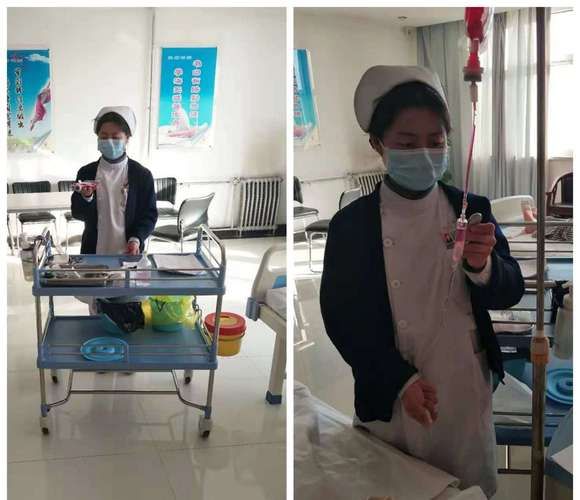
C. Correct calibration of blood extraction
D. Specimen quality compliance and collection correct (correct answer)
6. With regard to plasma, the correct description is (*)
A. Plasma refers to the liquid part of the blood
B. Plasma is made up of water and soluble components (correct answer)
C. The main proteins of plasma are proteins, immunoglobins and various coagulation factors
D. Clinical plasma transfusions are mainly intended to supplement blood capacity and protein
7. The following statements are correct (*)
A. Blood collections at blood stations are normally 200 ml per blood collection, up to a maximum of 400 ml (correct answer)
B. No less than six months between blood stations and blood donors
C. Blood required to be approved by the medical service should be 1,200 ml
D. Blood use required to be approved by medical services should be 1600 ml (correct answer)
8. The description of maternal haemorrhage is correct (*)
A. Hemorrhage limited to uterus and adjacent areas (correct answer)
B. A high degree of acute haemorrhaging is common
C. Removal of haemorrhagic causes and rapid improvement of conditions (correct answer)
D. Hemorrhages easily combined with dic
Time requirement for blood transfusions (*)
A. Full blood/red cell, starting in 30 minutes, and room temperature in less than 4 hours needs to end in a shorter time (right answer)
B. Blood plate immediately lost. End in 20 minutes
C. Plasma, cold deposition starts in 30 minutes, ends in 20 minutes
D. All blood/red cells immediately lost, ending in 30 minutes
10. Records of blood transfusions (*)
A. Date and time of blood transfusion, beginning and ending (right answer)
B. Number of bloods and their ingredients, volume of the infusions (right answer)
C. Blood product number, haemorrhagic failure (correct answer)
D. Signature of blood transfusion (correct answer)
11. Care in case of loss (*)
A. Physiosaline before and after blood transfusions