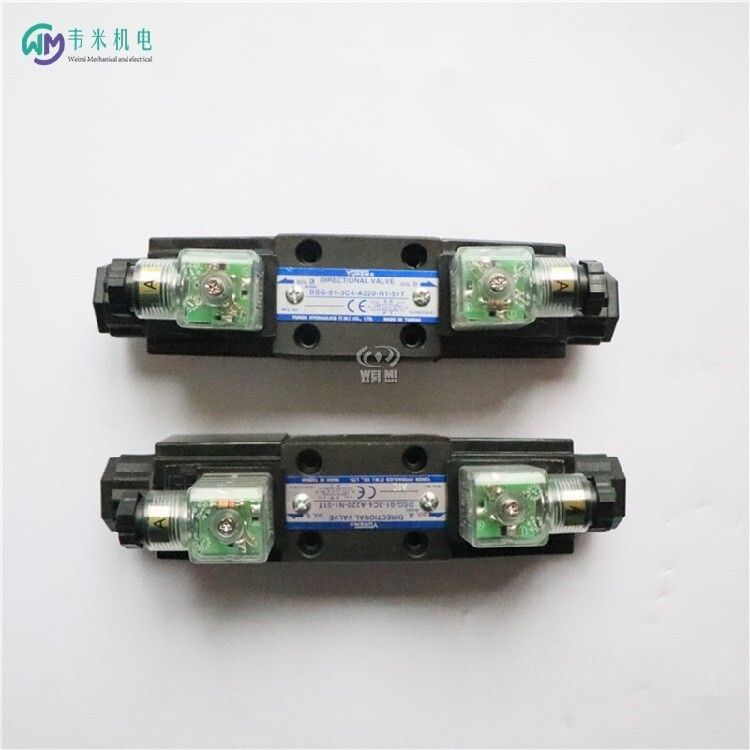
Hydraulic valves, direction control valves, pressure control valves, meteor control valves, direction control valves, direction control valves, direction control valves, direction of flow of fluid, or disruption of flow of fluid in hydraulic systems
One-way valves switching to two-way hydraulic locks of valves, two-way single-direction valves, and the working principle of switching valves using the relative movement of valve cores and valves to enable the direction of the oil flow to be connected, shut down or converted, thus achieving the direction of the hydraulic execution element and its driving agency
Classification
By operation: manual switching valves, motor switching valves (also known as process valves), electromagnetic switching valves, liquid switching valves and electron switching valves, etc
The position in the valve at the time of core work and the number of routes controlled by the valve are different: bit-to-be, two-to-three-to-valve, two-to-four-to-valve, three four-to-valve, etc
Distinction by installation of valves: tube (also known as screwdrivers) to valves, plate to valves, french to valves, etc
Subtract by valve structure: number of graphical grids for slide valves, rotor valves and cone valves, etc
The number of “bits”, three or three arrows, means that the two roads are connected, but it does not mean a flow. This means that the gas road is not working. In squares, the number of points between arrows or "signs and squares" is the road to oil。
S-bsg-10v-2b3b-d24-51
S-bg-06-l-40t
Efbg-03-125-h-20t
S-bg-03-l-40
Erbg-06-h-5111
Bg-03-32t
Efbg-06-500-c-5120
The effect of the failure of the hydraulic valve on the entire hydraulic system is based today on a brief summary of the reasons for the failure of the hydraulic valve, based on the concentration of common phenomena of the failure of the hydraulic valve, which is expected to provide some reference。
(1) wear and tear: the motion side of mechanical parts such as hydraulic valve cores, valves, valves, etc. Are used in a manner that results in frictions that change the shape and surface mass of the parts。
(2) wearyness: working under a long-term variable load, the springs in a hydraulic valve can be made softer by fatigue, the spring length of the springs may be shortened or the whole fracture broken; the cores of the valves and valves may also cause cracks, stripping or other damage by fatigue. All of this may invalidate the valve。
(3) deformation: when the residual stress of the hydraulic valve component during processing and the external load stress during use exceeds the yield strength of the component material, the component is deformed and cannot function properly and is ineffective。
(4) corrosion: hydraulic fluids mixed with excessive moisture or acid, which, after long use, corrosives the relevant parts of the hydraulic valves, rendering them ineffective by loss of their desired precision。
When the pressure fluid flowes through the hydraulic valve column slider structure, the effect of the directional imbalance on the core of the valve binds the core, known as “the hydraulic pressure card”。
Hydraulic systems, by rapidly shifting or closing the pipelines, suddenly divert or stop the flow of fluids flowing within the system, causing a sharp rise in pressure, resulting in a large pressure peak, i. E. A hydraulic shock。
In the hydraulic system, bubbles are created by the pressure of the bow, which changes the current speed of the liquid, and are called “air vents”. The performance and reliability of the hydraulic system has deteriorated as a result of vents and corrosion。
In summary, the mechanical failure of hydraulic valves, in addition to process manufacturing factors, is mainly management-related and therefore should not wait until the hydraulic system is not working properly. More prognosis, pre-treatment and elimination of equipment malfunctions resulting from the failure of hydraulic valves in embryonic states。
S-bg-06-l-40
S-bg-06-r-40
S-bg-06-v-l-40
S-bg-06-v-r-40
S-bsg-03-2b3b-d24-n1-51
S-bsg-03-2b3b-d24-n1-l-51
S-dsg-03-2b2-d24-c-n1-50
Analysis of the reasons for the pressure on the server
In the near future, some clients have shown why the hydraulic press is sometimes under stress, and today shanghai weimi explains the reasons。
(1) common sense error. For example, tank oils are insufficient, hydraulic fluids are replaced, three-phase voltage is connected and the pressure valves are not adjusted. This usually occurs in the initial use of servers。
(2) oil spill. Check if there are any visible signs of oil spills on the surface of the machine. If not, the piston seal is broken. It can remove the cylinder and replace the oil seal。
(3) inadequate motivation. It usually occurs on old machines, either with an aging of electrical motives, or with a loss of pumps. The ageing of electric motors is less common, because if it is an ageing problem, the voice of the server is very high, as it does not bring much momentum. You can put your hand in the pipeline, and if the machine is strong, the pump will be fine, and vice versa。
(4) the valve is blocked and the hydraulic valve is broken. The springs cannot be reset on the springs, causing pressure to be lost and cleaning if the manual switch valve is removed。
(5) it is also possible that the pressure table of the server is broken。
S-bsg-06-2b3a-d24-n1-52t
S-bsg-03-2b3a-a110-n1-l51
S-dsg-01-2b2-r110-50
S-dsg-01-2b2-d24-50