The original, the captain, wang qian, the hydraulic thief ship
One-way valves: a single-way “hydrate gatekeeper”
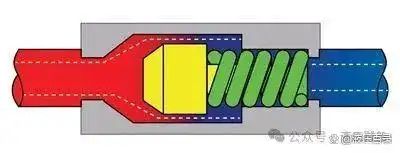
One-way valves are one of the simplest structural components in a hydraulic system whose core function is to allow the free flow of fluids in a single direction while blocking the reverse flow. In addition to direction control, it may also be used as a pressure control element。
Motion diagram:
It's moving
The fluid flowed from the left interface and then from the right interface after the stop valve。
Reverse block
When the right pressure is equal to or higher than the left, the valve cores are closed to prevent reverse flow of fluid。
Ii. Typical application scenarios for one-way valves
“safeguard” downstream of hydraulic pumps
Installation location: near the hydraulic pump exit。
Spring pressure characteristics: usually 1-5 pounds/square inches (psi), often omitted from the symbol。
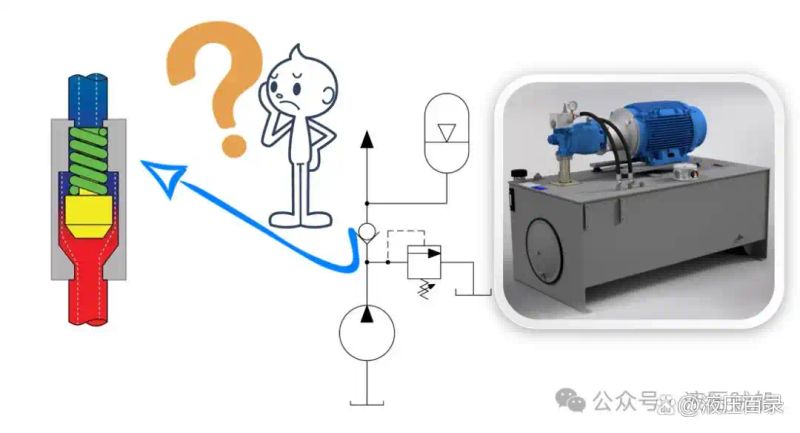
Core role: as a “pump separation one-way valve”, four main functions are achieved:
(1) interception of pressure shocks
When the system suddenly ceases (e. G., when the switch to the valve is out of power or when the flow of the hydraulic tank is terminated), the flow of the fluid drops sharply from 5 ~10 m/s to zero, and the pipe pressure is likely to rise by a factor of 2 ~3 in an instant. One-way valves are rapidly closed to prevent high-pressure shocks from being reversed to the pump body。
Actual cases:
Four hydraulic pumps were replaced by a plywood plant over a week, as the pump shell was fractured. The loss of the inner pistons and springs of the stop valve was eventually detected, resulting in the direct destruction of the pump body by the pressure shock. The failure of a one-way valve valued at $150 resulted in the replacement cost of a pump of $15,000 and a cut-off of $50,000。
(2) prevent the flow of pipe fluids
When the system is shut down, a one-way valve can prevent the flow of fluids back into the tank if the pump is installed at a lower position than the valve, hydraulic tank, etc., and avoid a vacuum in the pipeline and prevent external air from mixing into the system through seals (additional exhausts are required when restarting)。
(3) insistor reverse shock
If the system is equipped with an energy collector (pump downstream), the high-pressure oil in the shut-off will attempt to reverse the drive pump. A one-way valve can block the return flow and avoid the reverse rotation of the pump axis or the electric power。
Small detection techniques: observe the rotation of pump axes or electric fans and quickly determine whether the valve is in good seal。
(4) multi-pump system protection against streams
In the system of the main pump + back-up pump mix, single-way valves for each pump can prevent the flow of fluid from running the pump to the back-up pump to prevent the reverse rotation of the back-up pump leading to seal damage。
Actual cases:
The back-up pump seals of the chemical scrubber drive system at a paper factory were frequently damaged and it was found that the one-way valve of the shell-excavated pipeline had died as a result of the shutdown, resulting in the impregnable discharge of the fluid inside the pump shell and pressure to break the seal。
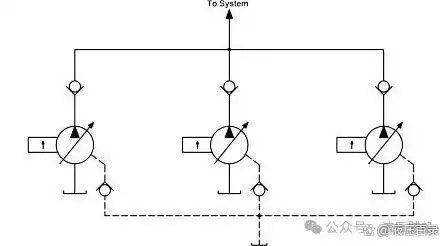
I don't know why i put a back-pressure valve on the pipeline
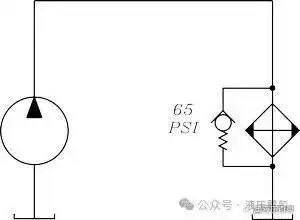
2. “protection of god” for heaters
The spring pressure is usually set at 65-100 psi:
Cold oil protection
The low temperature of the oil leads to excess pressure at the cooler entrance, the stop valve is activated, the fluid bypass cooler is avoided, and the heater is damaged by high pressure。
Pollution protection
If the air cooler tube is clogged, the stop valve will prevent a surge in the pipe pressure。
Field cases:
In debugging the equipment, a sawmill participant discovered that the one-way cooler protection valve indicated in the doctrine chart had been removed and the pipe blocked. The plant changed the cooler just a week ago because the tube broke down -- it was the lack of a one-way valve that caused the pollution congestion to cause the high pressure to penetrate the tube。
Iii. Maintenance and troubleshooting points
(1) precedence of rationale
The design function of the stop valve in the system (e. G. Quarantine, pressure, shock resistance, etc.) must be understood before overhauling。
(2) small pieces
Avoid neglect of detection due to "simplistic components" and focus on examination of such issues as valve core weight, spring failure, seal wear and tear。
(3) system-based thinking
When pumps, valves, performance elements are frequently malfunctioning, the normal operation of the upstream stop valves is to be traced。
Concluding remarks
A one-way valve, though small, plays the role of "four or two kilos" in a hydraulic system. From the protection of pumps to the stable operation of systems, from cost control to continuity of production, there is no substitute function. It is hoped that this paper will help practitioners of hydraulic systems to focus more on this “small element” and avoid small-scale production accidents through proper maintenance and design。
Training announcement for hydraulic technology camp
(8-person shifts)
My friends in the water industry:
The hydraulic technology camp, hosted by the shanghai association of hydraulic air-container industries and hosted by the litility union college, is open to public enrolment
At a time when industrial technologies are developing at a rapid pace, hydraulic technology, which is the key underpinning of modern mechanical equipment, is expanding its application. In the hydraulic industry, mastery of core technology means not only the availability of professional skills to solve business problems, but also the equivalent of having a high-paying ticket. Training arrangements and related circulars have been issued to assist a wide range of hydraulic technology lovers and practitioners in upgrading technical capabilities and breaking technological bottlenecks, as follows:
I. Operational orientation and valuable experience
The course not only imparts theoretical knowledge, but also focuses more on practice. The participants will disassembly and assemble hydraulic components hand in hand and debug the full hydraulic system by simulation. Accumulating experience in the field and responding to the challenges in the field。
Ii. Specialized teachers, escorts
The instructors are senior experts in the industry and have many years of experience in hydraulic technology development and application. Not only do they have deep theoretical knowledge but they are more familiar with the real needs of the hydraulic industry. In the course of teaching, the mentors will provide one-on-one guidance to answer every question you ask and to ensure that you understand and use it。
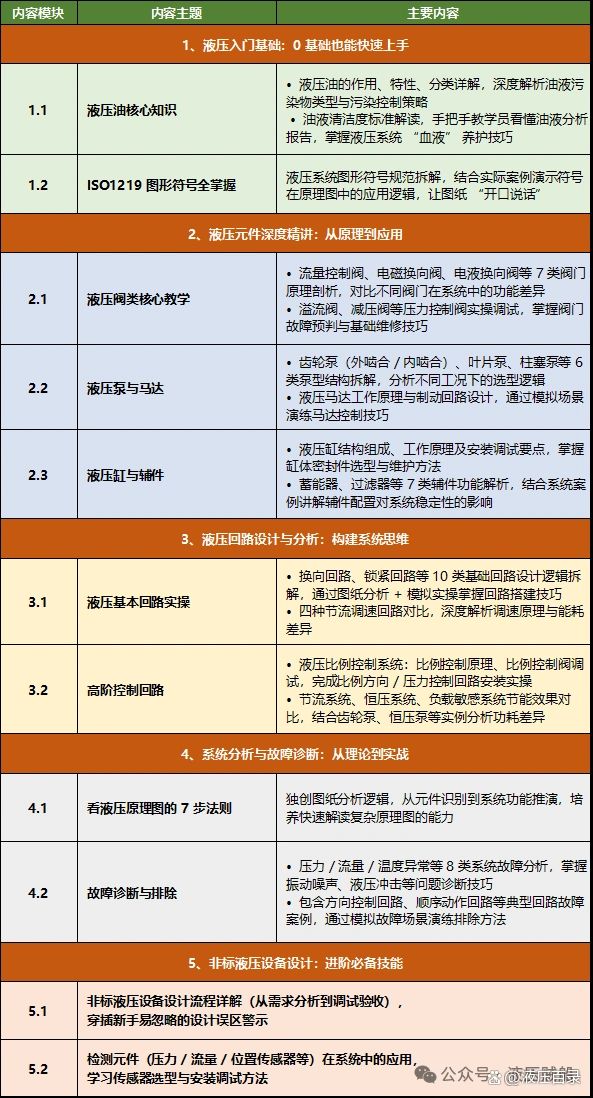
Iii. System outline, with full knowledge coverage
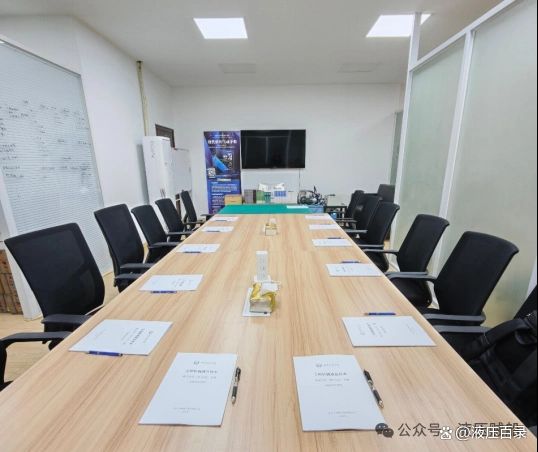
· on-site training and teaching equipment:
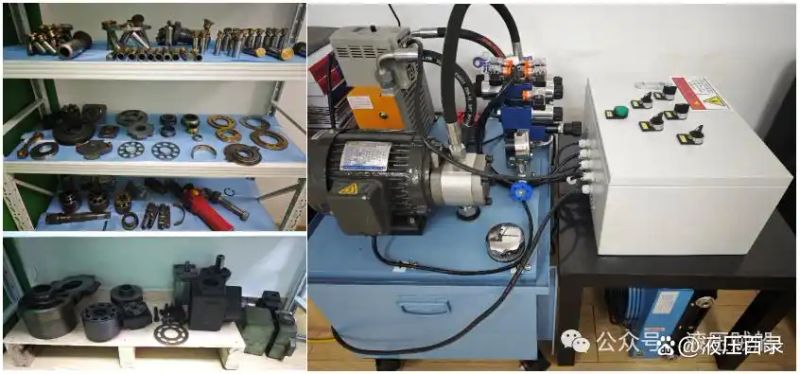
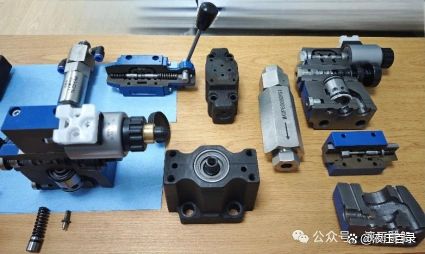
Time, location and cost of training
Training: 29 june-2007, 4 days, 9-17:00。
Place of training: shanghai association of hydraulic air-consorture industries, 2230 ju road, quino division, shanghai city。
Training costs: $3980/person, including lecturer fees, materials, lunch. Accommodation transport is self-supporting。
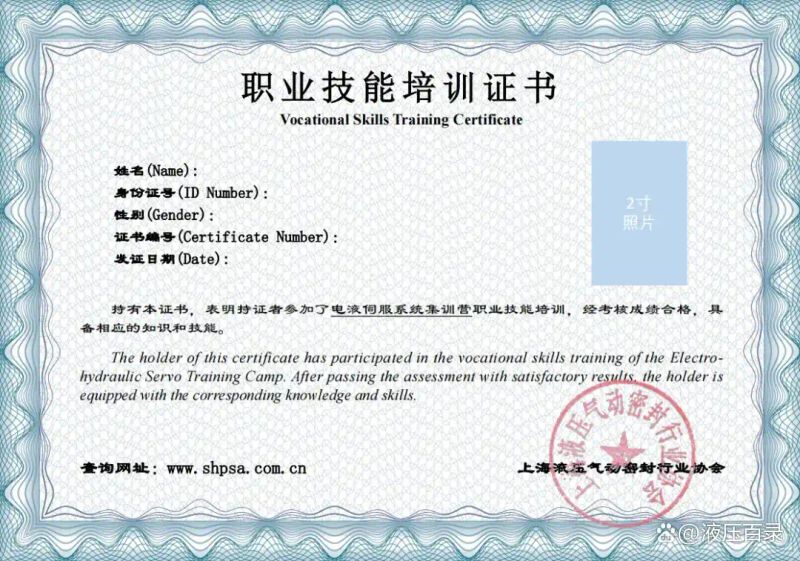
This training camp is run by the shanghai association of hydraulic air-consorture industries. This certificate is not only a strong testimony of your knowledge and skills, but also an authoritative endorsement of your professionalism in the hydraulic sector, adding light to your career path。
Www. Ihydrostatics. Com