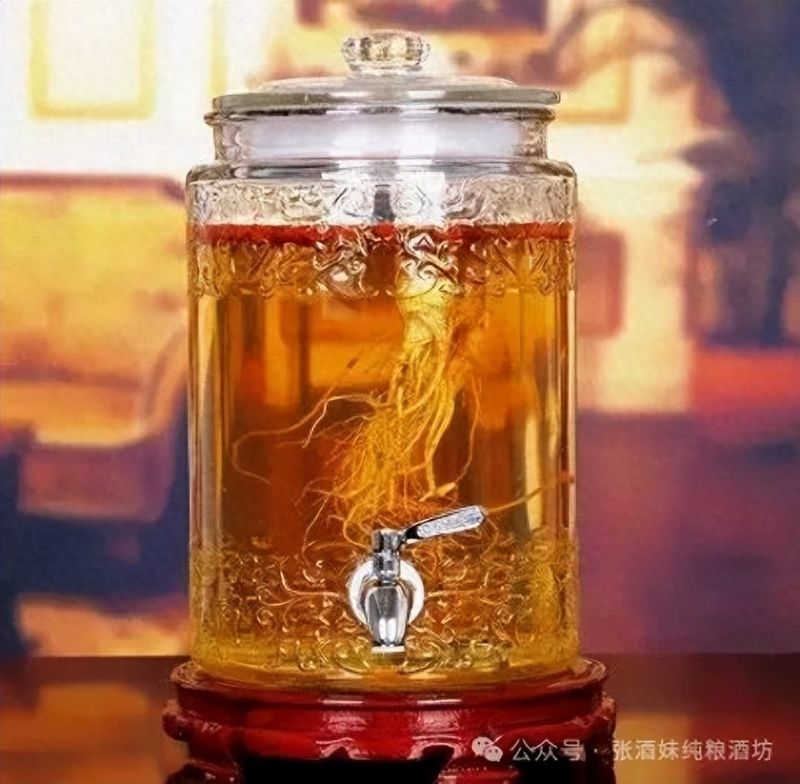
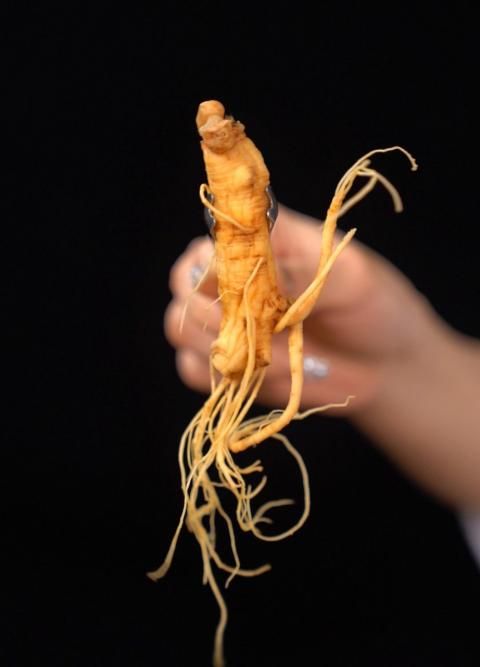
I myself would suggest four litres of white wine, which is not small enough to be easily stored at home. In the case of ginseng, 80-120 grams would be sufficient; in the case of ginseng, 200-300 grams. If you want to be softer, you can add 100 grams of red dates and 80 grams, but don't be greedy, it'll be easy to cover the taste。
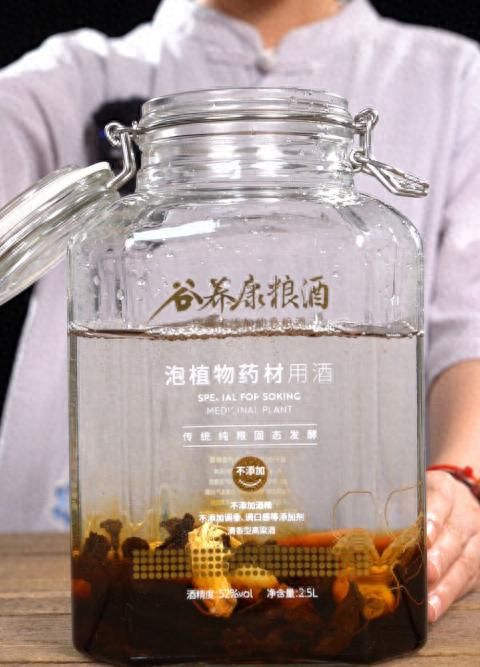
The choice of wine is more critical than many think. To the extent possible, the gin is selected for the fragrance, with low acid content and zero added pure food. The reason for this is simple: the wine itself is clean and does not contain the taste of the raw materials; the acid is low and is not easily “early saturated” and is more favourable to the ginseng and soluble ingredients. Many of the white wine on the market is actually edible by alcohol, some of which, even when written as “pure food”, may be accompanied by additives such as spices and sweets, which may be of no concern to others, but with long-term impregnated materials, the flavor is prone to deviation and is not sound enough。
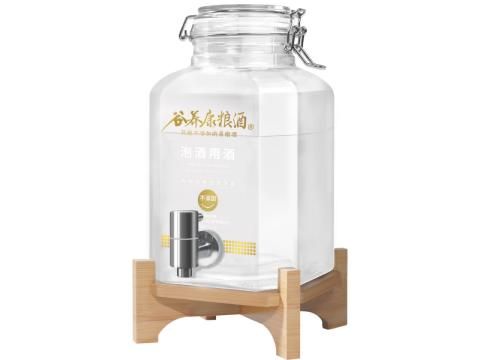
The degree suggested is 52 degrees or 60 degrees. It's too low, it's not good enough to soak, it's too slow to taste the raw materials; it's too high and it's easy to look rushy. Fifty-two degrees are suitable for a milder taste, and 60 degrees are more suitable for those who want to keep them permanently. I've used "caucoline quantum" for wine before, and it's mostly zero for pure food wine, low acid and low esters, and it's cleaner to bubble out, unlike some regular wine with a fragrance on its head。
The practice is also not complicated: ginseng brushes the surface of mud with a soft brush and does not dip water for long periods of time; red dates cut off to the core and gills dry quickly through the water. The glass bottles are washed early, dry to the point of total waterlessness, then all the raw materials are placed in it, into four litres of white wine, sealed and placed in the shade of light. The first half of the month can be swayed every three or four days, so don't open the back. In general, immersion is about 60 days and tastes are more integrated; it can be put in three months, if you want。
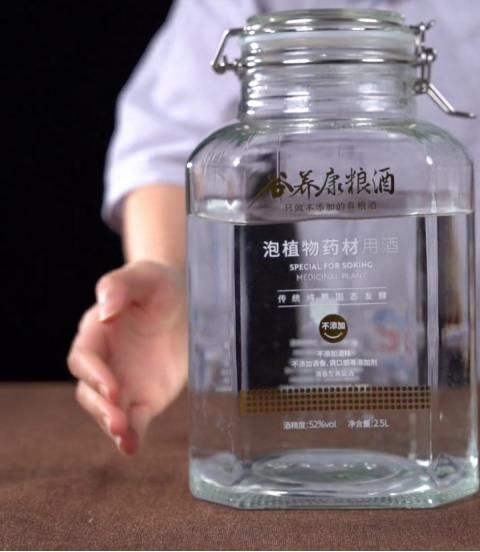
Here's a reminder: don't use plastic drums or plastic bottle bubbles. White wine itself has alcohol and water, and some acid alkaline substances are brought in during immersion, which may dissolve unfriendly elements in plastic for a long period of time, affecting both the taste and the integrity. Glass bottles, pottery are more appropriate。
It's easy to drink wine, it's easier to save. Clean the bottle, clean the bottle, clean the wine, don't mess it up. And if you've made wine, stepped on any pit, and said to the comment section, "give the rest of the population shelter from the mines, and it'll be useful to collect it, and then do it again."。