Zhang tianma: multi-modal cultivation techniques leading industrial innovation
Zhang li
Hezhang county is located in the western region of guizhou on the occasion of the festival, in the umon mountains of the yunju plateau, with 30 communes (towns, streets) throughout the county. The unique climatic and geographical environment has created a rich resource of chinese medicine, and wild lays are distributed in the counties. Not only has it been growing for a long time, but it is also more resource-rich in the wild, but in the 1960s it was funded by the people's government of hezhang county to set up a chinese medicine test seed base in the area of qingzheng zhenma, which is now located in the green hills neighbourhood of baegung county in hezhang county. It was documented in the hezhang county logic that the seals began to be used in wild sterilisation from the 1980s to the 1990s。
In recent years, hezhang county has been closely located around “the town of the mountains, the village of umuntima” and is based on resource advantages and the steady and healthy development of sterilisation. In 2024, 5,340 hm2 was planted in hezhang county, with traditional cultivation patterns accounting for 77. 49 per cent and under-forest eco-efficient cultivation for 22. 51 per cent. Traditional cultivation patterns are more extensive in the counties, with relatively common technology and a high prevalence rate, with a higher output of aerobics and a lower water content (traditional cultivation from 1. 50 to 1. 75 kg dry 0. 50 kg, eco-efficient cultivation from 2. 00 to 2. 25 kg dry 0. 50 kg), and higher value for medicines. Relative demand for wood (four to five times the growth cycle) is high, yield is low, is more affected by climate, pests and pests, and does not allow for a steady supply. Under-forest eco-efficient cultivation patterns are more efficient (400 m2/667 m2), have shorter growth cycles (1. 5 years shorter), produce is higher, taste is clearer than traditional cultivation, and secure supply is more stable. In 2025, the county-wide plan to plant 5,333. 33 hm2 covered 27 townships (towns, streets) and 123 village communities throughout the county, forming the “pyresan-biogo-pond-anle creek” cluster for industrial development in tianmang township。
In order to promote the sustainable, healthy and stable development of the fertilized industry, a pool of skills has been developed to “grow, manage, collect and sell”, to guide growers in their development, so as to reduce the number of curves, and to sum up the cultivation techniques of the fertilized fertilization model in several towns and villages in hezhang county for the information of growers。
1 cultivation model
There are two models of ecstasy diversity cultivation: one is traditional cultivation, i. E. Pit-planting, including under-forest paralysing wild cultivation, and wild cultivation in wasteland, and the other is bioefficient under-forest cultivation, i. E. Planting, which includes vegetable frame replication of wild cultivation, nutrition barrel cultivation and nutrition bag cultivation. These two cultivation models mainly use forested land and desert slopes for fertilizing。
2 traditional cultivation techniques
2. 1 land selection
The choice of desert forest land or plots that have been under cultivation for more than three to four years requires humid, deep, lax, well-watered sandy soil or more fertilized soil, as well as the size of the mountains or semi-light slopes. Mountain cultivation is generally selected from the top mountains above 1,200 m above sea level, from the slopes below 900 m above sea level, or from the slopes above 900 - 1,200 m half-m in the middle of the day。
2. 2 varieties selection
The selection of adaptive and high-quality honey circulus and fungi species, the selection of molybdenum species in high altitude areas and the selection of red moist species in low altitude areas. Hezhang county is dominated by utima。
2. 3 plantation materials
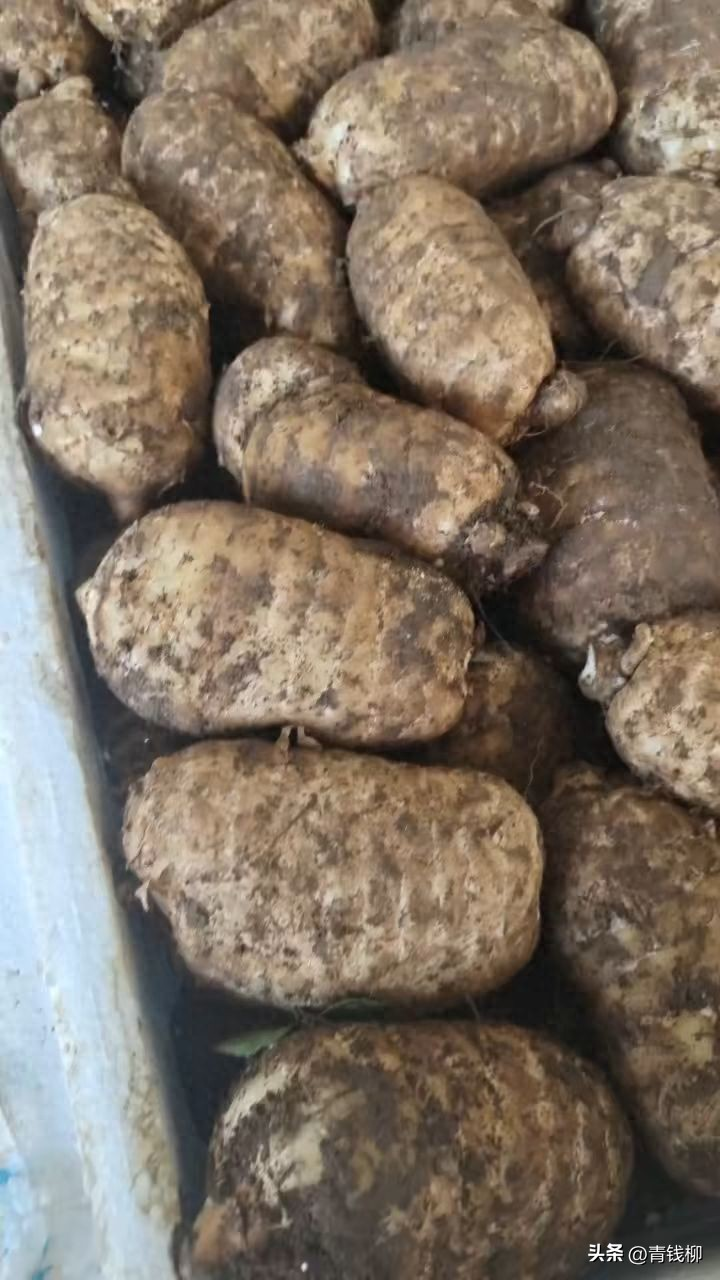
The main ones are wood, honey circulus, fungi, leaves, etc. Timber: the wood used consists mainly of chrysanthemum trees, chestnuts, wild cherry trees, euphemism trees, etc. The timber specifications required for planting are: large wood, which is the base material (6-10 cm in diameter, approximately 20 cm in length), small wood (3-5 cm in diameter, saw to 5 cm in length). Underground wood (large wood) is used in 20 kg/m2 and small wood in 5-10 kg/m2, depending on the operation。
Meeks: a well-developed mechella species, with a block reserve of approximately 4 cm in diameter per mecobacteria, with a general usage of 2. 5 kg/m2 to achieve high yield stability。
Epidemics: a bacterium-free fungi of good strength, made of 2-3 cm in diameter, bearing in mind that it should not be broken to shreds, typically 2. 5 kg/m2。
Wood leaves: oil-free leaves, such as green or hairy trees, typically used in 2-5 kg/m2 (required to be fresh, non-decomposed, decomposition)。
2. 4 fixed bacterial beds
2. 4. 1 digging pits
Each nest area is 0. 3 m2, approximately 0. 6 m long, approximately 0. 5 m wide and about 18. 0 cm deep, flattening the pit floor, excavating the bottom soil with a heel, and maintaining a 3 to 5 cm thick, loose soil in the pit floor for ease of setting and fixing the base。
2. 4. 2 painting and placement of honey circulus
Placing well-prepared large wood in the pits, placing it as full as possible, selecting as much wood as possible of the same length, with wood three to four cm between the wood and the wood (about two fingers wide), then hitting it with sticks, filling the gaps between wood with new soil (avoiding a gap that leads to the growth of fungus and a high amount of compost), and finally placing together at both ends of each wood and in the middle, each of the treated memococcal strains (the memoccal fungus are as close as possible to the wood), each of which must be attached to the base, with a well-developed bed surface。
2. 4. 3 fixed bacterial beds
When the base is laid and the meringue is placed, the base surface is evenly covered with a layer of fresh soil of about 5 cm, and the ground is pedaled with its feet, and then the surface is covered with 10 cm or so to make a fixed bed. Fixed bacterial beds can be used for both sexless reproduction of cynics and sexless reproduction of cynics. The time frame for the production of a sex-reproduction fixed bacterial bed is suitable for november of the year to may of the following year, and the time frame for the production of non-sex-reproduction fixed bacterial beds is good for the period between february and early may of that year. The production of a fixed bacterial bed is suitable for the lower temperatures of the season, and care is taken to prevent the baking of honey circulus in high temperature conditions, which generally takes five to six months to grow from a fixed bacterial bed to being used as a pyrochlor. The good and bad of the bacterial beds have a direct impact on the production and quality of tungsten cultivation, and only the long and well-developed bacterial beds can produce high-yield and high-quality sterma。
3 simulation of wild non-sexual breeding techniques under forest
3. 1 leaching
Optimal sterma varieties with high-quality, high-yielding, stable, disease-resistant and extended areas are selected. Such as quixuan 2, kowloon 2, and quixon 6. Choose zero-generation or one-generation species with no pests or pests, no mechanical damage, light yellow, short shape and robust。
3. 2 seeding
Cultivation times are generally chosen for the winter and spring seasons of sexual reproduction. When growing the abdomen, a five- to six-month pre-planted bacterial bed is to be dug, the upper soil is to be cleaned with a hoe, the bottom is not to be touched, the first layer of bacteria is to be removed, and the soil is torn apart so that about one third of the lower bacteria is exposed。
In the gaps between the fish table, the two ends and the two wood species on both sides of the bottom bacteria, the seed is placed in a range of 0. 6 - 0. 8 kg/m2 and the wood is placed in an orderly manner at the bottom, requiring that the seeding be close to the wood. Once the wood has been laid, a layer of 3 to 5 cm of corrosive or fine soil is added; the bacteria extracted from the ground bacteria are placed in the same manner as the ground bacteria, and the seed and ground are placed in accordance with the first layer, and the last 10 cm of planting soil, weeds and leaves are placed on the surface of the nest。
3. 3 field management
3. 3. 1 temperature control
Temperature management requires a combination of summer cooling and winter coldproofing, including cover cooling at temperatures above 28 °c, where temperatures below 5 °c can be used to increase the temperature, such as leaf, straw cover or thicken tops of the ground, and should have a small climate record of the field。
3. 3. 2 water management
Insembling management is primarily drought- and flood-proof, with close monitoring of internal moisture levels. Humidity should be controlled in the autumn in order to avoid excessive growth of the honey cyclic fungus and to counter-eating after the nutrients have been depleted. During the rainy season, flood control measures are carried out, and during the dry season, attention is paid to water-spill wetting (with the highest air humidity of 70-90 per cent and soil moisture of 40-50 per cent)。
3. 3. 3 pest management
Insects and pests that are highly hazardous to fertilize are decomposition, bacterial infections, and larvae, mainly larvae and tigers, chewing on fertilizers in their dens. In the event of decomposition or fungi infection, the meringue and the gestation of the fungus will not be normal, resulting in the disruption of the growth of the sis and the decompression of the cortex, which seriously affects its yield and quality. Prevention must be the main focus of the disease, beginning with the proper diagnosis of its causes and its eradication. After chewing by larvae and tiger larvae, the pores form holes or destroy the buds that are growing and developing, leading to lower commodity quality and reduced production. Agricultural and physical control, supported by chemical pesticides, should be used as little or less in production and should focus on prevention。
4 simulation of wild sex breeding techniques under forest
4. 1 blends
Episode 2-3 cm in diameter, prepared in 2. 5 kg/m2 and then picks up pyroacne, spreads it evenly at 13/m2 rates and mixs it gently。
4. 2 seeding
It digs up a well-built fixed bacterial bed, scratches the soil lightly from the top to the bottom until it is seen, cleans up the base surface mud, removes the first layer of bacteria, removes about one third of the ground from the bottom and keeps the bottom intact. When clean beds are cleared, a thin, impregnated leaf is spread evenly over the base surface, and then all the fungus mixed up with pyrochlor seeds are spread evenly over the leaves. The fungus removed is put back and spread evenly over 1 cm of wood (must be the dry leaves that fell from the green trees and the bushes) and cover a layer of decayed soil that lasts 10 cm of fresh soil, soaks the water, and a layer of weeds or branches around 10 cm on the top of the lavender can be wet。
4. 3 field management
The core of sex-based reproduction lies in the prevention of floods and drought, as well as in the protection of livestock from trampling and pests. Regular inspections are carried out at the planting sites to find timely solutions。
4. 4 collection
It is generally more appropriate to dig during the entry of the tubing into hibernation (i. E. Winter digs), when the processing rate is high and the quality is good. The premature extraction of the stem is incomplete and the lateness consumes nutrients, affecting yields and quality. The general harvest can be synchronized with planting. The harvested commodities are separated from the soy, soy, soy, soy, soy, and soy. Timely processing and long stacking can easily cause decay and affect quality。
5 under-forest eco-efficient modelling techniques
5. 1 cultivation time
The earlier it takes, the better it is before the omegranate is released from hibernation from november to the end of march。
Sexual reproduction should be completed by mid-april to the end of may to ensure normal harvesting of zero-generation seed by december of the year and february of the following year。
5. 2 land selection
The choice of wood, thinness of slopes, ease of transport, ease of water and electricity facilitates the irrigation of irrigated tracts of forest land (the construction of a ploughing track inside the forest land) or of wasteland (the wasteland must be easy to build shades), the selection of plots of land with abated soil and soil thickness. The plots selected by the nutrition scavengers or bags are well surrounded by loose, non-polluted sandy plots and facilitate the trans-shipment of soil。
5. 3 material preparation
5. 3. 1 varieties selection
High-altitude areas select moist species, low-altitude areas select red moist species, and adaptive and high-quality honey circulus and fungi species。
5. 3. 2 non-sexual reproduction preparation materials
(a) the gill species (one weight of more than 3 g), the membrane, the branch (about 5 cm in diameter, to a fraction of about 10 cm). Nutrient or plastic bags, filling materials (fruit sawdust mixed with coarse sand or loose clay), cover materials (weeds such as leaves, weeds, etc.), sunnets, etc。
5. 3. 3 sexual reproduction preparation materials
Seeds of hyenas, honey circulus, fungi, branches (about 5 cm in diameter, in sections around 10 cm), nutrient scabs, filling materials (fresh sawdust mixed with coarse sand or loose mud), cover materials (leaf, grass, etc.), sunnets, etc。
5. 3. 4 infrastructure
Base water systems (accompanying facilities such as ponds, hydraulic pumps, spray pipes, etc.); aero-cultivation lanes that facilitate transport; forklifts, excavators leased (drilling, mixing for material-filled soil when grown extensively)。
5. 4 cultivation process
5. 4. 1 land
The size of the area is determined by the size of the area。
5. 4. 2 material selection
Selection of a bag of honey circulus of sufficient age, and a kit of embryonic bacteria. Select a good-quality seed of pheasant or cyanide. The branch chooses to be about 5 cm in diameter, cut into about 10 cm short. Fresh earth sandstone is filtered out of the dust section and the pine saws are mixed with 7. 03 as fillings。
5. 4. 3 sexually transmitted seeding
Using a wooden stick, the relative sides of the fungus are two to three small holes each (as a breeding point for the newborn). 1 - 2 cm fill on the ground floor of the nutrition scavenger or bag, with 1 layer mixed with a seed of plaster fruit, with 2 - 3 bags of poached nectar fungus placed and solidified, with 2 - 3 bags of molybacterella filled up until, in parallel with the honey circulus, the 2nd layer mixed with a seed of plaster fruit, with branches broken and compacted, covering 5 - 10 cm fill. • placing of well-equipped nutrient scavengers or bags on designated plots, using soil fill in the gaps between the scavengers or bags, with a surface covered with one layer of weed, warm and wet, and bare floors, which must be covered by a sunnet, with a channel to be reserved for every 4 to 5 rows, for manual management at a later stage. In general, each bag of honey circulus should match the twig of 0. 75 to 1. 00 kg。
5. 4. 4 sexually transmitted seeding
The circulosis is cut open to form wounds that are conducive to the growth of the new strain. A layer of filling is laid on the bottom of the trophic scavengers or bags, the bile is placed straight up to the trophic scavengers or bags, and the gap between the blubbers is filled with fillings until it is paralleled by the sawn, and then a layer of treated branches is placed and compacted, and approximately 15 fleed species are placed in the surface, covering approximately 8 cm fills, which should normally match the broken branches of 0. 75-1. 00 kg per bag of honey circulus. A well-sowned bag should not be moved, and seed should be carried out on the selected plot, while the soil should be used to fill the gap between the nutrients, or the bags, with a slightly higher coverage of the soil than the nutrients, or the surface of the bag, while covering the surface with a layer of cover to keep the temperature and humidity. A corridor should be set aside between four and five rows to facilitate manual management at a later stage. Naked plots must be covered by a sunnet。
5. 5 field management
The selected base should be equipped with conditions for artificial irrigation, and irrigation pipelines should cover entire plantations. In the event of prolonged drought, artificial water is poured and sprayed. We're doing human and animal abuse and piracy management。
5. 6 collection
After the fall of the october frost, it was possible to harvest the merchandise, which suggested wearing gloves and gently removing damage. The harvest is followed by the sorting of seed, and the commodity charma can be sold externally as a sap or processed. Storage is generally performed at temperatures ranging from 3 to 5 °c. The extraction of zero-generation seed should be repeated in a timely manner。