


Cherry growing environment and species selection
Cherry, the fruit of the leafed cherries, is a ripe fruit in the tree of the leaves lying in the northern part of the country, closely following the chinese cherries. It prefers a warm and well-lighted environment, but cannot withstand flooding, drought, wind and cold. Thus, the annual average temperature is above 10-13 degrees celsius, the early spring temperatures are stable, the summer is cool and dry, the rainfall is moderate, and areas with sufficient light are best suited for the growth of large cherries. Specifically, the semi-humid climate of the warm temperate east asian monsoon continent is the ideal growing environment for large cherries, where the annual temperature is moderate, with abundant rainfall and long frost-free periods, early in the final period, with an average annual temperature of about 12 degrees, with annual rainfall exceeding 700 millimetres, lasting about 250 days。
The varieties of big cherries are popular with red lights, morning fruit, early rubies, tamarind, pioneers, miyuri, italian early red (moli), friendship, samibun, rabins, etc. These excellent varieties, which are short-lived and early-outcome characteristics, are particularly suitable for garden and shed cultivation。
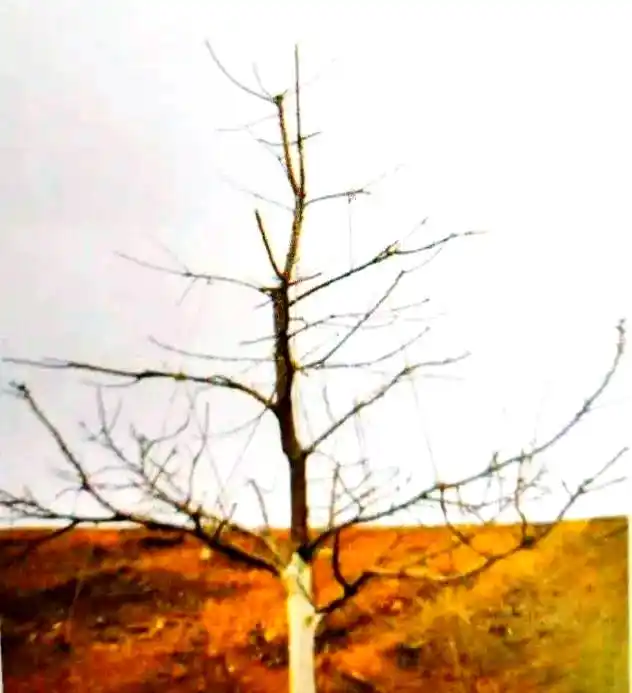
The plantation of the big cherry
Site selection and land consolidation: the site of the large cherry garden should be chosen on soil fertile, loose and water-friendly sandy border soil, while ensuring that the rainy season does not accumulate water and that the groundwater table is low. In addition, land blocks or slopes that are air-flowing, high terrain, backwinding and easy to transport are ideal options, even combining orchards with tourist destinations to improve economic efficiency. For flatland construction, there is a need to level up the high and low areas of the park and to undertake scientific planning in conjunction with the construction of field roads and canals. For mountainous areas, the level of the slope shall be between 1 and 2 metres, with a width of 3 metres, a leveled field and a low elevation of 30 cm each along the outer perimeter。
Varieties selection and planting density: good varieties of red, large hardness, durable storage, such as early rubies, early fruit, early italian red, red light and sami. The proportion of pollinating varieties should not be less than one quarter of the sliced cherries. Plantation densities are determined on the basis of standing conditions, and in areas where the land is well established and where the joed herring breeds are strong, planting densities are reasonably small, while in areas where the mountain orchard species are weak。
Cultivation periods and methods: cultivation periods usually take place in the middle of march and are close to gestation. Prior to planting, defined pits of approximately 1 metre in diameter and 80 to 100 centimetres in depth need to be dug and to be filled back into the pits with a certain amount of organic and compound fat, mixed with broken leaves, crop strewn, weeds, etc., mixed with the surrounding topsoil. The depth of the planting shall be determined by the depth of the tree when it comes out of the tree, and a plate shall be made around it for water. Upon watering, cover the membrane in time to maintain soil moisture。
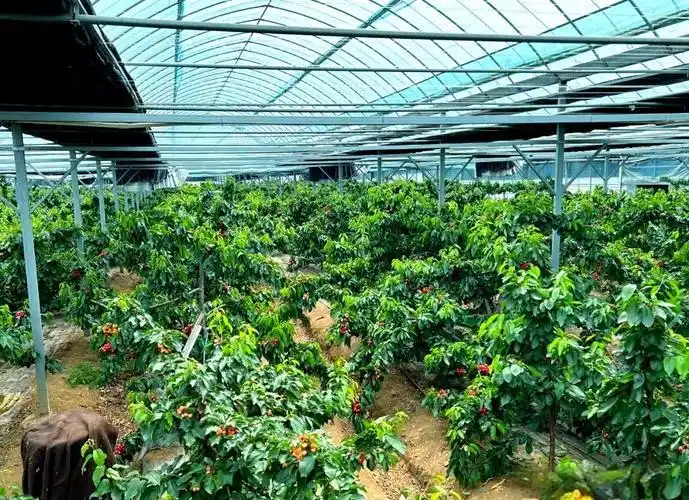
Land-based water management
Soil management measures: peaking is an important measure to improve soil structure. This is done by expansing, annually or in alternate years, from the edges of the plant to the depths of about 50 centimetres wide and 60 centimetres deep, until the depths between the two trees are connected. This process is usually combined with fertilization in the autumn and winter following the fall of leaves in order to take full advantage of the low-temperature conditions of the autumn and winter festivals and to promote soil fertilization. Cultivated pine soil is also an important part of the long-term soil management of the cherries. Inter-horticulture is an effective way of increasing soil fertility。
Reasonable fertilization: fertilization is one of the key components of cherry tree growth. During fertilization, the principle of rational fertilization should be followed and scientific fertilization should be based on the growth needs of the cherry tree and soil conditions. Base fat is dominated by organic fertilizers such as farm fats, pig and cow dung, and includes appropriate composite or phosphorous fertilizers and some known missing elements。
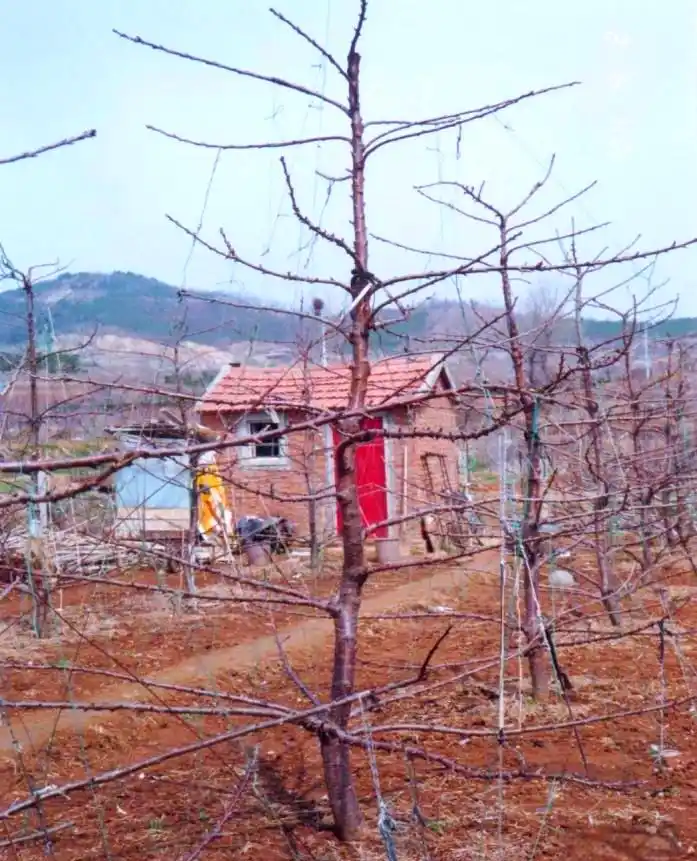
Drainage and drainage strategy: water irrigation is an important measure to ensure the water demand of cherry trees. The duration of the recharge should be based on soil conditions and usually include such critical periods as pre-flower water, hard core water, post-harvest water and frozen water. Water should be filled in a timely manner, and irrigation measures such as drip irrigation, seepage and microspray should be promoted. At the same time, when water is accumulated in orchards, canals are used in a timely manner for drainage in order to avoid adverse effects on the growth of cherry trees。
Orthopaedic shearing
Main tree formation: the hammer-shaped tree is a common type, characterized by a dry height of about 60 to 70 cm and an overall tree height of 2. 5 to 3 m. The hammer shape and the natural circular head form are the main tree, which is well-structured and luminous and suitable for the growth and development of the cherry tree。
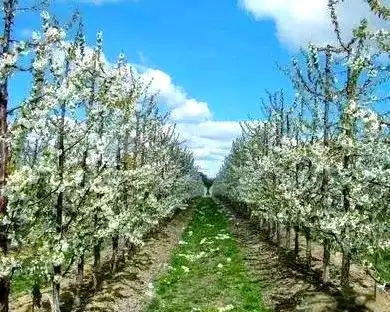
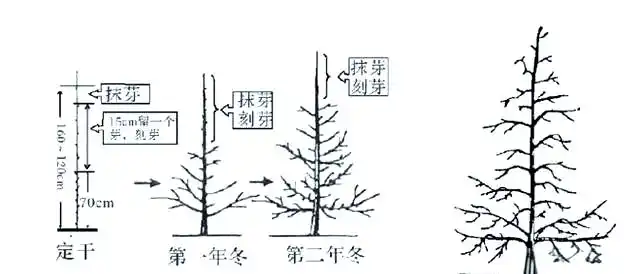
Cutting points and techniques: in the sprawl prototyping, the main techniques are sprouts, sprouts, openings of branches, twists and grafts. These techniques can effectively contribute to the robust growth of cherry branches and the quality of fruit formation. For example, at the centre, the buds of those parts that do not need branches are removed. In addition, the side branches are easily reinforced with little bamboo stickers and their angles adjusted to about 80 degrees to promote good growth patterns。
Through these key cutting techniques, the branch structure of the cherry tree can be reasonably regulated to ensure healthy growth and high productivity。
Flower fruit management and other agricultural measures
Flower fruit management methods: in the management of flowers, including frosting prevention, flower pollination, vermin, fibrous control, and bird disease prevention can effectively improve cherries' sit-in rate and fruit quality。
For example, frost can be prevented through early spring irrigation, one to two hours before the frost, and smoke. At the same time, pollination with bees or bees is used to spray acinin, urea, bovine or potassium dihydrohydrophosphate during and after flowering, etc., which helps to increase sitting rates。
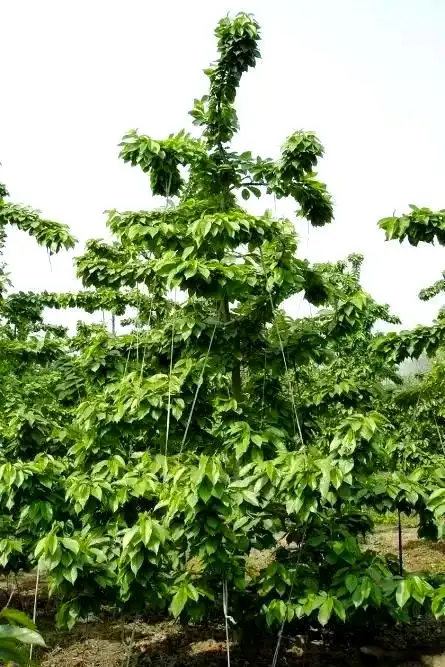
Other agricultural measures: agricultural measures such as reasonable orthopaedic and fertilisation can effectively improve the quality of cherry fruit, while maintaining ventilation and soil fertility in the garden by managing them in a manner appropriate to local conditions。
Pest and pest control: the pests of the large cherries are relatively light and can only be sprayed three to five times a year. Prior to the bud, 5 degrees of thiram were sprayed for integrated treatment. Between may and june, a further 500 times 70 per cent of the dysentery or 600 times more over 50 per cent of the fungus were sprayed. Vegetable trees with leachate can be treated with thiomers. The timely irrigation of k84 biopesticides is an effective control measure for orchards with severe cancer. At the same time, caterpillars and moths can be treated by spraying 2,000 times 20 per cent of the glycol. In the case of fruit trees with severe vermin, 800 times the death toll should be administered。



