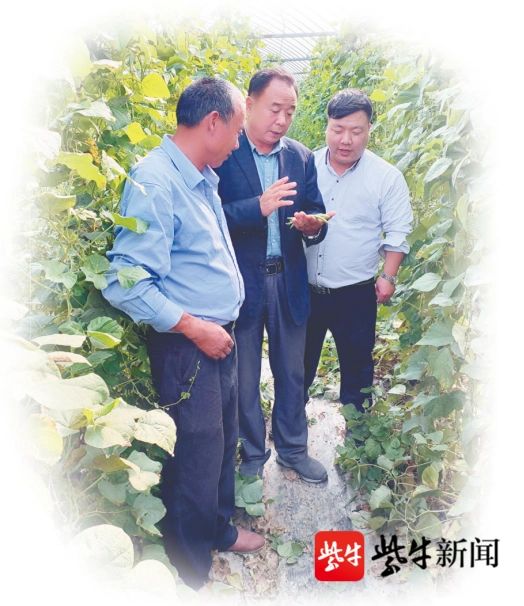
Celery, this fresh and delicious vegetable, is not only delicious but also nutritious. If you have the right methods and techniques to grow, you can easily harvest your own celery。
First is the field. Celery is suitable for growing in water fields or shallow ponds with abundant water sources, fertile soil and strong water protection. Soils are suitable for micro- acidity to neutrality, avoiding alkaline soil cultivation。
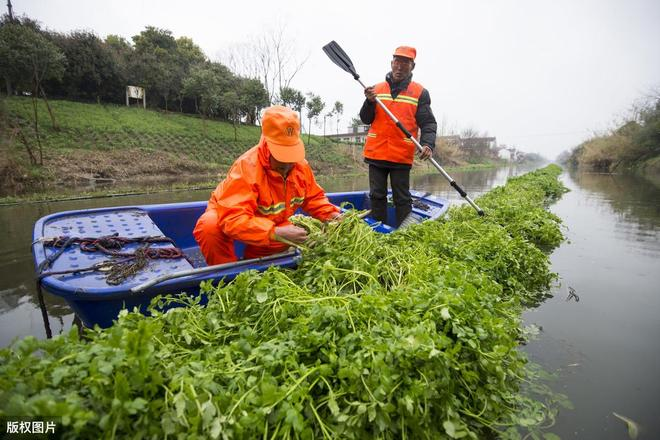
Cultivated celery can be grown by seed or by straw. Seed reproduction is relatively slow, and is generally done more often with troughs. Pick a healthy, insect-free celery straw and cut it to about 20 centimetres long。
Next is the choice of planting time. Celery is generally grown in spring or autumn. Spring planting is appropriate from march to april and autumn planting from september to october. Temperature and climatic conditions in both seasons are more appropriate for the growth of celery。
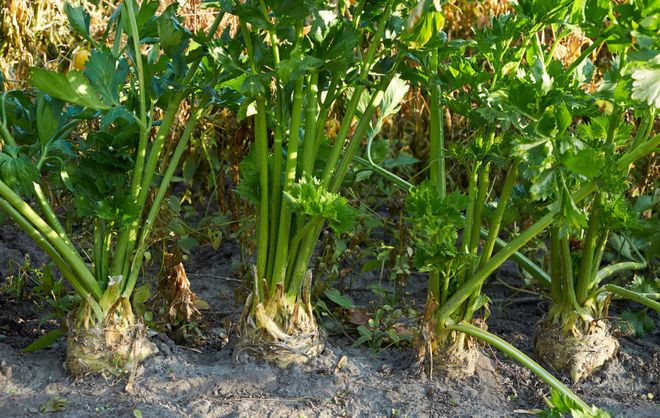
In water fields or ponds ready for planting, the ground is first cleaned. Soil tillage and weed and weed removal. It is then applied to base fat, mainly organic fat, such as decomposed farm fat, which is applied to 1,500 - 2,000 kilograms per acre and is spread evenly on the fields。
On planting, the ready stem segment is inserted into the soil at a density of 20 - 30 centimetres in length and 10 - 15 centimetres in length, at a depth of approximately 3 - 5 centimetres and with a bud up. Cultivated to keep the soil moist, the roots of the roots are fostered。
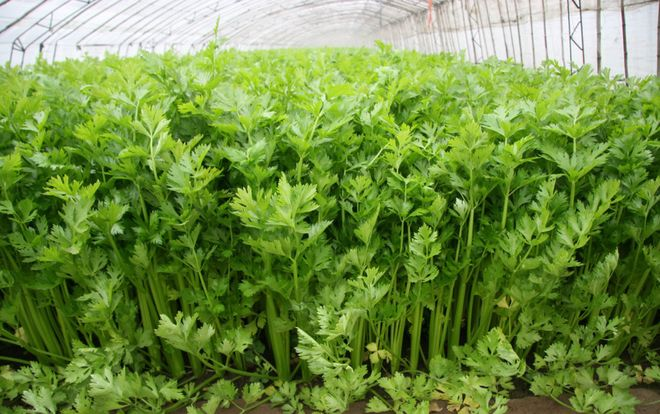
Water management is essential during the growth of celery. At an early stage, the shallow water layer is maintained at a depth of about 3-5 centimetres, which, with the growth of the plant, deepens gradually to a level of up to 20-30 centimetres. It should be noted, however, that the water level cannot exceed the heart leaf so as not to affect plant growth。
Fertilization is also an important component in promoting the growth of celery. Quick-activated nitrogen fertilizer, such as urea, is applied every 15 to 20 days during the boom of the plant and 5 - 8 kg per acre. They can also be combined with watering and appropriate amounts of decomposition organic fertilizers。
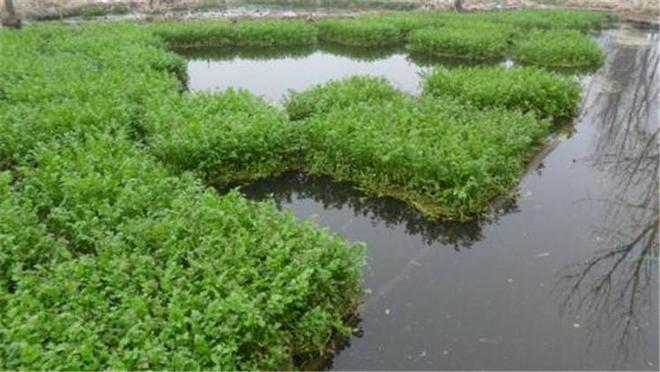
Timely weeding reduces the competition of weeds for celery growth. Manual weed removal should be carried out with care to avoid damage to the root and stem of celery。
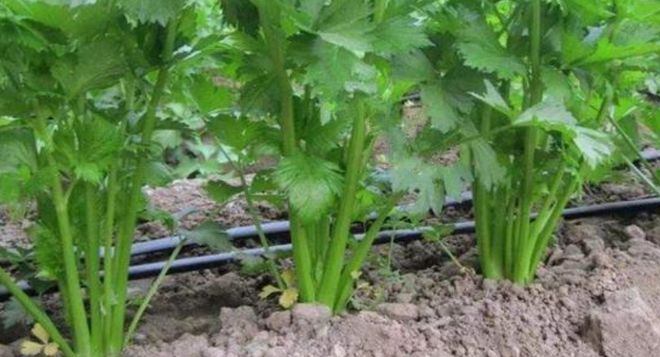
In the field of pest control, scabs are common in celery, with scabs, aphids, etc. Speculative diseases can be prevented through rational planting, increased ventilation and timely removal of leaves. Aphids can use biological control methods, such as the release of natural enemies such as aphids, or spray control with low toxicity and low residual pesticides。
When the celery plant is 30 - 40 centimetres high, it can be harvested. A sickle can be removed from the root of the harvest, leaving a portion of the tubing and the root line, so that it can continue to grow and produce multiple harvests。
Overall, the cultivation of celery requires the selection of suitable sites, mastering of planting time and methods, focusing on moisture, fertilizer management and pest control. If you follow these methods and techniques, you can harvest fresh celery and add a nice and healthy meal table。