


The sixth grade of primary school is subject to transfer, taking into account the five key points of entry policy, adaptability, school selection, processing and psychological transition。
1. Student policy:
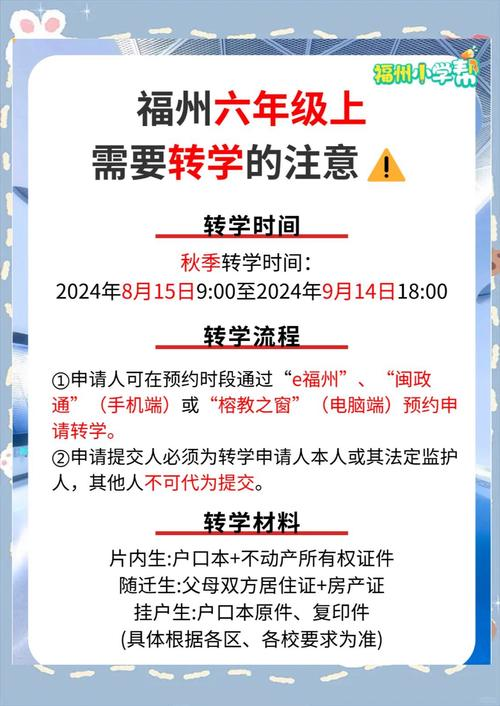
At the national level, compulsory education is governed by the electronic registry, which is subject to the conditions of transfer or change of place of residence. Parents are required to submit an application for transfer to their original school and to complete an electronic transfer within 30 working days after approval by both schools and the education department. Some municipalities have special restrictions on transition from school to school and require prior consultation with local education offices。
Adaptation:
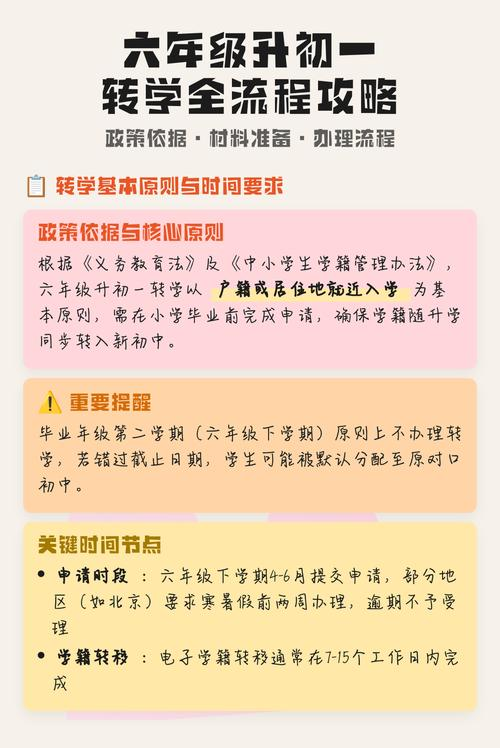
The sixth grade faces a critical period of early entry, and the new environment may affect the learning rhythm. It is recommended that children's social skills and stress levels be assessed in advance and that schools with similar levels of schooling be selected. The children may be brought to the new campus prior to transfer, and the communication programme will be linked to the class director's programme, where necessary through a disciplinary mapping test。
3. School selection factors:
Priority is given to the quality of secondary schools at the counterpart level, avoiding secondary transfers. Private schools need to pay attention to enrolment quotas and entry test requirements, and public schools need to verify the consistency of property certificates with household records. Children with special educational needs can apply for transfer to a school with a resource class。
4. Procedures:
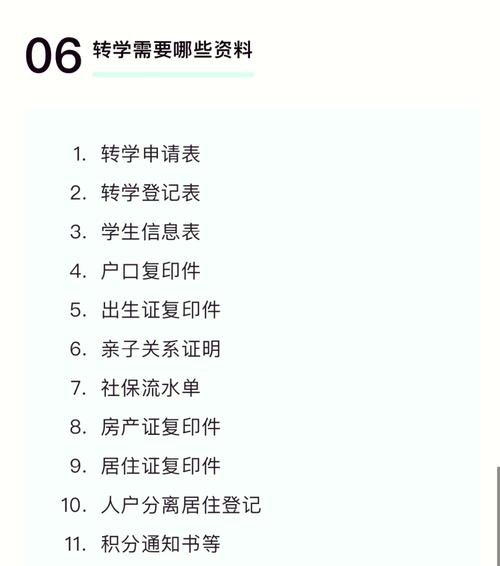
- preparation of a household register, a property certificate, the original identity card of the guardian and a copy thereof, and completion of the registration form for the transfer of pupils and students. Inter-provincial transfers require the provision of additional basic student information sheets and comprehensive quality evaluation manuals. Vaccination certificates are required in some regions during the epidemic。
5. Psychological transition:
The first two months of transition focused on emotional change and set up a daily communication mechanism with class directors. Children are encouraged to participate in community activities and are quickly integrated into the community, maintaining the contact details of their former school friends as emotional support. Ongoing insomnia or anorexia require counselling。
Post-school diets need to ensure protein and omega-3 intake and weekly consumption of brain foods such as salmon, walnuts, aerobics, such as jump ropes or basketball, to relieve stress, and to establish fixed interest schedules to avoid the use of electronic devices one hour before sleeping. Regular interviews are held with teachers in various sections to monitor their academic adaptation and adjust their study plans as necessary. The transition to the final year involves the transfer of the school records, with special attention to the complete transfer of the student development record book。



