The celery is divided into celery, which belongs to aquatic vegetables, and which is a green leaf vegetable growing on land. The two celery tastes roughly the same, with fresh and fresh cuisine, a good mix of fried meat, which is very popular with the people, and which is even less in demand for market sales. As a result, many farmers prefer to grow celery in their own fields, some of them with particularly poor tastes and no production, which is not as high as that of a professional plant. So how do we grow the celery that is strong, productive and fresh? Here's some of the good ways to grow celery。
Number one, time farming
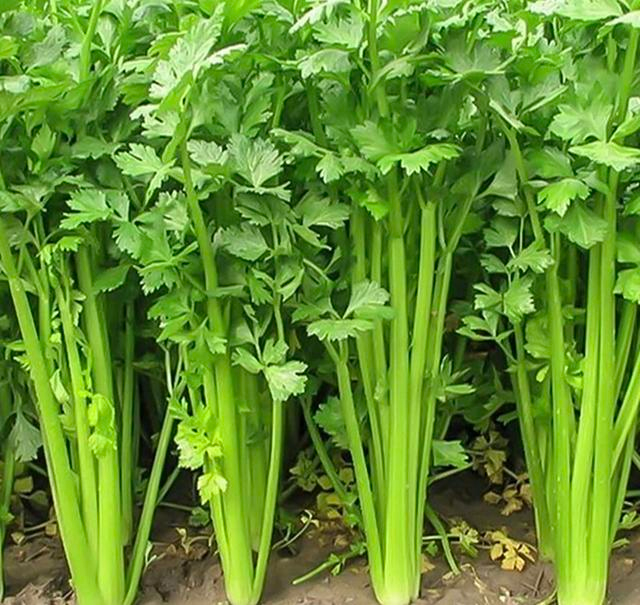
The celery is a cold-cooled climate that is best suited to its growth temperature of 15°c-25°c, over 30°c or under 5°c. It is therefore important to plant celery in accordance with its own ambient temperature, usually during the spring and autumn seasons in my south, and around july in the north。
Second, understand celery growth needs
The celery, which is a fertile crop with its shallow roots and weak absorptive capacity, must be cultivated in fields that are cold, ventilated, fertile, loose, strong and easily drained. Before seeding or replanting, it is essential that the dry and white fields be tanned, then planted, and that the tanned land be used to kill the bacteria and eggs contained in the soil, thus contributing to the growth of future crops。
Number three, celery breeding grounds
In general, seedlings are grown on land, and it is preferable to opt for ashes. It is the choice of a good land, which is covered with dry straw after a tan, burned once and again with a proper amount of decomposed farm fat, and then ploughed into the ground, and then planted seedlings the next day。
Point four, rapid seeding and seedling
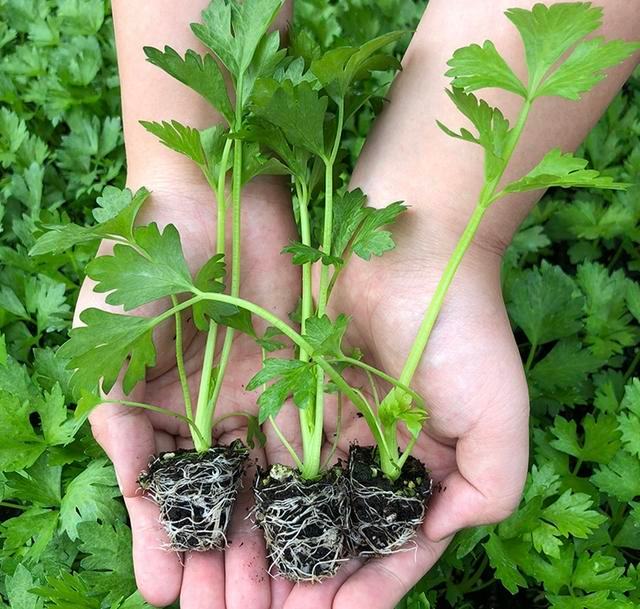
The celery seeds purchased were laid out for half a day, packed in bags, immersed in well water for two days, then removed the seeds to a hole in the shade, which could germinate for three to four days, or sprung in the freezer of the refrigerator, where 80 per cent of them were found to be sprouts but seeded. The seedlings are sowed with water once until the soil is wetted, then the seeds are evenly distributed into the soil and then covered with one centimetre of ground. During the nursery period, soil-dried water is used, very little nutrient is required for the seeding period, and one month after the seeding is produced, a proper amount of nitrogen is to be followed up, which must be small to avoid the effects of fertility, which can be cultivated for about 50 days。
Number five, before planting
The celery must be tanned early before it is planted into the field, using solar light to kill the fungus and eggs contained in the soil. In the case of pelicans, they are usually laid in the water or in the field, and the ground is refined one week before planting, with more than 3,000 pounds of manure per acre invested in the compost of a grown farm, 50 pounds of potassium nitrogen phosphorus, 50 pounds of lime, sowing the soil evenly, evenly flattening the soil and fattening it, making it flat and flat, and then replanting it three days later. The celery has a density line of 20 centimetres and 10 centimetres, which is then replanted and watered once to the ground. The celery seedlings must be watered once a day before growing and stable until the small seedlings are alive。
Six o'clock, field fertilizer management
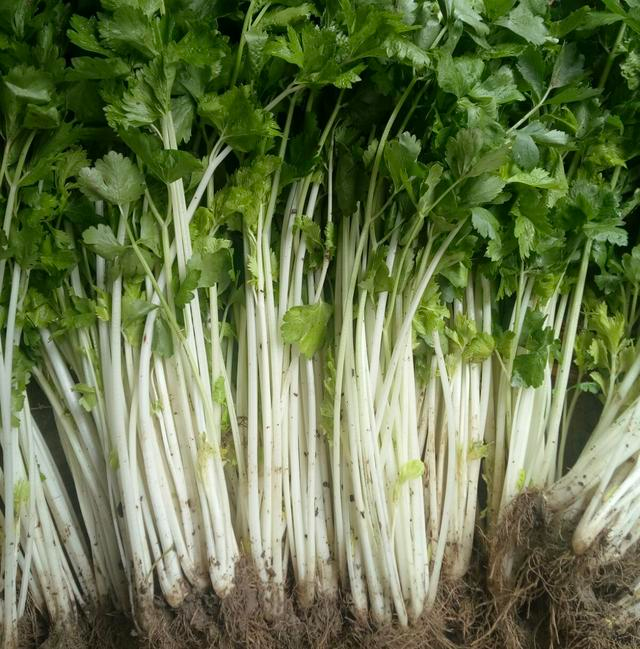
The celery seedlings, when active, should be watered, soil humid, 65-80 per cent soil humid, and a small arch shed, covered with sunnets, can be made in appropriate quantities during the high-temperature dry season, while wells are cooled and drained in heavy rain. In the case of fatting, in the case of foot-dependant fats, it is advisable to go back into the boom and catch up once more, with more decomposition or with potassium nitrogen phosphorus compound fatting in the water, with 1,500 per cent per acre. Celery is relatively small for pests and diseases, preferably from a management perspective, with ventilation, high temperature, humidity and drought-proof water, and is generally free of pests and pests, if it is not comfortable with prevention such as polyborges or enzymes。
In any case, in order to produce a strong, thin, fresh celery, it is essential that the fields be tanned early and that more chromosome organic fertilizers be applied. Maintaining the soil in a wet state, in case of high temperatures and drought, with cooling and watering, must produce high-yielding celery。