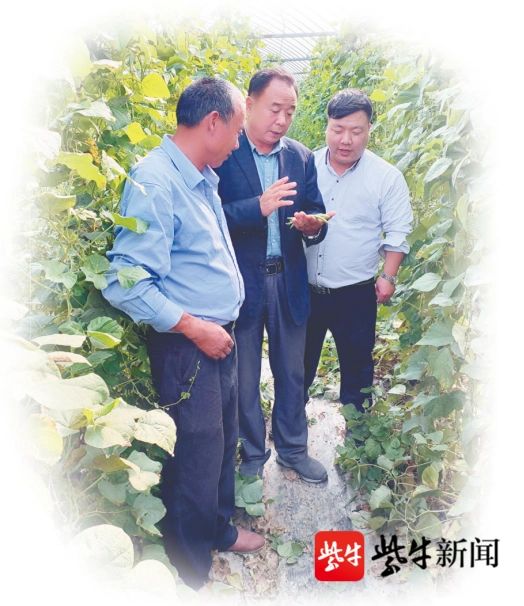
A lot of friends like to plant melons, watermelons in their own gardens or fields, so that they can eat the melons they grow at any time, so that they can grow the melons, so that they can grow the melons in their own gardens or fields
I. High day and night temperature differential
Larger temperature differentials between day and night contribute to the accumulation of sugar, which should be increased as much as possible during the melon outcome period. It is possible to build small arch sheds with the conditions to keep them at 30 to 35°c during the day and 13 to 14°c during the night, so that the difference between day and night can be between 16 and 18°c, thus facilitating the accumulation of sugar。
Ii. Less fertilizer and more organic fertilizer
The predominantly organic, non- or low application of fertilizers is another effective measure to improve melon sweetness. In case of self-planting, bean-cakes and farm fat can be used。
Water before melon matures
The fact that the soil of melons is disproportionately watered during maturity not only reduces the sweetness of melons, but is also prone to the emergence of “measuring melons”. In particular, attention must be paid to water control within 10 days before the melon matures。
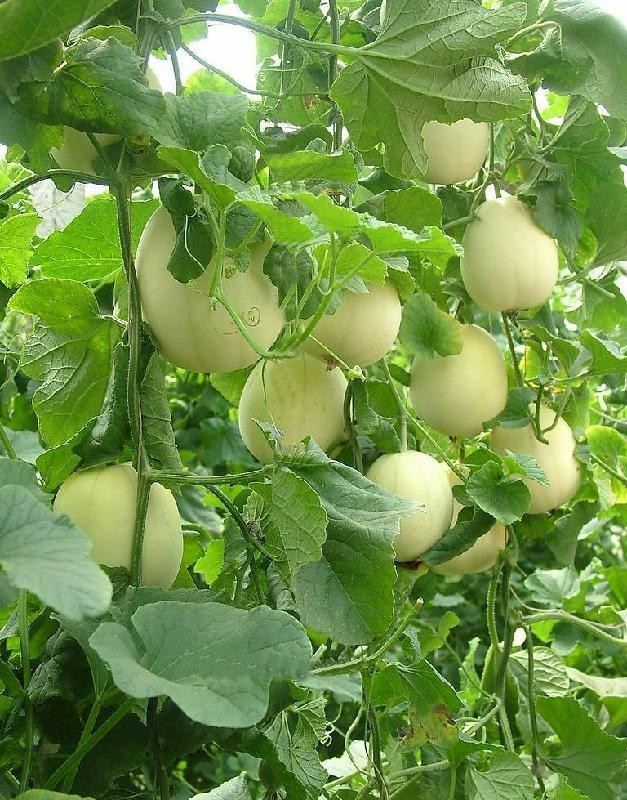
Iv. Maintenance of lights
The luminous leaves surrounding the melon need to be removed to increase the permeability of the plant and to allow the melon to receive sufficient light。
V. Quipment in approach
The average melon is 30 to 35 days to fully mature, with high sugar content and a good taste. Therefore, melon sweetness is the most basic measure。
Vi. Flow-based fattening
The melon is a fertilizing crop, and if it is to be sweeter, fertilized and tasted, it should be applied with sufficient bottom fat. It would be more effective to apply fully fertilized chicken manure with potassium sulphate-type compound fertilizer, and to increase the fermented bean or peanut butter。
Seven, catch up with fat
When a melon fruit grows to the size of an egg, it should be followed up in a timely manner and can be applied in combination with water. The melon is a potassium-based crop, which can be supplemented with water to fill the melon with high potassium-type compound fertilizer; the melon is in high demand for potassium elements in the later stages of its growth, and increased potassium fertilizer can significantly improve its production and quality. In addition, the use of nitrogen fertilizer should be properly controlled for the emergence of large plants。
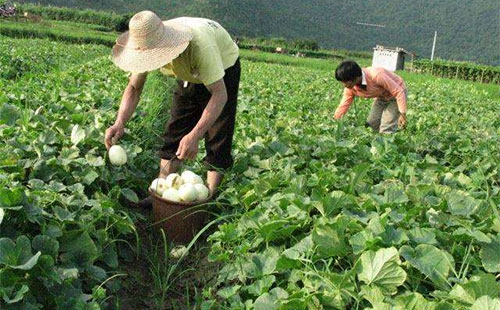
Viii. Micro-fertilization
When the melon plant shows symptoms of deficiency, it causes growth to be stunted, yield to decline, quality to deteriorate and sweetness to decline. Micro-fertilization can be used. A combination of watered water was sprayed with 0. 3 per cent calcium chloride plus 0. 12 per cent to 0. 25 per cent of a mixed leaf of boric acid, and once every seven days, two or three times in a row, to supplement the demand for melon plant growth. Post-phosphate potassium leaf fattening increases later production, improves quality and improves melon sweetness。
Growing some melons in your own garden or farm and choosing the above eight measures will make your melon sweeter。