“the water in the pond is full of rain and has stopped, and mud is all over the fields, and i wait for you every day for you to catch mud. It is believed that many small partners have heard this song, and that, after 80 and 90 years, there were not many recreational facilities in the countryside, so most of the small rural partners used to catch shrimp and paddy and mud as a joy for their childhood and, of course, a good memory of our childhood。
In particular, as people's standard of living has improved significantly, the prices of some wild mudslides in rural areas are now high, and at least a pound of wild mudsucks are now available on the market. So there are also a number of aquaculture farmers who enter the masonry army. Particularly among men of rural age, some farmers may not have much expertise in farming, so in rural areas they simply make their own lots of water fields as a way to raise aquaculture, but they may eventually find little results, so how can the mudslides be made more productive? However, as the summer heat comes, some mud farmers are also very troubled by the fact that they are raising their own mudslides, some of which are symptoms of death. So how do you grow mud? What's the choice of muddled seedlings? How is the water quality and disease of the mud managed? In the context of this series of questions, in particular the first summer season, the mud farmer has five concerns that deserve attention。
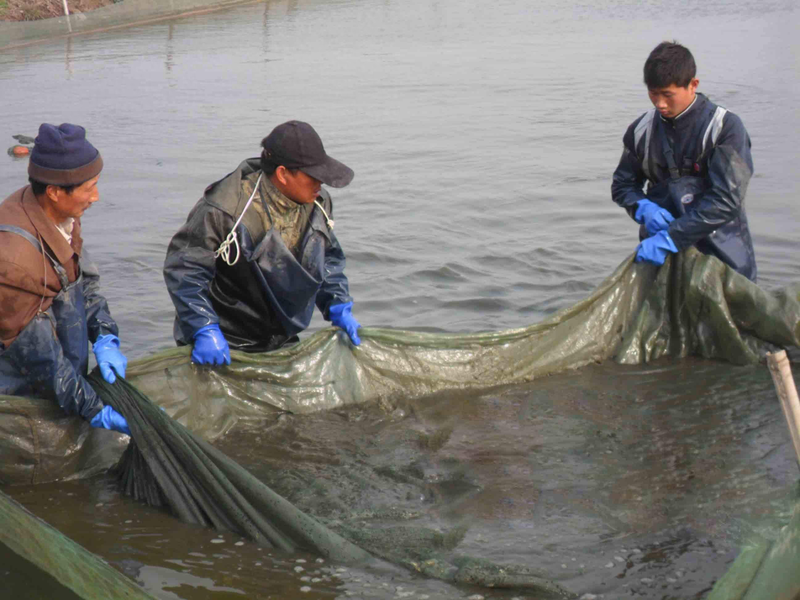
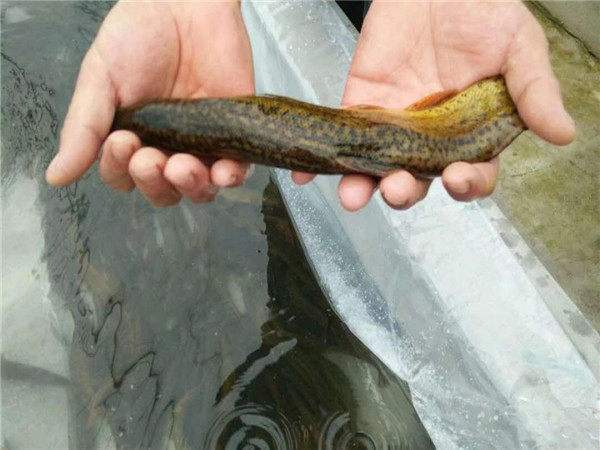
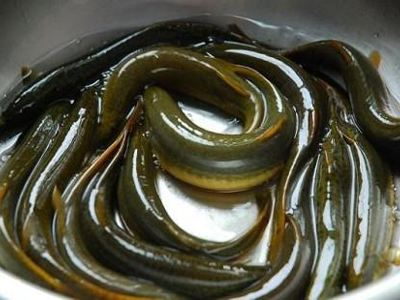
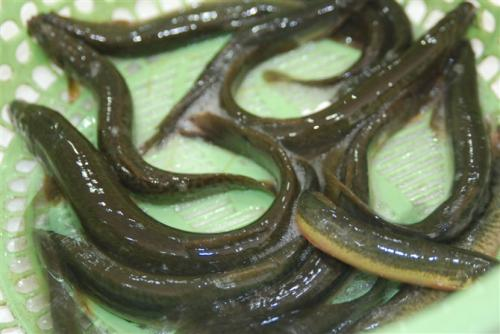
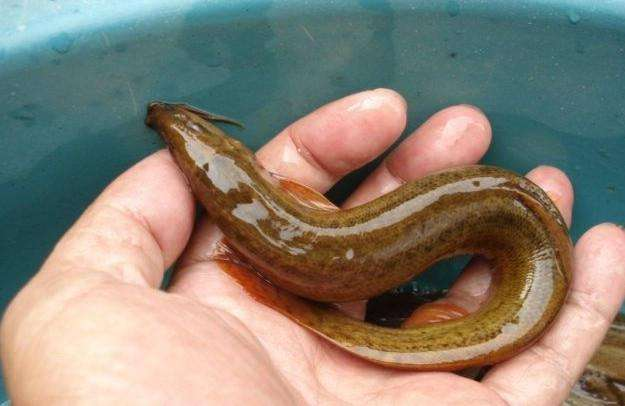
The names of the mudslides are quail. Longer, cylindrical, usually adult mudslides of about 10 to 20 cm length are a bottom-dwelling fish that is suitable for growth in a number of habitats in rivers, lakes and paddy fields and ditches, especially in swamps and in a variety of mud-rich environments. The mudslides breed quickly, especially when they like to come out for food at night, and in general they are highly adaptable to the environment。
In particular, some mud farmers prefer to farm mud in a number of congested environments, for example, some farmers make a paddy field with fatter pig dung, cow dung, etc., so that the mud can be so fat that it can sell at a good price. Why is it so easy to grow mud? Even when the water is drying up, the mud cannot die as long as it enters some mud with a small amount of water. But where is the mud? It is the use of large-scale farming methods, inappropriate methods, or the lack of oxygen in mudslides, etc., that causes death, which is a great loss for mud farmers. Temperatures are expected to pick up gradually, especially as some brief rainfall occurs in the summer, and water evaporates significantly during mud breeding. For example, higher concentrations of nitrite and hydrogen sulfide can lead to water quality, with some stench during the summer and deterioration in water quality. In order to enable the mud to grow in a healthy and healthy environment during the summer, mud farmers should address the following aspects。
Caution 1: ensure water quality。
Water quality management methods for mud farming in high-temperature seasons, especially in hot summers, are on the verge of rising temperatures in the water and the metabolism of mudslides is growing. In the process of raising mudslides, poor changes in the water quality environment leading to a large number of bacteria in mudslides, which are highly susceptible to mass disease of the mudslides, require even greater attention in the summer seasons, especially with regard to water quality management of mud pools, in order to provide a healthy and healthy environment for their growth。
In the process of raising mud, farmers need to check the mud regularly every day. Its water quality is good, especially if it is bred with water from a pool, which is above 4 mg/l of dissolved oxygen, with a ph value of 7. 5 - 8. 5, with attention to the transparency of the water quality, which is most appropriate for 20-30 cm. This is why, in the process of raising mud, it is important to select sites with abundant water sources, such as rivers and lakes in the vicinity, which can be replaced in a timely manner if they are found to be of poor water quality in the ponds where they are grown, or to apply complex microbiological agents every 15 to 20 days in the middle of the sun. In particular, in the process of raising mud, farmers should also understand that the water quality of aquatic plants cannot be ignored, and it is suggested that farmers could use celery, which could have a good effect on water quality。
Second: the bait is fed。
First of all, there is the need for scientific bait. During the summer season, large-scale mud farming will certainly require some bait to boost its growth, and when it is fed, some fully priced feed will be suitable to adjust its protein content and feed input in a timely manner, depending on water temperature and weather variability。
Especially in the summer, the mud is flourishing and growing at an alarming rate, and it is suggested that the mudslides – the farmers spend as much screw meat as possible on the mud, or some animal protein-high baits such as fresh earthworms. In particular, in some rivers and lakes, there are also more earthworms in the form of screw meat, screw meat and in some fertile land. But like those screwdrivers, its shell is very hard. Farmers are advised to add water to the pot, boil it with a fire, and then feed the screwdriver to the mud farm pool。
And the number of times a mudslide is fed, preferably twice a day, once a day and once a night. At the same time, when the mud is fed to these animal protein baits, it is necessary to observe the mud and feed them after they have finished, otherwise it may cause some screwdrivers to stink in hot summers. It is also important to carry out daily inspections of the water quality of mud farming, and to carefully document not only its feed, but also its activity. There is also a need to extract sick mudslides to see if there are any cases of disease, which should be released as soon as possible and the remaining slags removed。
Third: mud disease prevention。
In cases where mud is grown manually in this growing environment, it is often possible to cause a variety of diseases in the mud. First, farmers should adhere to the principle of “ecological prevention, prevention and control” and adopt a number of comprehensive preventive measures, so that the incidence of mud disease can be effectively reduced in the case of mud farmers, and so that the yield of mud, as well as the survival and productivity gains from farming, can be further enhanced。
As a general rule, its main enemies are frogs, aquatic insects and some flying birds, or some ferocious predators in water quality, for example black fish. It is also very simple to use a pool to plant mud, first to remove weeds from the pool, so as to ensure the environment and hygiene of the water quality of the mud, and also to ensure strict protection against the invasion of the mud farm by frogs, who should be caught in time, and, most importantly, when they are found, they should be poached in the ponds where they are grown, if they are to produce eggs, otherwise they may suffer greater disaster。
On the other hand, if the mud is grown in large water fields outside the house, it must be stopped with a barbed wire at its entrance and drain when it rains. The advantage is that the first prevents large-scale run-off of mudslides, and the second prevents alien organisms, such as wild fish or other harmful pests that flow with water into mud-planted ponds, while maintaining strict protection against the use of birds in the sky to feed in mud-planted pools, finding that birds should drive out mudsucking ponds or birds in a timely manner, suggesting that the breeders can fully cover them with a net above the mudsucking ponds, with less care。
So, in raising mud, we have to do it: “prevent disease, prevent it, and prevent it”. They can also be disinfected with water, and it is recommended that silt growers use bleaching powder, chlorine dioxide, dibromohydride or bromochlorine to disinfect their farmed ponds so that some pathogens in silt water can be eliminated to prevent bacterial fish. Another method is to use bleach powder, which is sprayed every half month. 1 g/m3 used; 1% of the total volume of iodine sprayed at 0. 5 g/m3 at regular intervals; one full dose of 0. 2 g/m3 bromochlorine/m3 or 20 g/m3 brominated lime per half month。
Fourth: dust pond requirements。
In rural areas, where small-scale farmers may use a single paddy field to feed, there is no guarantee that the mud has a good harvest, which, if not managed by science, could lead to the total extinction of some of the harmful organisms in the water for less than a month, so that some of the professional mud farm ponds are used by regular farmers for professional farming。
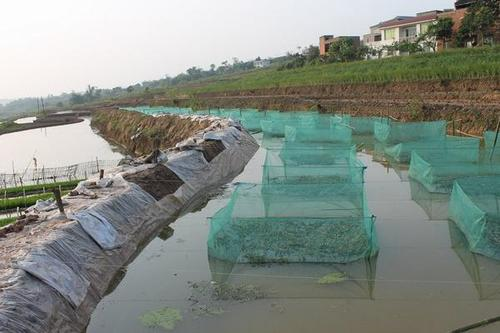
In the case of an extended pond, the first thing to understand is that the pond needs to be 5-10 acres. The depth of the pond is in fact significant, with a depth of 1. 5-1. 8 metres the most appropriate, especially with some sludge on the bottom. In the ponds where the mud is bred, the ponds are surrounded by no leaks, which may cause water loss. There is a need to ensure that the next water source is adequate and that its pool can be replaced in a timely manner, especially during the dry summer season。
It is also important to note that the mud farm is surrounded by a quiet state of silence, with no hazardous substances or chemical plants, which may lead to contamination of its water quality. There is also a need to buy some equipment at the mud farm pool, each acre of which must be equipped with an oxygenizer, so that oxygen can be added to the mud pond when it lacks oxygen, and some protection nets must be installed around the mud pond to prevent water rats, snakes and birds from entering the mud farm pool。
Especially in the early spring, when the mud is best fed, it is suggested that the farmer could clean the pond with lime 20 days early, then slightly improve the water quality with oxygen-added particles and some salt, and provide the mud with a good enough source of water, waiting for all these clean-up to be completed, so that the pond can be placed in a new water source, with some appropriate cabbage in the pond, and with aqueous peanuts to improve the water quality, with the advantage that the mud can escape under the lawn to prevent high temperatures from aerobic deficiency。
Fifth: pure seed selection。
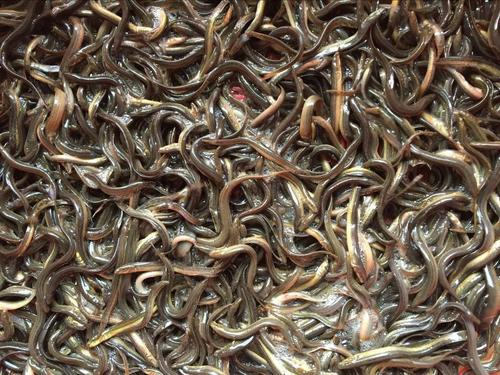
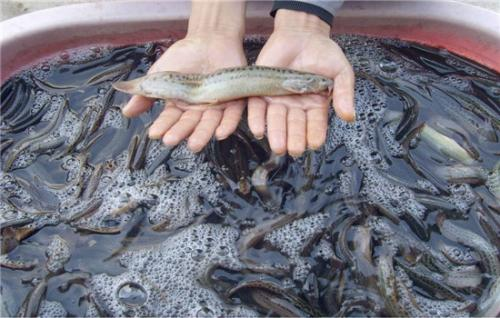
Any animal needs, first and foremost, a seedling, and so must be the first to choose a seedling for the mud, which is not contaminated and which is flexible, without any injuries to the surface and without any disease. It is recommended that the length of the sapling be 3-4 cm. Especially when transporting mud seedlings, be careful not to damage its surface. In the ponds where seedlings are transported, care must be taken, first of all, to use salt water, and then to pour their vaccine bodies over and over again. For an experienced aquaculture farmer, it is clear that the density of any water plant must be controlled. At its best, it recommends the selection of may seedlings, for example 10,000 tails of seedlings per acre。
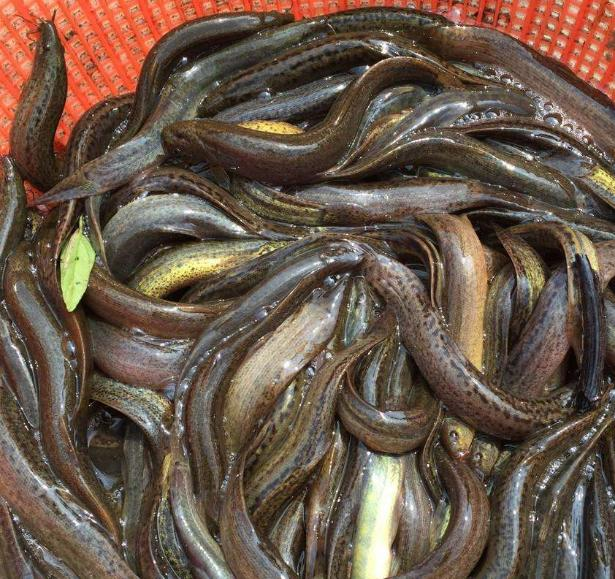
It is further recommended that a mud farmer, after feeding the mud seedlings, needs six drums with a minimum of 10 pounds of mud feed per barrel. As a rule, it takes about five months from the time the seedling is released to the time of the harvest, that is, four centimetres of the seedling, which can be sold at a good price as long as it is 10 centimetres in length and meets the fishing criteria. In order to increase their productivity, mud can be grown without increasing the intensity of farming, which not only leads to some disease in the mud, but also does not pay for it。
If outdoor farming is used, it is suggested that farmers can periodically apply some fertilizer in mud ponds and develop natural baits, which would have the advantage of significantly reducing the amount of money they can buy forage for mud and saving a sum. Of course, in order to be able to sell a good price, it is also necessary to look at the timing. At different times, the price of the mud is different. Therefore, to be able to sell a good price, farmers must choose a good time to sell again。
These are the ways in which producers share their experiences in the cultivation of mudslides and some farming practices. For mudsuckers, it is not difficult to raise mudslides if they pay some attention to the above. Some of the dry goods that they wish to share today will help them。