Technical measures for selection of trees
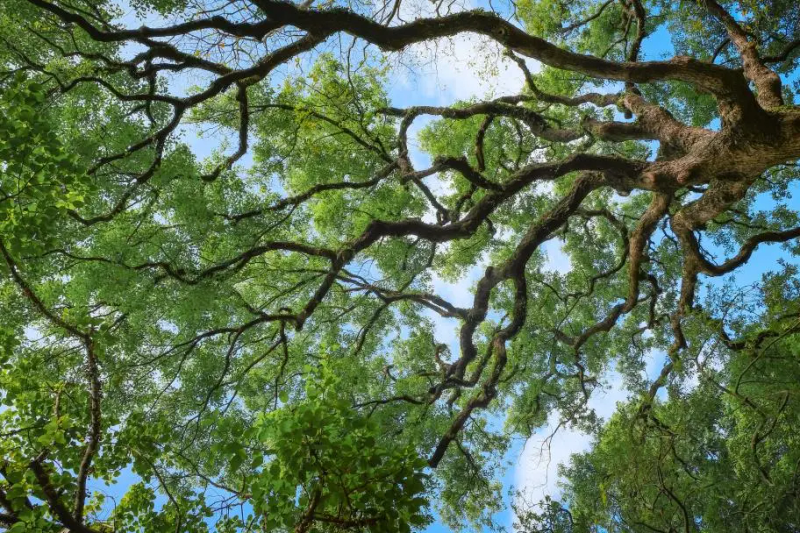
In order to increase the productivity of the tree, the selection of the tree should:
1. Selection of strong and strong trees
2. Cultivated trees shall be grown in a well-developed, robust, infested, infested and dead
3. The tree specifications and tree form shall conform to the design requirements;
4. Large-scale seedlings should be treated for break-up before transplantation and for sound professional transplantation
5. The soil thickness of the grass is 3-5 cm and that of the lawn roll is 2-3 cm
Six, one, two years of peanuts, 10, 40 cm tall and 15, 35 cm crown. The branches should not be less than 3-4 and the leaves should be strong and bright
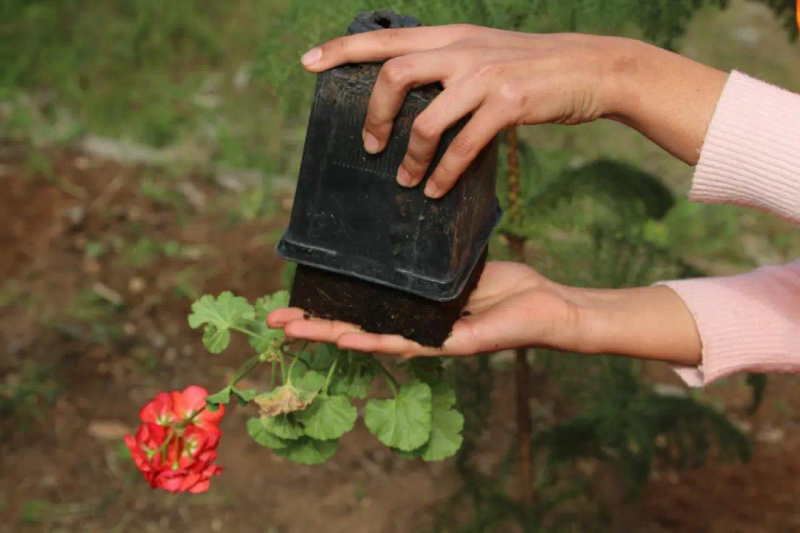
7. The roots of the bouquets must be complete and free from decay and decay
8. The root of the ball shall be strong, undamaged and full of buds
9. The leaf-watching plants shall be colourful and full of leaves。
Pre-plant soil treatment techniques
Soils are fundamental to the survival of trees, and pre-plant treatment of soils is key to increasing the productivity of trees。
First of all, we should ensure that trees are grown with sufficient thickness to ensure soil fertility, laxity, good ventilation and drainage。
Secondly, before planting or sowing, we will conduct a laboratory analysis of the soil nature of the area, with appropriate disinfection, fertilization and soil use measures。
The minimum planting soil thickness necessary for the growth of garden plants shall be consistent with - - 30 cm thick on the grasslands; 30 cm on the lawn; 45 cm small shrub; 60 cm large shrub; 90 cm light root wood; 150 cm deep root wood。
Measures to transport trees
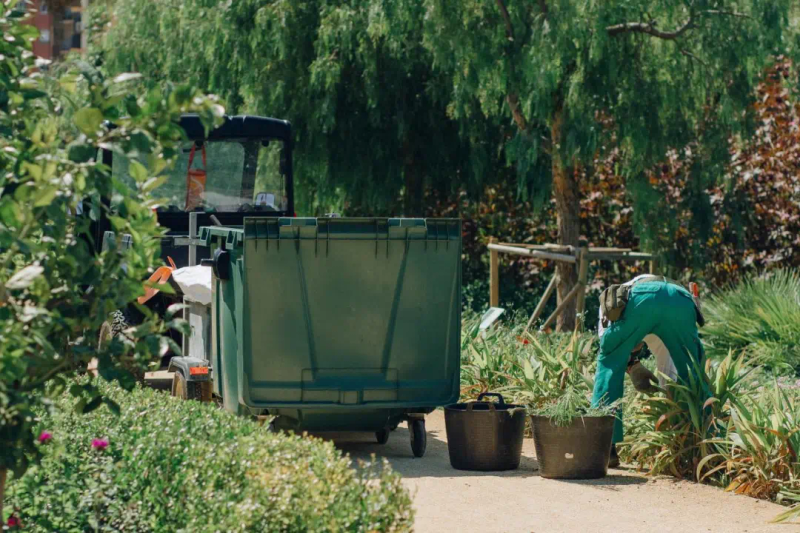
They shall be fitted, transported, discharged or planted in a false manner in such a way as to ensure that the roots of the trees and the earthballs are in good condition, that they are not broken by the head of the trees and branches, that they are not razed, and that they are immediately planted after being unloaded, and that trees which cannot be planted immediately shall be planted in such a manner as to preserve the roots。
The following shall be noted for the shipment of trees:
1. When carrying a fielded tree, the root shall be kept in a straight and rear-sequencing code, and a straw pack shall be provided in the rear of the trunk in order to avoid abrasion of the trunk, be careful that the tree is not towed, and then bind the trunk with a rope, and be attached to the rope without strangling the bark。
B. Carrying shrubs may also be carried on a straight-on-mounted vehicle, and any faraway field of seedlings shall be covered with rags or wet grass bags in order not to be affected by the wind。
3. When carrying earthball saplings, the height is set below 2 m and above 2 m shall be tilted. Fashioning earthballs forward, trunks backward. Groundballs should be steady, padded, squeezed, not overscaled, not more than 40 cm or more, not more than three floors, and not more than two floors, if larger than 80 - 100 cm, should be loaded with cranes, and care should be taken not to damage branches。
When the tree is transported to the site, it is released at a designated location, and when the seedlings are released, the vehicle shall be unloaded from top to bottom in the order in which they are unloaded, and they shall be unloaded lightly and shall not be pushed down in such a way as to break the roots and branches. (b) when discharging earthball seedlings, they may be removed directly, but the dust may not be removed only from the trunk; if the dirt is larger than 80 ~ 100 cm, the use of cranes should be considered for unloading。
5. When the unloaded vehicle is unable to plant immediately, a naked tree shall temporarily bury its roots or cover it with a cloth or a bag of grass, or may excavate a false ditch of 0. 5 ~ 2 m wide and 40 cm deep, so that the size of the seedling may be soared. When the artificial planting takes more than seven days, the soil should be humid with a proper amount of water, and the temporary implantation with earthball seedlings should, as far as possible, concentrate on the steadying of the straight earthball mats, and, if the implant is longer, frequent water should be sprayed on earthballs and branches to increase the humidity of the air and the soil of earthballs should be wet, but the amount of water should not be too large to prevent the deformation of earthballs when they are softly removed。
Technical measures to trim trees
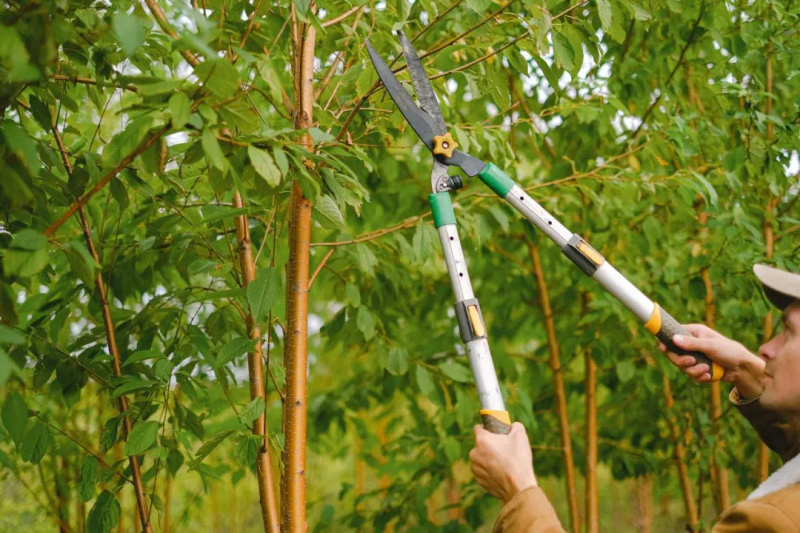
Prior to planting, the trees are trimmed to varying degrees (in the case of wood) in order to reduce the evaporation of the trees and to maintain a balance between supply and demand on the water of the trees. The amount of shearing varies according to tree species and landscape requirements。
1. For larger leaves, especially branches that are strong and easily extract new branches, the canopy can be reduced to more than half。
2. The tree shall be kept in its original tree form and shall be swirled as appropriate, and the branch of the branch shall be kept short on the sprout and may be cut from one fifth to one third of the branch。
3. If there is no visible backbone and a thick branch of wood leaves, with a dry diameter of 5 to 10 centimetres, several branches of the backbone may be selected to remain in their original tree shape for short stop。
4 and a thick branch of long-green wood is suitable for swirling, and the leaves are concentrated on the tree which grows at the top of the trunk, and they are not trimmed, but only swirling。
5. It is not appropriate to trim the permanent green needle tree, cutting only the insect branch, the dead branch, the weak branch, the too dense branch and the down branch。
6. The canopy of precious tree species should be kept as low as possible。
7. The wounds caused by the cutting of the trees shall be painted with the plaster of the wounds of the trees, vassilin, etc。
Plantation and conservation techniques
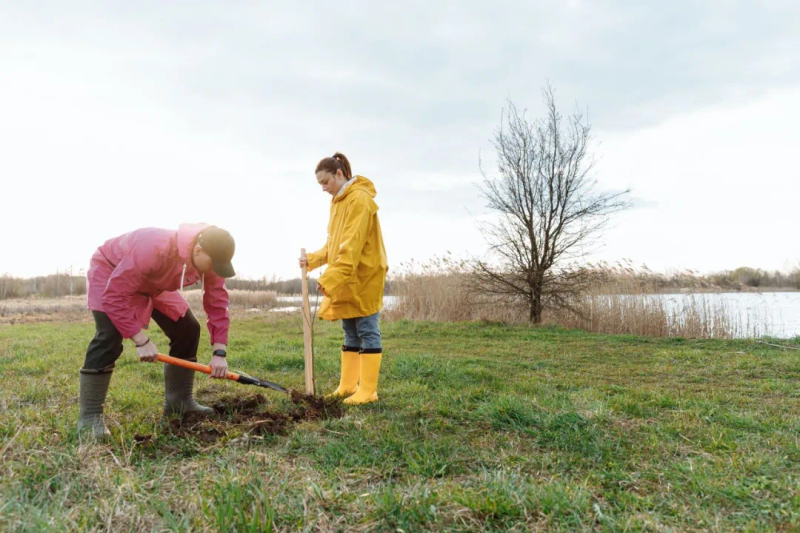
Different technical measures should be applied in the cultivation of trees, depending on the circumstances。
1. Trees shall be subjected to severe cutting (in the case of wood) and to the cutting of some of the branches, and those that are retained shall be trimmed or cut short, and a third of the original tree crown shall be retained and the earthball volume shall be increased accordingly。
2. The summer fences, the canopy spray, the wetting of the trunks and the maintenance of the wetness of the air; the winter should be weather-proof. Water should be poured out in a timely manner, once the water has been leaked and then re-surfaced, and the next day, water should be soaked and sealed that it can be filled in a timely manner, depending on the drying of the soil, depending on the area. For poorly drained plantations, 10-15 cm of gravel can be laid at the bottom of the cave, or seepage pipes and ditches can be laid to ease drainage。
3. Trees shall be planted with watering, support, etc., and shall then be planted around slightly more than the diameter of the den of cultivation, and shall be built into 10 to 15 cm-high saplings, which shall be solid and shall not leak. The slopes can be planted in the form of pebbles. The canopy spray of newly sprung leaves should take place before 10 a. M. And after 16 p. M。
4. Large trees may be supported by crosses and triangulations, with low-lying trees supported by pyres and high-sized trees supported by trigs. The pillar shall be placed outside the roots and earthball range at a horizontal level of 1 m or more, and the cross of the two horizontal pillars shall be in the direction of the trunk of the tree and shall be covered by a cushioned soft. Triangular support is appropriate for ligation at two thirds of the trunk height, fixed with bamboo or wire rope, one of which must be above the main wind and the other two should be evenly distributed。
Conservation standards for technical measures for later conservation management
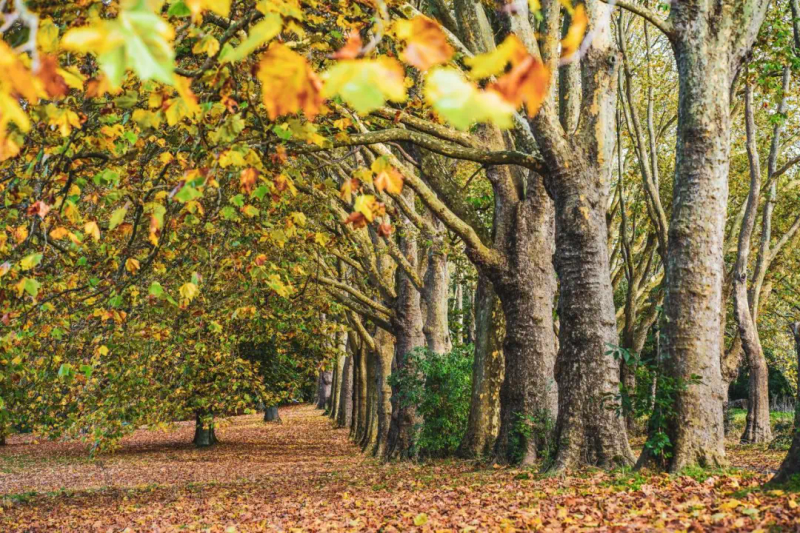
Standards for the conservation and management of wood:
Growing and growing, stubble leaves, tree shapes, lined under the sidewalk, moderate cutting, straight-dry coronary beauty, no dead trees, no dead leaves, good landscape performance。
Specifically:
(1) strong and growing in excess of the average annual growth of the tree in question; strong leaves, thick branches, thick green leaves, and no dead leaves。
(2) shearing: chomu trimmed mainly with long, sick, cross, down and dead branches。
(3) irrigation, fertilization requires the application of organic fertilizer twice a quarter, using the use of caves and sprays, water fattening, etc., and then soil cover, thorough water showers, water permeating trees of a depth of more than 10 cm, which do not need to be fashioned and trimmed, the timely cutting of yellow branches, diseased branches, shaded branches and the downsides that hinder the movement of vehicles, and the timely cleaning of the shears. It also requires a quarterly focus of 4 to 5 fertilizations in spring and autumn each year. In november and december, cold water was poured into the winter in time to support the wind barrier。
(4) timely and well managed pest and disease control to prevent, manage, and improve the resistance of plants to pests and diseases, frequent inspections and early detection of early management。
(5) clean up the snow branches in time for the winter, with no snow bends, bruises, fracturings。
Bushes, green fences, lawn maintenance
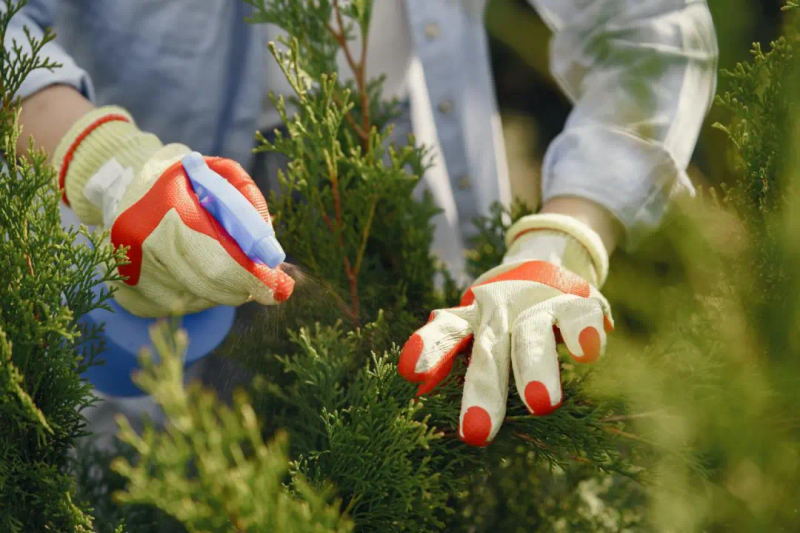
Shrubs, green fences, lawn conservation standards:
Growing up, strong leaves, normal colours, moderate trimmed, clean, clean, clean, clean, non-dead, non-dead leaves, good landscape performance. There are no weeds on the lawn。
The details are as follows:
1, pine earth, weeds, after spring. Weeds of all kinds that are of a nature to be found are immediately eradicated。
2. The main purpose of shearing, integrating and plasticizing trees is to ensure their normal growth and appreciation. The shrubs are trimmed primarily to preserve the natural tree shape; the green fence and spherical plants are mainly integrative. Cuts are usually carried out during the fall tree's hibernation period, and the plastics are mainly performed before the spring tree's hair, with the lawn remaining at an altitude of between 10 and 15 cm。
3. Fertilization and watering of bushes also allow for the pursuit of fertilizing leaves. Fertilizers were applied twice a quarter, 20 kg of urea per acre combined fertilization, with water permeating at a depth of more than 10 cm, using e. G. Evaporation, water fertilization, etc. In november and december, cold-proof water was provided in time to support the wind barrier。
4. Pest and pest control, where symptoms occur, treat the disease immediately and prevent the spread of the pest。