Key high-yield technologies for rice
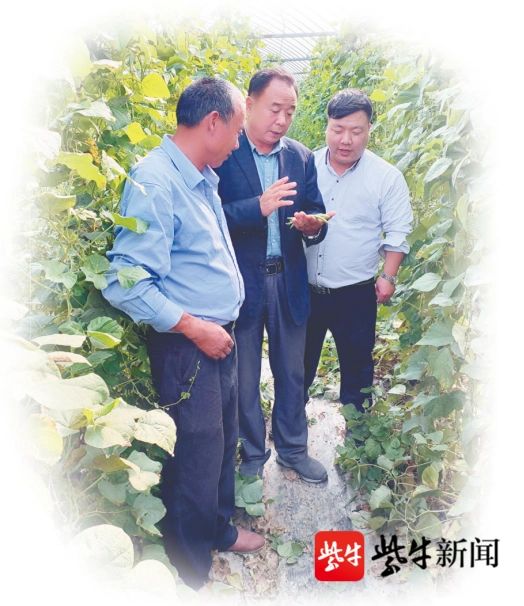
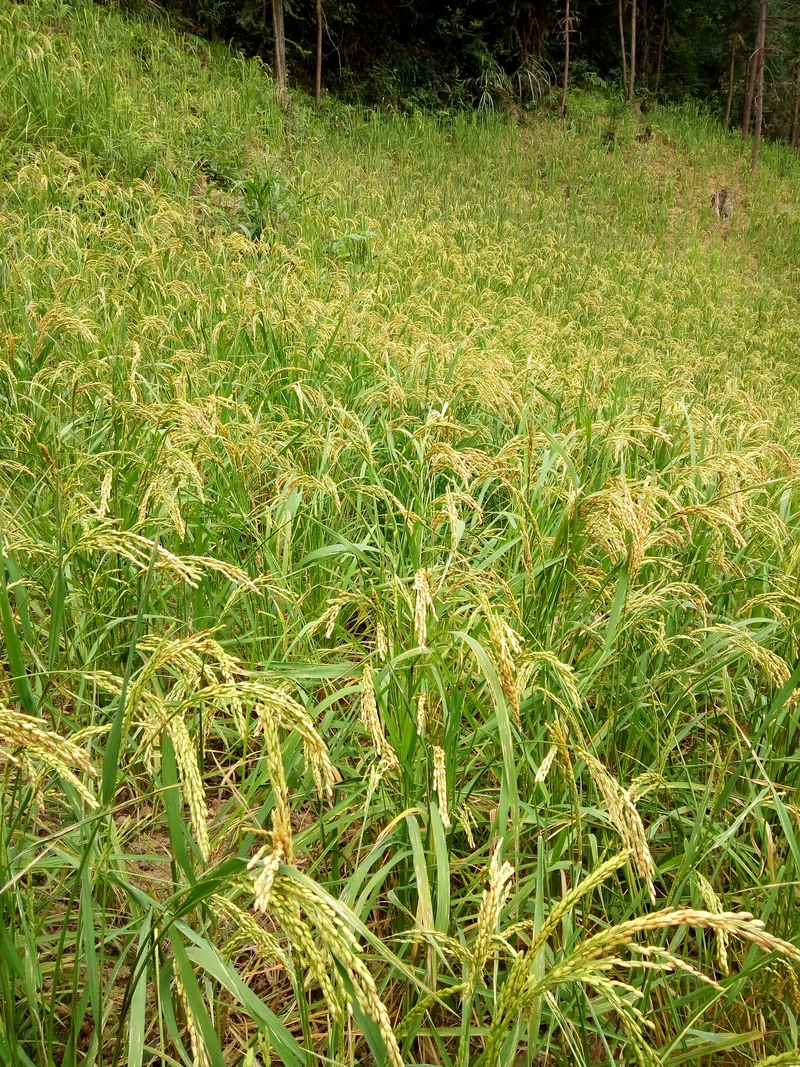
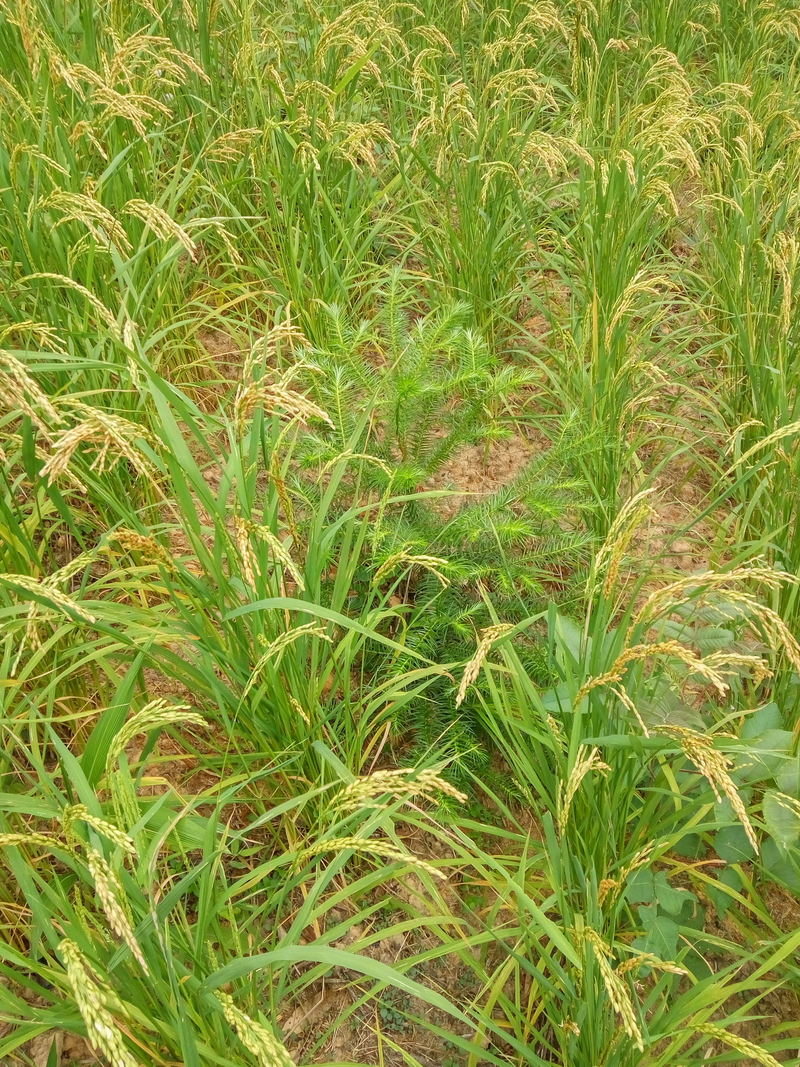
Rice, also known as “dry rice” and commonly known as “valves”, should be classified as land-based rice, broadly referring to rice cultivation that can be adapted to arid drylands, slopes and arid ecosystems, as a variant of rice adapted to the arid ecological conditions of the soil, with characteristics such as drought resistance, infertility and high adaptability。
Key high-yield technologies for rice
1 fine. Quite finely so that the seedlings, the whole seedlings and the soil are protected, requiring soil to be shredded and flattened. Soil farming, mainly for deep tillage, soil shredding, conservation and weeding, is more appropriate at depths of between 18 and 20 cm, so that it can be ploughed and sowed in time。
2 the planting is scheduled. The seeding period is generally open to shorter-lived varieties, such as pyramid 5, which can be postponed until early june. High-altitude mountains should be broadcast early, as appropriate, and above 800m above sea level requires an end to planting by the end of april in order to ensure safety and security。
3 preserve seedlings, saplings, boosters. Accompaniment, integration and strength are the foundation and key to the high productivity of rice. First, sunburning, seed selection, impregnation, seed disinfection and protection against rat and ground pests. Absorption is usually carried out intermittently for 2-3 days. Second, the sowing is done in the form of dens or strips, and the sowing is reasonably determined. Caves or stripping can help to sow evenly and protect against grass. The broadcast distance is 35 to 40 cm. It uses a narrow wide range of 40 cm and a distance of about 30 cm. The distance between larvae and larvae is around 80 cm in order not to affect the growth of larvae. The size of seeding should take into account such factors as the fertility of the mountain and the ability to preserve water. Soils are more fertile and water-preserving, favouring whole seedlings and seeding periods, with a smaller seeding volume. Conversely, sowing should be increased appropriately. In general, 45-75 kg per hectare is seeded, evenly distributed. The thickness should be based on soil quality, season and moisture. Normal dust 3-4cm. The sandy soil, the drought and the appropriate increase in the land cover, the clay, the heavy rainfall and the appropriate reduction of the land cover。
4 field management. Mountain soils, especially those of newly cultivated land, are generally relatively poor and have low organic content, and the application of organic fertilizers, which are largely responsible for the fertility of farmers, is an important basis for high rice production。
Key high-yield technologies for rice
1) fabrication of foot-based fertilizers, scientific fertilisation. It is generally combined with the application of pig dung from 11,250 to 15,000 kg/hm2 or commercial organic fertilizer from 7,500 kg/hm2. Rice fertilisation is generally focused on the centipede, and it is desirable to apply nitrogen, phosphorus, potassium composite organic fertilizer 600 ~ 750 kg/hm2 to the left or right of the two lobes. After that, the growth and weather conditions of the seedlings are seen, where appropriate, with the application of altruistic and cotrosive fertilizers。
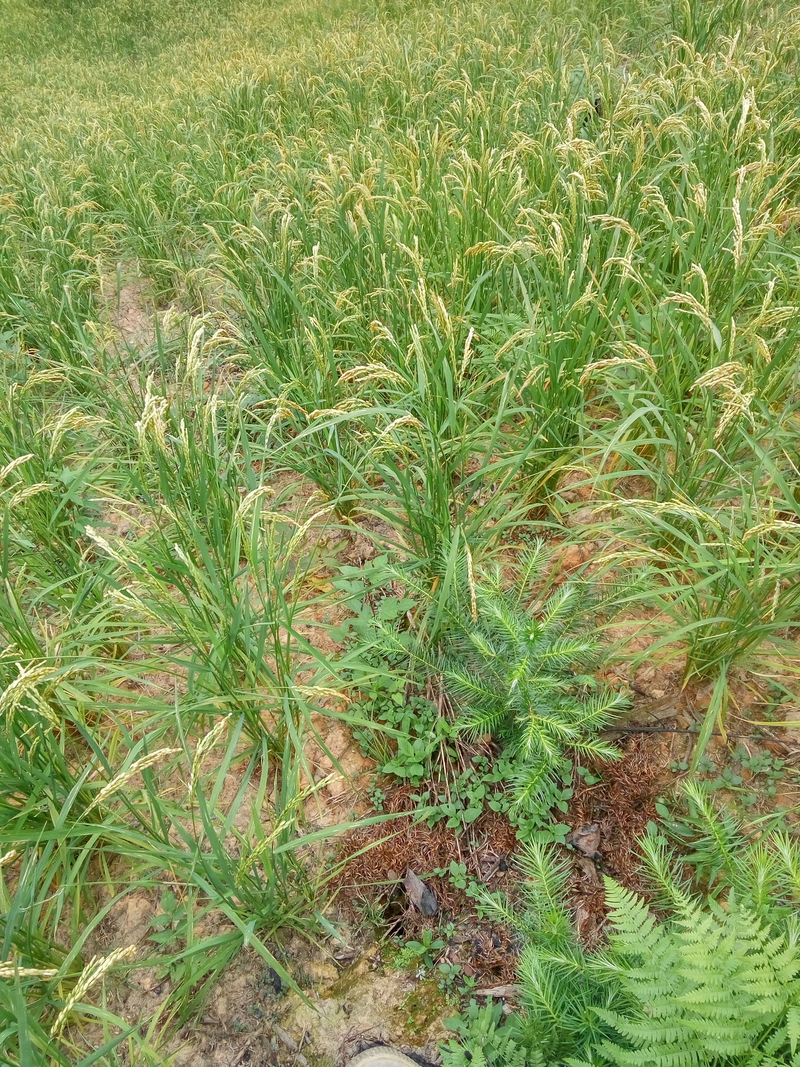
2) weeding. Rice growth and development are severely affected by its slow early growth due to its cultivation in drylands, often with grass-crowding and weeding. The main response is artificial weeding in view of the growth of weeds, with the principle of “premature, smallness and chronology” followed by two to three times。
3) prevention of pests, birds and animals. In general, rice varieties are more disease-resistant and less ill, with a focus on the prevention of underground pests and birds and animals. Solar light-sensitized red lanterns may be used to hang around paddy fields, intimidating, driving out boars or setting up props to drive birds。
Key high-yield technologies for rice