


Garlic is the country's long-established onion crop and an indispensable spice. To grow high-quality and productive garlic, it is necessary to understand its growth properties and to base field management on its growth characteristics in order to develop competitive garlic cultivation and fertilizer programmes。
I. Growth properties of garlic
Garlic is a cold, cold and intolerant crop and is particularly demanding for temperature conditions。
1. Garlic requirements for temperature
The temperature suitable for garlic hair sprouts is 20°c ~ 25°c and cannot be too high or too low during sprouts. If the temperature is below 15 °c, the lumber rate is significantly slowed; when the temperature is above 27 °c, garlic ceases to germinate during hibernation。
The temperature suitable for the growth of the garlic leaf is 15 °c ~ 20 °c, or more than 25 °c, and not only is the plant poorly grown, but it is also prone to death and early fashion is dormant。
From this, we can see that garlic is more demanding for temperature, so when choosing the timing of garlic, we have to calculate a reasonable planting time based on local climatic conditions。
2. Garlic requirements for soil conditions
Garlic is very young for changes in the growing environment because of its shallow roots and small hairs. The planting of garlic is appropriate for high organic content, laxity, good water drainage and moderate or weak acidity (ph at 5. 5 ~ 7. 5 sandy soil) and, in order to avoid entanglements, it is appropriate to rotate with crops such as rice。
3. Garlic requirements for water fat
In order to avoid the decomposition of the mother's petals, it is not appropriate to accumulate too much water in the field; in the long run, the leaves flourish, the demand for nutrients and moisture is greater, and attention should be paid to the availability of water fertilizer; and in the near harvest period, soil moisture should not be excessive, thus contributing to the storage of garlic。
Ii. Determination of the duration of the garlic seeding period
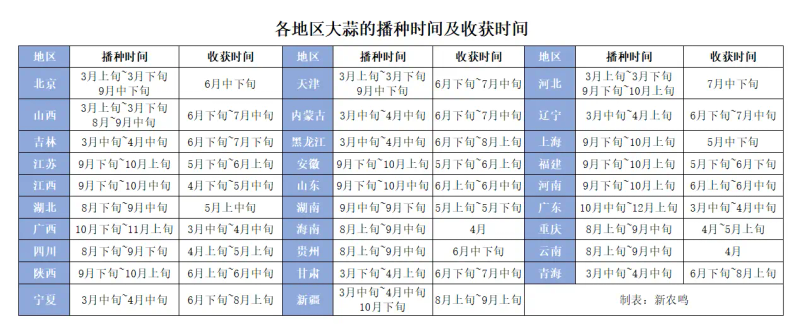
Because of the dormant nature of garlic, whether the planting period of garlic is reasonable has a significant impact on the quality and yield of garlic. The country's vast territory and diverse climate make it necessary to choose the most suitable planting period, taking into account local climatic conditions and the variety of garlic. In general, the planting period for garlic varies from one region to another and can be divided into spring seeding and spring planting。
(1) time of planting of garlic in spring
According to the agricultural proverb, “never nine years have to grow, not nine years have to be left alone”, it says the importance of early broadcasting of garlic. This is due to the fact that, in order to maximize the long life of garlic, the seeding period should be as early as possible, and the seeding can take place at about 5°c, i. E., when the soil is “during the night and the day”。
(2) autumn garlic planting time
The timing of the planting of garlic in the autumn is largely determined by the hibernation properties of garlic and external temperature. The planting of premature mother-pips consumes too much nutrients due to respiratory effects, while at the same time causing the growth of young seedlings to thrive in winter, which can also lead to respring, secondary growth, and the formation of corrosive garlic, thereby reducing the quality of garlic; the planting of too late and weak seedlings and the accumulation of less nutrients in young seedling tissues; and the development of dead seedlings during winter, affecting the growth of scavengers and garlic。
The seeding time is determined by a forward calculation based on local average temperature of 7°c, with 35 to 40 days long after seeding in the north and 4 to 5 leaves long before winter, and 60 to 75 days effective after planting in the yangtze basin and 5 to 7 leaves long after winter。
Iii. Preparations for the planting of garlic
The management before seeding is dominated by the choice of varieties and the handling and fertilization of the ground。
Selection and treatment of varieties
It is our common disease to ignore the selection of seeds, which in fact have a significant impact on the production of garlic, and it is important to select the varieties suitable for local cultivation, after being fully informed of local climatic conditions and market demand. When selected, garlic is properly treated before seeding in order to promote embryonic roots and reduce the incidence of pests。
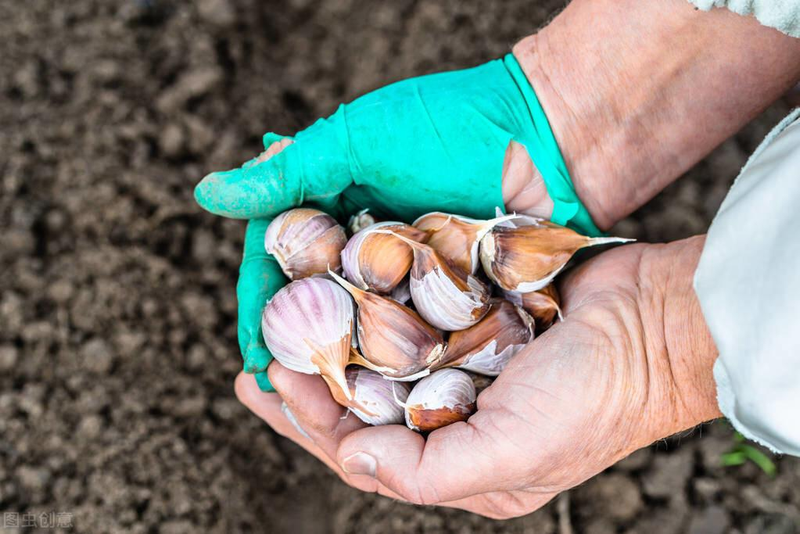
(b) pumping the petals off: strip off the dry tube of the garlic petals before the seeding is near, which will facilitate garlic hair and seedlings
Leachate: while the current pattern of leachate is temperate, fertilized and pharmaceutical leachate is common, it needs to be noted that leachate is only wet and not dry。
Fertilizing the whole area
In order to increase soil conservation capacity and permeability, it is advisable that, after the harvest of the pre-crop, garlic be soaked as to reach a depth of 10-15 cm or, if the spring climate is dry, soaked, usually more than 15 days. In the spring, garlic is also tilled, dredged before the winter, thawed and alternated to accumulate water and kill pathogens in the soil。
The application of fertilizers provides a nutrient base for the growth of garlic, the average nitrogen fertilizer ⁄3, and the bulk of phosphorus and potassium fertilizer is used as fertilizers. Based on the target production and soil fertility, soil acres with moderate fertility are required to apply soil fertilizers of 3,000 ~ 4,000 kg or commercial organic weight of 200 ~ 400 kg; calcium perphosphate of 30 ~ 45 kg (additional application in new garlic plantations, less application in garlic plantations), urea of 20 kg, potassium sulphate compound fertilisation of 50 kg (recommended ratio of 15-18-12), zinc of 2 kg and boron of 1 kg。
A full mix of base fats is made, spread evenly in front of the ground and then till it, and after the dredges and dungs, in accordance with the local climatic conditions, the usual spring garlic can be used for both pickles and plantings, and in the autumn the garlic can be used as a platinum, thus facilitating winter irrigation and winterization management。
Iv. Concentration and method of seeding garlic
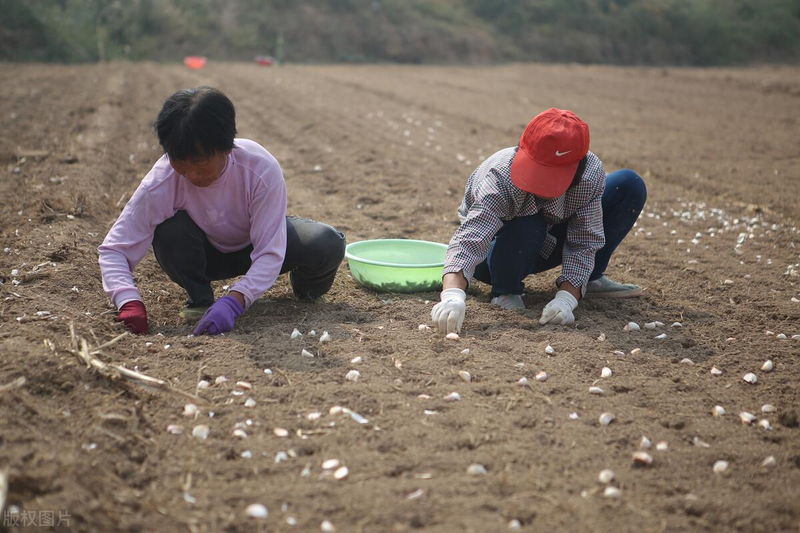
Prior to seeding, reasonable planting density and seeding methods must be determined in combination with factors such as varieties, soil characteristics, and the purpose of planting, which is a prerequisite for high-quality and efficient cultivation。
1. Determination of density of garlic seeding
According to the purpose of the plant, there are three types of cases in which we have to harvest garlic: garlic, garlic and garlic. For different planting purposes, there should also be a distinction between planting intensity:
Acres shall be sown properly, with a suitable density of approximately 50,000 acres, with a range of 14 ~ 1 cm and a range of 7 ~ 8 cm, with a seed rate of 150 ~ 250 kg; acres shall be sown appropriately, with a suitable density of 30,000 and a range of 18 ~ 20 cm, with a range of 12 ~ 15 cm and a range of 125 ~ 150 kg; and both shall be sown at a range of 16 ~ 18 cm, with a range of 12 ~ 13 cm and a recommended capacity of 150 ~ 250 kg per acre; and, in the case of the production of garlic, a suitable density of 60,000 per acre。
2. Garlic seeding methods
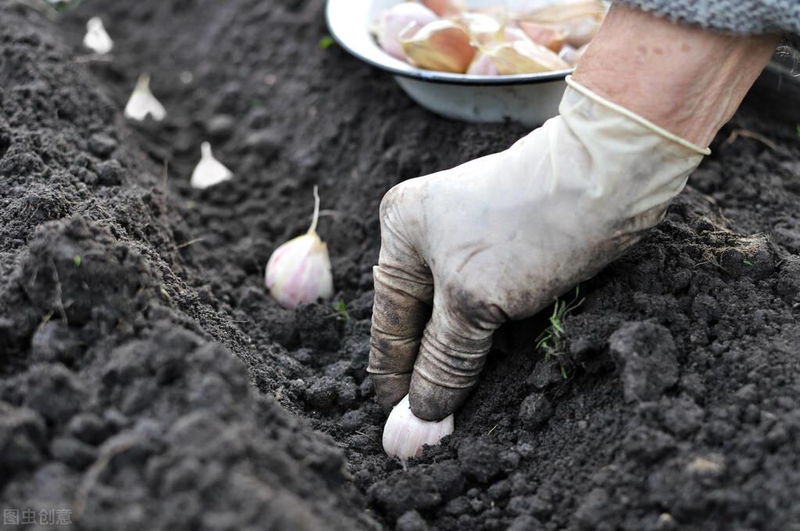
As it is said, “deeply immersed in shallow garlic”, which, because of its weak roots, is suitable for light sowing, is generally suitable at a depth of 3-5 cm. In order to sow, as far as possible, garlic is of the same size and thickness. In principle, the thickness of the ground is 2-3 centimetres (cm) for flatting and the thickness of the soil is 3-4 centimetres (cm) for high-flooding and high-strength cultivation。
V. Field management measures after garlic planting
After the planting of garlic, depending on its growth characteristics, we can divide field management into the following five phases:
1. Garlic seed management
The core of management in the embryonic period is to create the right conditions for the seeding of garlic for the purpose of early seeding, full seedling and seedling. In practical terms, there is mainly after-sown water and weeding。
Watering after sowing: in order for the mother's petals and soil to be fully exposed, appropriate watering should be provided on the basis of soil moisture, but not in such a way as to be excessive in order to prevent the occurrence of rotten mothers, sprouts, etc。
Weeding after planting: in order to prevent weed competition for nutrients, chemical herbicides should be sprayed after seeding. It is recommended that 33% of digallen cream is 250 ml/acre, so that it is sowed and sprayed on the face of the face, so that the fluid and soil are fully exposed; in the case of membrane cultivation, it is sprayed and then repenetrated。
2. Premium management
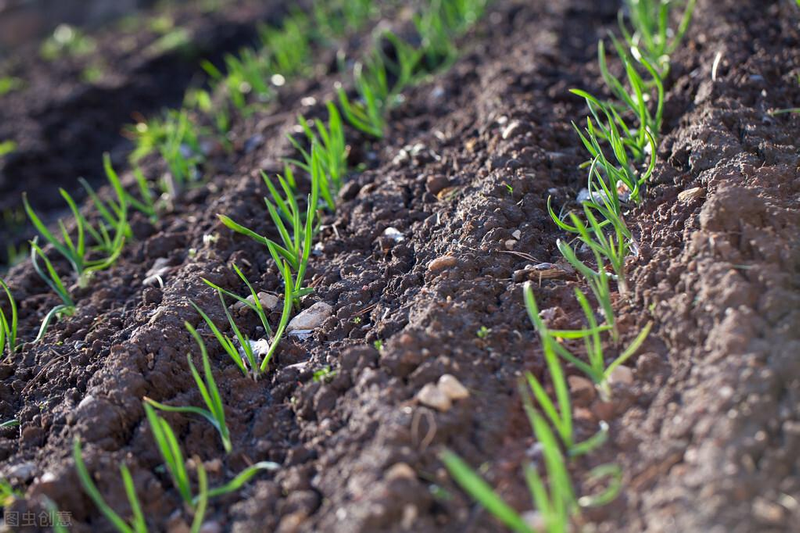
Owing to the different growing seasons, the management of the spring and autumn periods of garlic seedlings varies。
Spring garlic: at the heart of the management of seedlings is the laxation of soils to prevent early rotting mothers and ensure the availability of seedling nutrients. The lesson learned from the multi-year planting is that “the head is deep, it follows twice, it does not hurt roots three times”. The time of the head is when the seedlings have two or three displays, when the roots are small in scope and do not hurt the roots; after the first four or five days, the second floor is made, but it should be shallow。
Autumn garlic: it is important to ensure a smooth winter break, so the management of the seed season is focused on forming a seedling. The main measure is to fatten the urea per acre with 10 kg of urea and to plough the pine soil when the garlic seedling grows to 2-3 leafs. Freezing of water before the soil is frozen and, in the case of areas where it is available, the provision of straw cover after the freezing has been completed, etc., to ensure smooth winterization of seedlings。
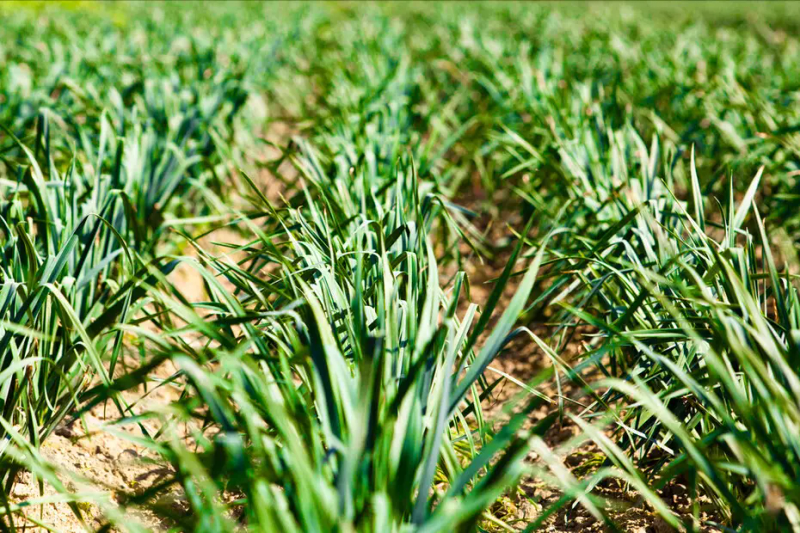
3. Management of sprouting and gushing periods
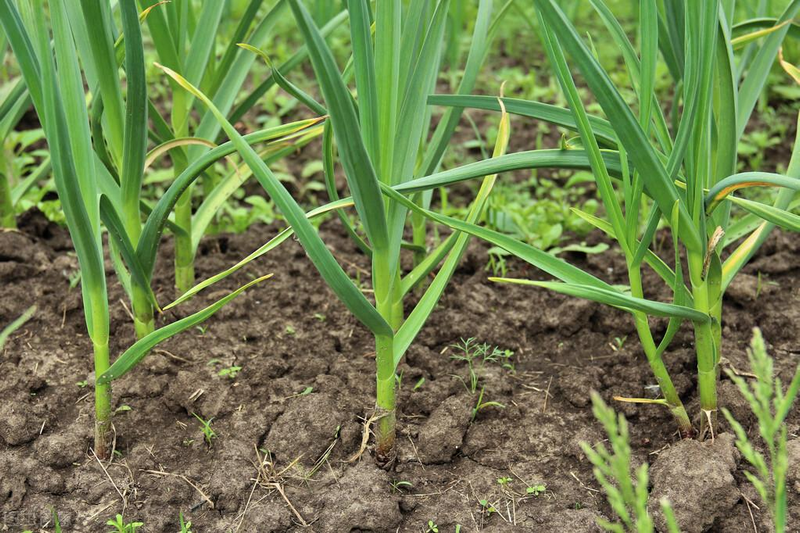
The availability of water and fattening during this period is crucial, as the growth of garlic enters a period of sprouts and flowering, when the nutrients provided by the mother petals are gradually reduced, and when growth accelerates, the demand for nutrients and moisture increases。
Autumn garlic is fed with water and fertilized with a recommendation of 20 kg of urea or 15 kg of potassium sulphate-type compound fertilizer per acre (recommended ratio of 15-18-12); and in spring garlic is available earlier because of its short life。
4. Long-term management of tubers (garlic)
Plumb extension is the most productive period of long-term nutrient growth for garlic and the most demanding period for nutrients, so the water fertilizer supply for this period is the best time to expand the stock of nutrients for late-stage garlic。
When the garlic “shows” is followed up with “catalytic fertilizers” in a timely manner, 25 kg of three cents of potassium sulphate-type compound fat per acre, and the soil is wet until the garlic is harvested and water is stopped three to four days before the garlic is harvested。
5. Management of the boom period
When the garlic harvest ends, the leaves of garlic cease to grow, and the growing of plants shift from nutrients to reproduction, i. E. Into the expansion of the spasm, where the focus of management is to prevent premature decay, to extend the function of the leaf and the root, and to shift as much nutrients as possible to the troughs while producing nutrients。
The specific measure for field management is the timely watering of the accelerator following the harvesting of garlic and, if the soil is less fertile, the combination of water application of the acre with the application of the accelerant urea 10-15 kg and potassium sulfate 5-10 kg. In the future, the moist soil will help to reduce the temperature of the ground and promote the expansion of garlic, in line with the phrase “the garlic, the mud”。
Of course, 0. 2 per cent of the potassium phosphate solution can also be sprayed on the leaves during this period to prevent the early decay of the plant。
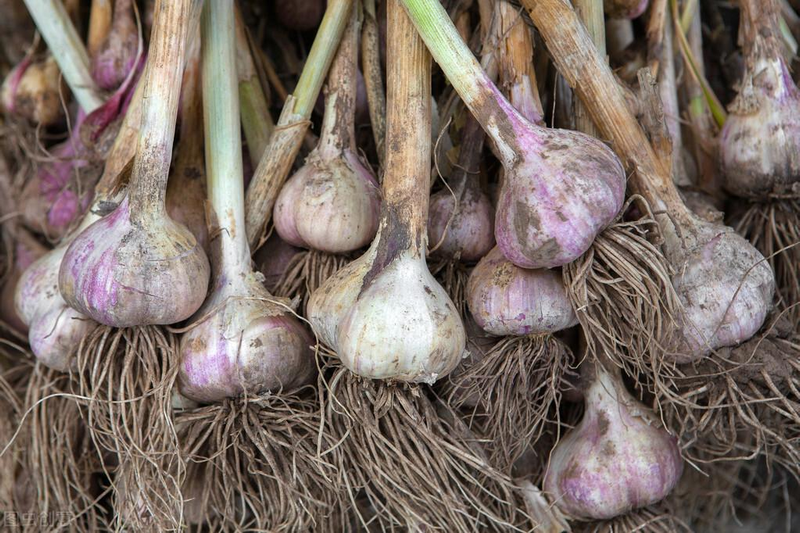
As opposed to other crops, garlic cultivation is relatively young in terms of temperature, water and fertilizer, but once we understand the growth properties of garlic, it is accompanied by precise field management that can yield good harvests



