Select the best species: species that grow fast, are resistant to fallback, have long, short reproductive years and are good for commodities。
Selective application of fertilizers: selection of deep, fertile or sandy soil, with no seed of garlic, 5,000 kg of farm fat per acre, 30 kg of compound fat, 1-1. 5 m wide and 10 metres long。
In due course: onion spring in mid-march, 2. 5-3 kg in acre, covering the earth, covering the membranes, 6-7 days of seeding。
Field management: regular weeding and pest control using the “light watering” approach。
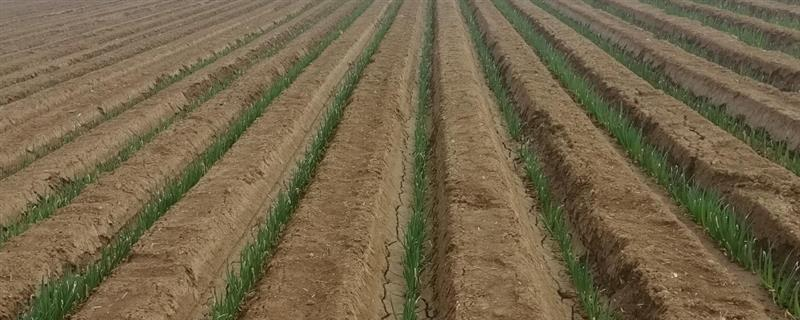
I. Cultivation of the spring onions
1. Selection of preferences
The selection of fast-growing, invertable, coarse, short-lived, non-divisive, good-commodity varieties, such as twilight, chinese and hebei onions。
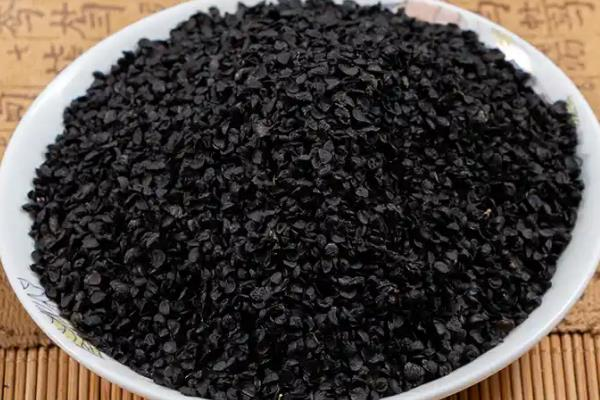
2. Selective fertilization
(1) a field shall choose between the deep, fertile, easy-to-drive, estranged or sandy soils of the earth, with the pre-planted onions, garlic, pickles, etc。
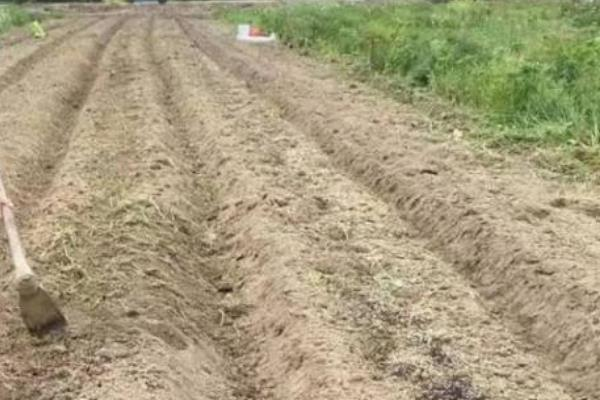
(2) a combination of 5,000 kg of high-quality farmers, 30 kg of compound fatty, culinary dredges, fertilized soil, made of 1 - 1. 5 metres wide and 10 metres long for field management。
3. Sowing in due course
(1) the planting of seedlings by onions, ranging from seeding to short planting hours, is essential for early transmission. The seeding took place in mid-march. Acres are usually broadcast from 2. 5 to 3. 0 kg, and an acre of seedlings can grow 6 to 8 acres。
(2) the seed is distributed evenly and then covered by 0. 5 cm thick soil, using the method of sowing, which is made from the ground before sowing, when the water is permeable, and the seeds are evenly mixed with the appropriate amount of grasswood ash or dry soil, and distributed several times over time; it can also be sowed with the seeds, dredged several times and watered with feet。
(3) cover the membrane, which is both warm, wet and early seedling, usually 6-7 days after sowing and 1-2 days early in the field。
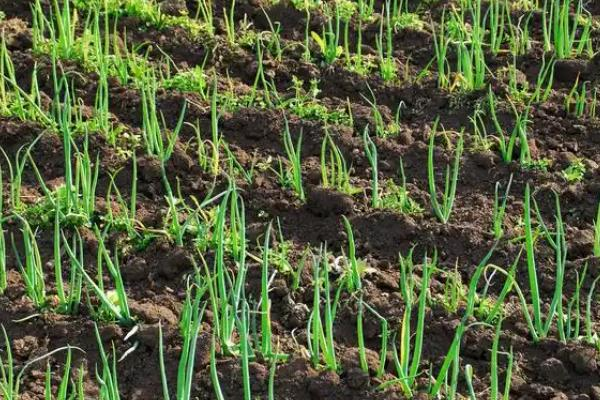
4. Field management
(1) discover the membrane when the onions come out in half in order to avoid burns. Upon discovery, the seedlings were found to be denser and early seedlings were found, ensuring the same nutritional area for each seedling. It is managed in a “promoting” manner during growth, with small water being used to keep the soil wet and ensure nutrient supply。
(2) as temperatures rise, seedlings grow, and demand for fatty water increases, the amount of water and fatting should increase accordingly, usually 30-40 acres per water and 5 kg urea per water. Care is taken to prevent weeds during nursery, which can be uprooted manually and can also be used as herbicides, while care is taken to combat maggots, to reduce the incidence of weak seedlings and to ensure that onions are grown in a consistent manner and that individuals are strong。
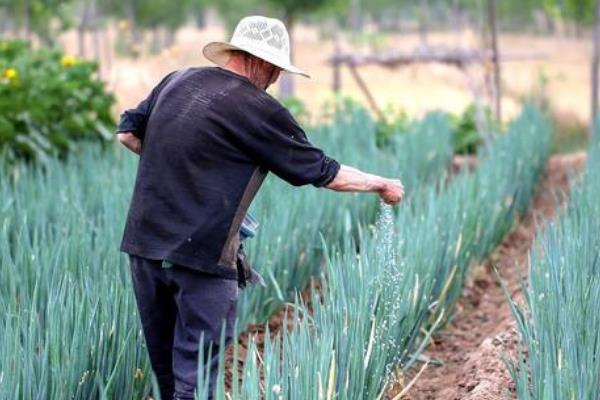
Ii. How can we store onions when they're rained
1. Laying onions on the ground for several hours, removing the soil from their roots, removing the sick and wounded strain and then tying them up to a weight of about 10 kilograms, and stacking them in a well-ventilated place for about six days, so that the water onions are completely dry。
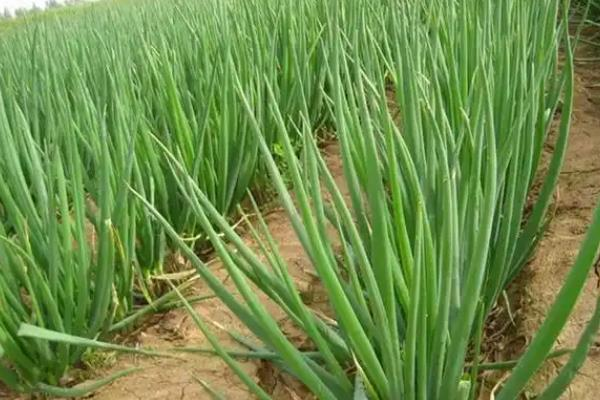
It then chooses to rewind and excrete the ditch, which is 50 to 70 cm, and places a bundle of onions next to them in the ditches, and burys the white part of the earth。
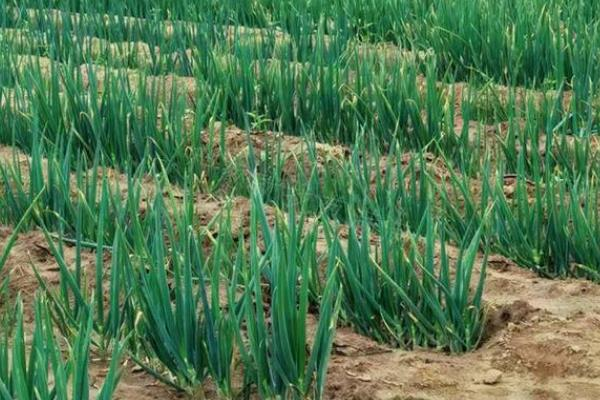
3. Cover it with straw curtains or corn straw before it gets cold。