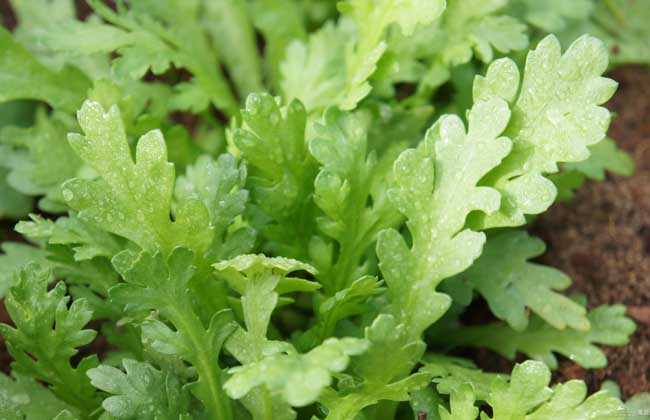
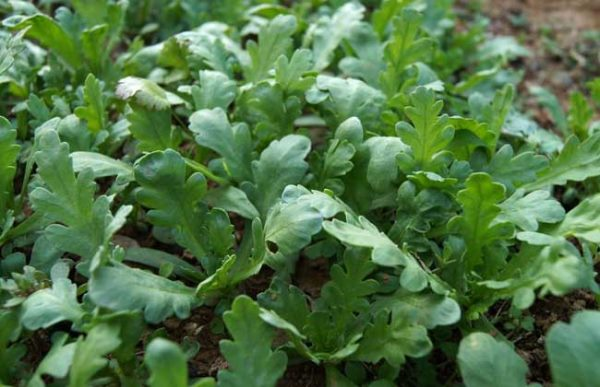
Artemisin is known as artemisinin, artemisinin, artemisinin, etc., and is an annual or second-year herbivorous plant, which can be eaten as a vegetable when it comes to brooding, which has been growing in our country for more than 900 years and is widely distributed, but with very small areas of cultivation in the north and south, and wild areas in hebei, shandong, etc., let's look at the price and method of planting
How much for an artemisinin seed
The price of artemisinin seeds is around $15-20, but varies considerably depending on the quality, variety, market and quantity of seeds. Artemisynthesis is based on leaves that are divided into large leaves, and small leaves, which are soft, small, of good quality and more heat-resistant, but which are cold, slow and late and suitable for cultivation in the south. Artemisin leaves are thinner, fragrance, thinner branches, fast-growing, cold-resistant, but less heat-tolerant, early mature and suitable for cultivation in the northern regions。
How do you plant the alpine seeds
Land selection: artemisium is not very demanding for soil, but it is desirable to select soil with deep soil thickness, estuarine humidity, organic abundance, ease of drainage and drainage, and neutral or micro-acid soil to protect fertility。
2. Fertilizers: perfume decomposition of chromosomes, 1,500 to 2,000 kg per acre, plus 20 to 25 kg of ammonium phosphate, are spread evenly in the field and tilled to plains。
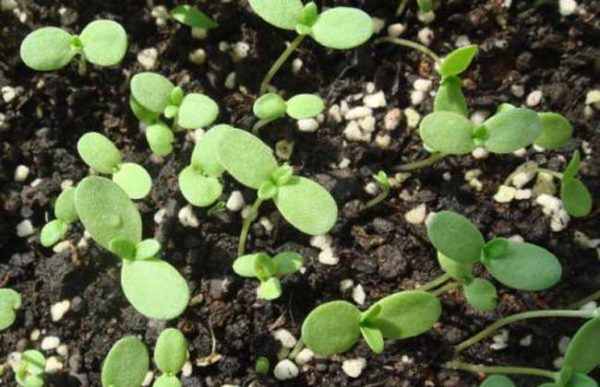
3. Leaching seed sprouts: three to four days before artemisinin seeding, seeds can be immersed in hot water at 30°c for 24 hours and then dried up, at 25°c conditions, and must be ploughed once a day, so that seeds can sow。
The method of seeding is live, broadcast, and broadcast by strip in artemisinin-based production, which normally amounts to 3 to 4 kg per acre, 1. 5 to 2 kg per acre, a layer of 1 centimetre of soil is sown and water is poured。
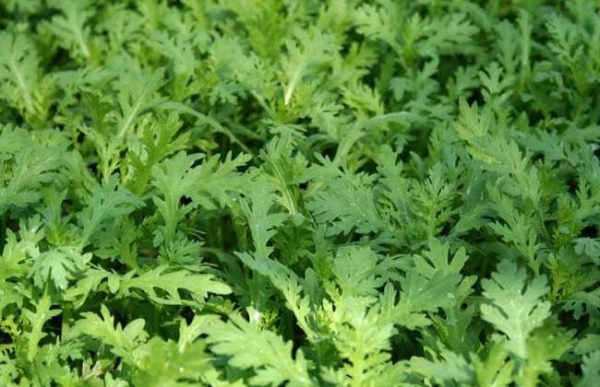
Artemisian cultivation methods
Time-bound seedlings: the seedlings can be produced within a week or so, with seedlings growing between two and three leaves, with a direct hand seedling, lifting up the dense seedlings with a range of 4 to 6 centimetres, which is too rare to affect production。
(b) the method of transplantation: the seeding of an artemisinin-based plant is carried out with a sickle, which is placed in a ready pot, and is then planted in a well-established field with a range of 4 to 6 centimetres, and then watered once, with nitrogen fertilizer 20 days after the planting。
3. Water management: artemisynthetic cultivation requires attention to water management, and in winter and spring, due to low temperatures, the seedlings should be properly controlled to prevent sudden fallout and frostic disease, and water should be watered on the basis of the seedling, usually once for about 7 to 8 days。
4. Reasonable pursuit of fatty: once in the range of 10 to 12 centimetres, once in every harvest, and one to two times in the form of urea per acre。
5 harvested and harvested: artesian strains up to 20 cm the harvest, which begins with 12 to 13 leaf leaves, should not be too late to affect the quality of the harvest, with the use of a sharp knife to leave 2 to 3 leafs in the stem, and to remove the yellow leaf for sale。
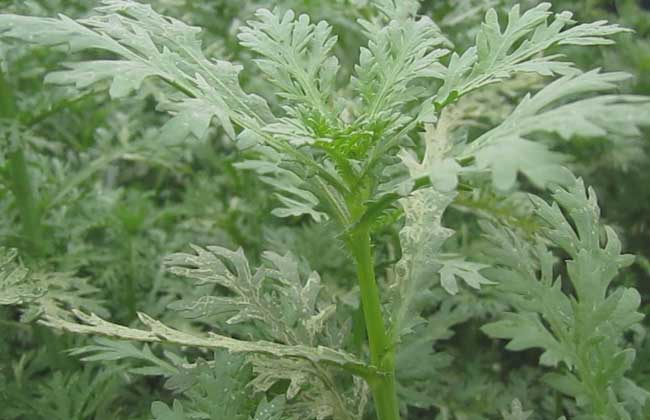
Artemistic pest control
1. Paradoxosis
[symptoms] endanger the foundational or underground roots of young seedlings, initially elliptical or irregularly dark brown spots, early morning atrophy, recovery at night, gradual dimming, spilling, sometimes becoming black brown and eventually drying, but not falling back。
In the early stages of [prevention of] the onset of the disease, 38 per cent of the fungic acid copper ester is sprayed 800 times, or 41 per cent of the polypolymamine 600 times the fluid, or 20 per cent of the methyl parathion cream 1,200 times the fluid, or 72. 2 per cent of the prick water agent 800 times the fluid is sprayed between 7 and 10 days。
2. Black spots
A small black-coloured dot on the [symptomological] leaf, which is later expanded or is followed by a series of irregular large spots, with slightly elevated edges and little black spots scattered on both sides of the leaf。
In the early stages of [prevention of] the disease, 4% of the antibacterium antibacterium 20 ml + 41% of the polyacinamine 20 ml, 15 kg of water, 5-7 days of one dose of medicine, 2-3 times。
3. Bacillus disease
[symptoms] tube base disease, first-born water stains, which later spread to light brown, causes tubular silt or fracture. The leaves are ill, with grey to brown and moist spots on the face of the leaves, and in the event of a high humidity, they appear in the form of palae, resulting in the decay of the leaves。
Twenty per cent of the pre-prevalence period was 30 ml of silica methamine + 25 ml of fungicide, 15 kg of water, one time for 5-7 days and two to three times。
Four, it's hard
[symptoms] eat seedlings, heart leaves, and light affect the growth of the seedlings, which can kill the heavy ones and cause the loss of seedlings. Aging larvae, in addition to larvae leaves, can also mutilate the marrow and root and can transmit bacterial morbid diseases。
When the larvae hatched during the festivities or at first sight the foetal and silk webs, 5 per cent of the drug was administered, or 4,000 times the cream spray was sprayed two to three times, with care to spray it on the heart。
Five, aphids
[symptoms] are often clustered in leaves, sprouts, buds, sprouts, so that the blades wrinkles, curls, deformations, and, in serious cases, leaves withered and even entire dead。
[preventing] 50 ml of emulsifiable concentrate per acre, or 1,500 to 2,000 times the product of the aphid series, or 20 per cent of aphid thorium 2,500 times the fluid, or 25 per cent of anti-sortium spray control。