Planting methods and care
I. Selection of suitable planting environment and timing
Guang yuland is environmentally demanding and prefers warm and wet climates, so that planting should be carried out in an environment of adequate light and good drainage. The best planting time is usually in the spring or fall, when the temperature is appropriate to allow the plant to live and grow。
Soil preparation and treatment
Guangyuland prefers micro-tacid to neutral soils (ph values about 5. 5-7. 0). Appropriate soil improvement is required before planting: appropriate levels of compost or organic fertilizer can be applied to increase soil fertility; it is also necessary to ensure that the soil is lax and well ventilated, and that water is not accumulated to cause root decay. For alkaline soils, ph values can be adjusted by adding substances such as sulphur powder。
Iii. Slim selection and planting techniques
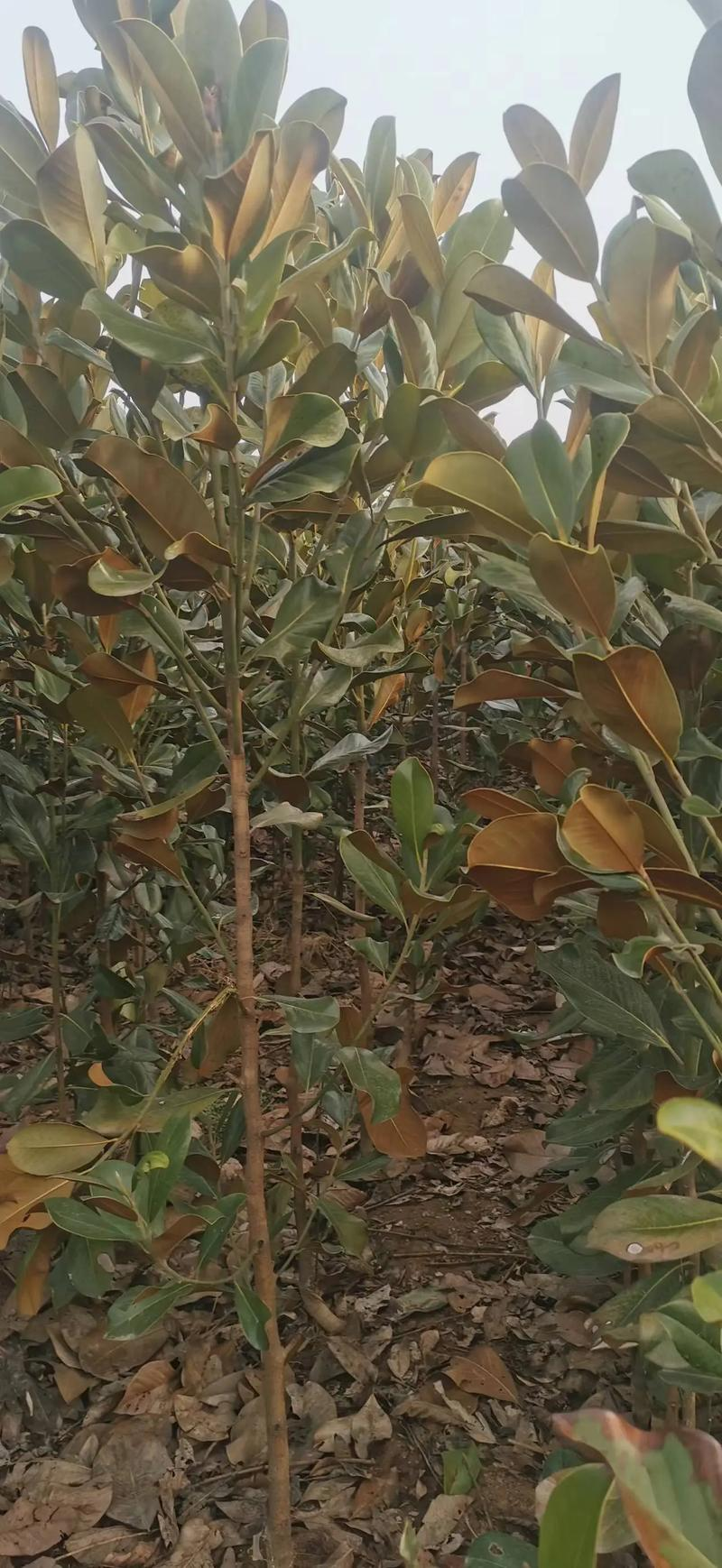
Saplings should be selected with care to select high-quality seedlings that are healthy, disease-free, well-established and full of branches. When the plant is planted, a pit larger than a ball is dug, the seedling is put in and then refilled with light pressure, and the water is poured into its roots. It should be noted that it is not appropriate to plant it deep enough to affect its normal growth and development. Tree spacing (generally 4-5 metres) should also be rationalized during planting to ensure that each plant has sufficient sunlight and space。
Iv. Daily management and conservation measures
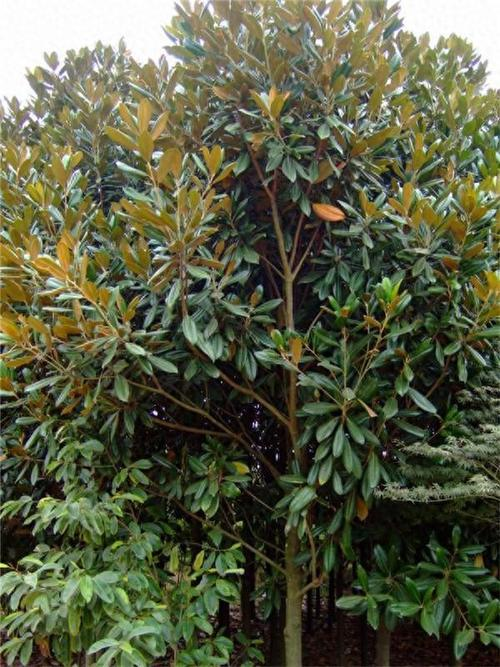
1. **watering:** guangyuland is resistant to drought and flooding and is based on the principle of “dry and wet”, avoiding excessive moisture and suffocation. In particular, during the rainy season, water accumulation should be eliminated in time to prevent root diseases。
2. ** fertilization:** production of a suitable long-term traceable potassium fertilizer of nitrogen phosphorus to promote strong growth of plants. However, care needs to be taken not to overdose in order to avoid the risk of obesity. The needs can be met once a year in spring and once in autumn。
3. **cutting:** regular trimping of dead leaves and twigs will help improve ventilation and promote new growth. The winter hibernation is the best time to re-cut, to shape a good tree and reduce the incidence of pests。
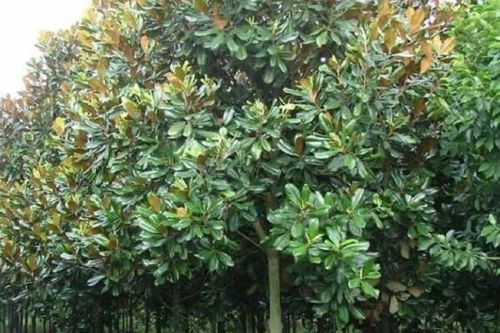
4. ** warming against cold:** in cold areas, appropriate measures to protect young trees from freezing, such as covering straw curtains or setting up wind barriers, are required during winter。
V. Common pest control strategies
The most common diseases in guang yuland are anthrax, foliage, etc., while the main pests include aphids, vermin, etc. In response to these problems, effective control through increased observation and timely physical, biological or chemical means is required. For example, leave leaves are regularly cleaned to reduce the source of pathogens; aphids are booby-trapped with cedars; or low-toxic and high-efficiency pesticides are sprayed when necessary (please follow strictly the instructions for medication). Prevention is always better than treatment, and the threat posed by pests and diseases to hiroshima can be significantly reduced through scientifically sound management measures。