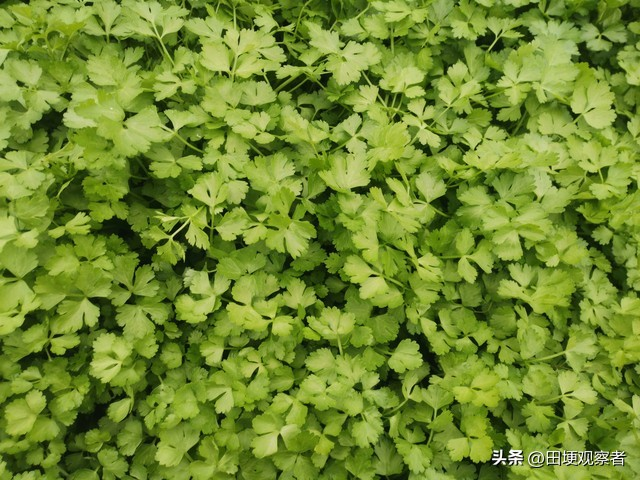
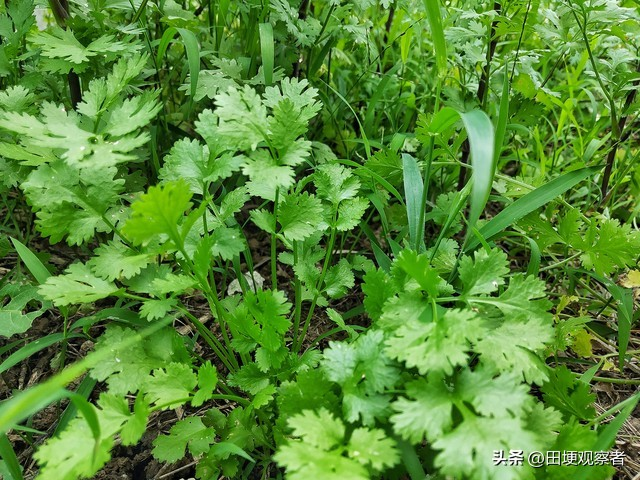
Quillery, which some love, and a vegetable, which others are annoyed with, how it is grown. Here is a detailed way to grow it。
I. Developments in cultivation
Selection and processing
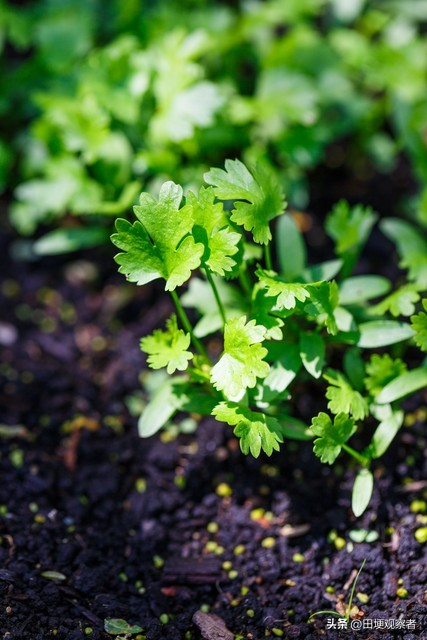
Varieties are selected: large leaf varieties (e. G. Thai cuisine, high yield) or small leaf varieties (smelling, cold-resistant)。
Seed treatment: fragmentation (light pressure cracks) + 12 hours bathing in warm water to increase germinate rate。
Soils and plots
Soil requirements: loose and fertile sandy sandy soil with no connection。
Whole area fertilisation: 20 cm deep till, acre application of decomposed organic fertilizer 2000kg + compound fertilisation 15 kg。
Sowing techniques
Time: spring and autumn (15-25°c), summer cover, winter shed planting。
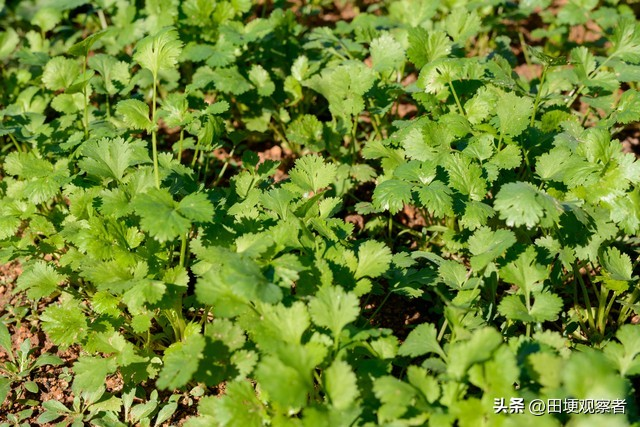
Mode: leather (with a distance of 15 cm) or soak, cover 1 cm and keep the soil wet。
4. Field management
Shizuku: 3 cm tall, range 3-5 cm。
Fertilizer: keep the soil moist and produce one or two long-term pursuits of nitrogen fertilizer (5 kg/acre urea)。
Temperature control: sunnet cooling at high temperatures, low temperature covering thin membranes。
5. Pest management
Diseases: plasma disease (polycinosis root), folic disease (dyson manganese zinc spray)。
Pests: aphids, leaf flies。
Collection
Period: 30 to 50 days after seeding, 15 to 20 cm high。
(c) method: the root is removed or the upper leaf is cut, and batch collection can extend the supply period。
Ii. Analysis of acre yields
Regular cultivation: 800-1200 kg/acre (open air, properly managed)。
High production conditions: the greenhouses can be carefully managed up to 1,500 kg。
Impact factor
Varieties vary: leaves are 20-30 per cent higher than small leaves。
Seasonal impact: more stable spring and autumn production, and reduced production at high temperatures in the summer。
Collection methods: multiple harvests are 15-20 per cent higher than total one-time harvest。
Iii. Efficiency gains techniques
Enrichment optimization: 15 cm x 10 cm planting density with an acreage of 2-3kg。
Fertilizer integration: the drip irrigation system improves quality by combining leaf fertilizers (0. 2% potassium phosphate)。
Rotation: rotation with legume crops to reduce endemic diseases。
Reference to economic benefits
At the current market price of $6/kg, acre production could amount to $4800-7,200。
The cost of greenhouse cultivation increased by 30 per cent, but it could be sold at a cost of $12-15/kg in the off-season period。
Note: actual production needs to be adjusted to local climate and management levels, and small pilot seed areas are recommended for initial planting。