Blueberries, as a fruit rich in antioxidant and having a positive impact on vision and memory, have been well received in recent years. In order to meet the needs of family growers and professional fruit-farmers, this paper will provide detailed information on techniques for the cultivation and later conservation of blueberry trees, helping to successfully produce healthy and productive blueberries。
One, blueberry tree cultivation
1. Environmental readiness
Blueberry light, cold tolerance and fear of flooding require pre-planting to focus on control light, soil and containers. Families grow blueberries, which require at least six hours of direct light per day, with the best position on the balcony or window side. Blueberries are typical “acid plants” and soil ph values need to be contained between 4. 5 ~ 5. 5, with the use of corrosive, corroded peat (scale 3:1) or directly to purchase acid trophic soil. The pelvic plant proposes to use a ventilated pottery pottery greater than 30 cm in diameter, with pottery at the bottom to enhance drainage。
2. Timing and selection of varieties
Blueberries are suitable for spring or autumn planting. Cultivation in the spring takes place at a soil temperature above 10°c; in the autumn, it should be completed three to four weeks before the frost arrives. The selection of blueberry varieties suitable for local growth conditions, such as the northern high-crowded blueberries and rabbit-eye blueberries, is essential, not only for their adaptability but also for the quality of the fruits。
3. Cultivation steps
Before planting, the ground or basin is prepared, holes are dug or suitable soil is placed. The depth of the hole should exceed the length of the root system to ensure that it is fully extended. Blueberry seedlings are placed in holes, the roots are evenly distributed, then the soil is covered and pressed lightly to ensure that the roots are in close contact with the soil. After planting, the first water was poured and refilled the next day to ensure full contact between the roots of the tree and the soil。
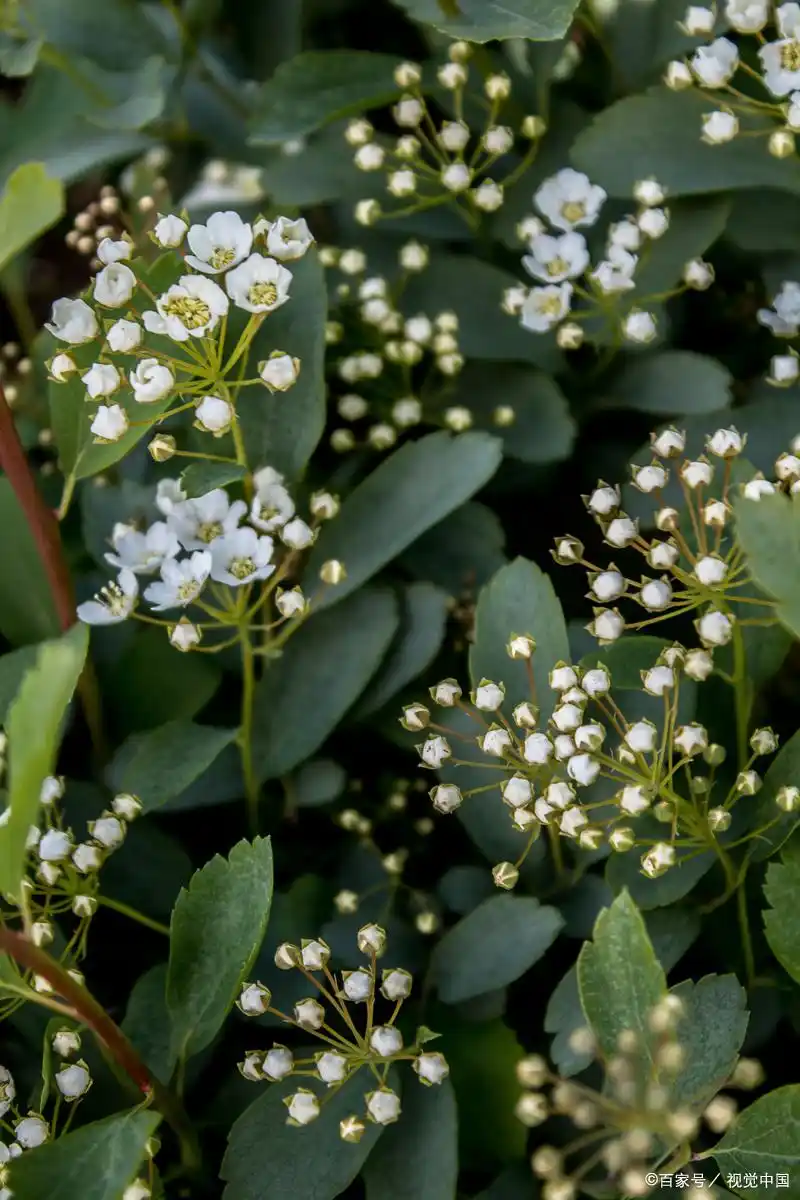
Blueberries
# # # second and later maintenance of blueberry trees
## 1. Water management
The blueberry roots are shallow and are mainly distributed within the canopy projection, with a depth of about ~30 cm and therefore more stringent for moisture requirements. Watering should be based on the “dry-and-wet” principle, i. E. When the soil surface is dry and re-watered. Spring and autumn 3 ~ 4 days a day, summer and night (in case of high noon temperatures), winter is reduced to ~ 10 days a day. Be careful to keep the soil wet while avoiding water accumulation in case of root decay. In times of drought, water must be watered in a timely manner, and in times of flooding, it must be drained。
2. Fertilizer management
Blueberries react better to organic fertilizers than chemical fertilizers and recommend the selection of organic fertilizers such as rotting compost, corroded soil, chicken dung and goat dung for fertilization. Every year, both early spring and autumn, the bottom fertilizers are applied, mainly in balance. During the growing season, fattening is carried out on the basis of soil and plant conditions. In the early spring, water is provided every 10 days, mainly on a balanced diet; potassium phosphate is sprayed once a week during the catapult season; and a large amount of potassium fertilizer is required during the outcome period to apply high levels of potassium-containing fertilizer such as grasswood ash and bone powder. Fertilizer is applied in a way that controls usage and avoids harm to the root system。
###3 shear management
Cutting is an important part of the conservation of blueberry trees, helping to reduce the evaporation of branches on the ground, prevent the pumping of strips, reduce the pressure of the roots to absorb water, facilitate root growth and promote the growth of the branches and enhance the tree position. Cuts should take place before winter hibernation (december-february of the following year) or spring bulge. Cut the dead branch, the weak branch and the overstretched branch, and keep 5 ~ 8 strong branches; after the result, the old branch shrinks by one third and promotes the emergence of new branches. When trimped, be careful to keep the branches high and low and increase overall light efficiency。
## 4. Pest management
Blueberries are vulnerable to diseases such as aphids, mites, vermin and folic diseases. Prior to planting, an equal amount of thorium or thionophos-methyl particles could be distributed in the soil to combat underground pests. During growth, leaves and branches are regularly checked and pests are detected for timely medication. However, it needs to be noted that fruit production minimizes the use of drugs in the long term and avoids the use of exhibition agents such as organic silicon to reduce agricultural disability and loss of pollen. The use of low-toxic and efficient pesticides such as amphibian is recommended, with attention to quantity and frequency of use。
Temperature and light management
The blueberries are warmer and more hot, but the fruits are not inflated by high temperatures. Therefore, the temperature differential is to be controlled at 15°c (12°c \\27°c) and the temperature is to be controlled below 28°c. When growing, the temperature and light can be regulated through sunnets and ventilation management. In the mornings and afternoons, the air in the sheds is kept fresh; in the event of excessive light, sunnets are added in a timely manner; and in the rainy days, sunnets are not required。
Weeding and cover
During blueberry growth, the presence of weeds should be observed in a timely manner, and if weeds are found, artificial weeding should be done in a timely manner to avoid harm caused by the use of pesticides on blueberry seedlings. After weeding, the soil can be covered to maintain soil moisture, combat weeds and increase soil organic content. Cover may be selected for organic matter such as pine bark, pine needles, which are approximately 5 cm thick and the edge is pressed to the ground. When covering, be careful not to keep the cover attached to the root branch in order to prevent a disease。
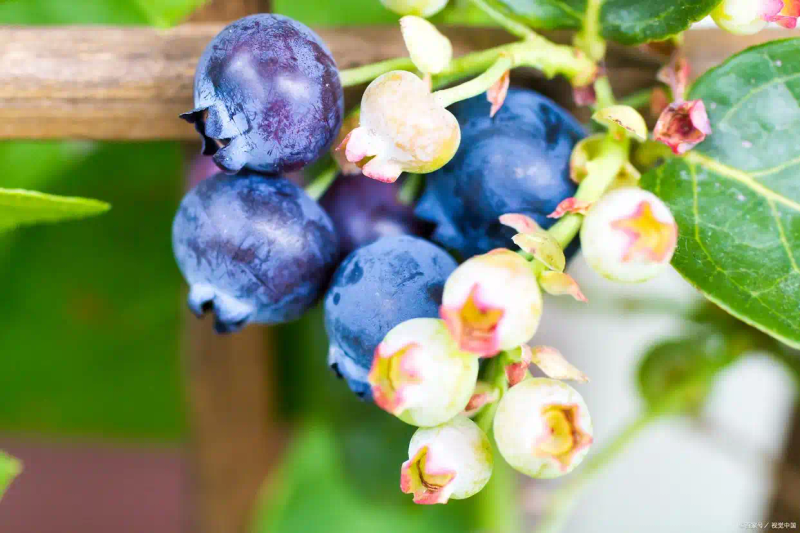
Blueberry results
# three, blueberry tree special conservation techniques
1. Humidity control
When the air is dry, water can be sprayed with blueberry blades or humidifiers, keeping between 50% and 60% humidity. Particularly during the long-term and outcome periods, maintenance of appropriate humidity contributes to the growth of blueberries and the development of fruit。
2. Acid soil maintenance
In the case of blueberries, soil ph is regularly tested during planting and adjusted in due course. If ph above 6. 0, blueberries will not be able to absorb iron, resulting in red new leaves with yellowing. At this point, adjustments may be made with the use of iron-sulphate solution (1:1000)。
## 3. Protection in winter
The cold winter in the northern region requires the transfer of pellets of blueberries to the interior (morning ~5°c environment), which can be protected by covering straw or cold sheeting. At the same time, care is taken to maintain indoor ventilation and to avoid too high temperatures leading to early blueberries。
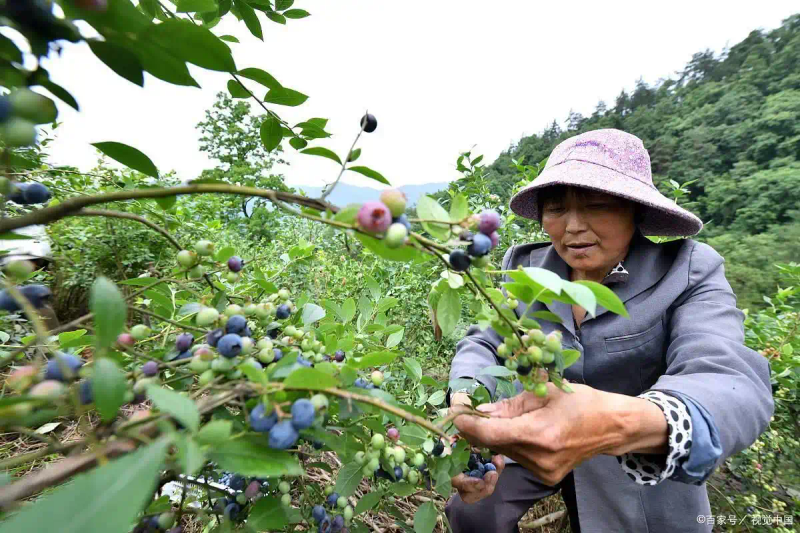
Blueberry harvest
#iv. Summarizing the cultivation and later maintenance of blueberry trees is a systematic project involving environmental preparation, planting steps, water management, fertilizer management, trim management, pest control, temperature and light management, weeding and cover. Only when these techniques are fully understood and put into practice can healthy and productive blueberries be successfully cultivated. It is hoped that this paper will provide valuable references and inspiration to a wide range of blueberry growers. # spring tutor scheme #