


Pumpkin, silkmelon, bitter melon, cucumber and winter melon are commonly grown and are found everywhere in the north and south. However, the cultivation of melon crops cannot be fertilized by water alone, most importantly by management, especially in the case of whole branches, where close friends find that in the rural areas, a number of sculpturing households, such as roofing, forklifting, etc., are used almost daily in the melon field. Although family farming is not managed daily, the proper whole fork would allow it to be condensed and made. So, like pumpkin, silkmelon, bitter melon, cucumber, melon, forklift? How many forks do you have on a single one? What do you need to hit? Let's take a look。
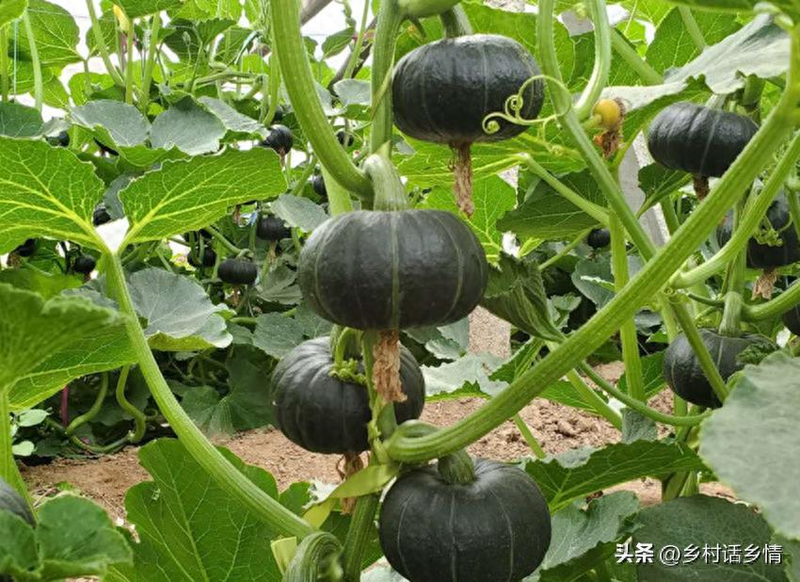
Pumpkin
There are many species of pumpkins, such as old pumpkins, potato pumpkins, beibell pumpkins, etc. However, because of the large number of forks, the whole forks are rare, and in general, the pumpkins need only two to three large chickens to be kept, and too many forks must be removed。
With regard to the top, this will have to be determined on its own merits, and the average pumpkin will not have to hit the top, but will simply have to take out too many parts of the chicken, which, like beibells, will be on the top of five to eight leaves, leaving two to three bars of the chicken cumber, or can also use two chicken branches. But for a friend who has no experience, it is not necessary to hit the top and let it grow naturally。
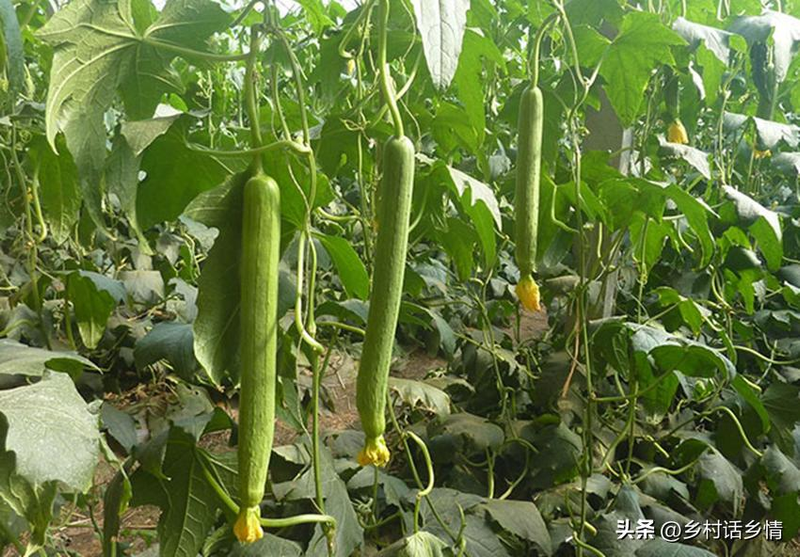
Smelter
The silkmelon is a crop that many friends like to grow, and it is often asked whether the silkmelon should be capped, but in fact the silkmelon is mainly dominated by the main chicken melon and generally not capped. However, there is a situation where the guacamole has grown to more than 2 metres and does not appear to be a guacamole, so that the guacamole can be capped, so that the cucumber will not be capped, as long as it is the cucumber。
Like other melons, the guacamole is particularly large and cannot be allowed to grow. First of all, the fork below half a metre above the ground will be removed, and two to three chickens will be left on it。
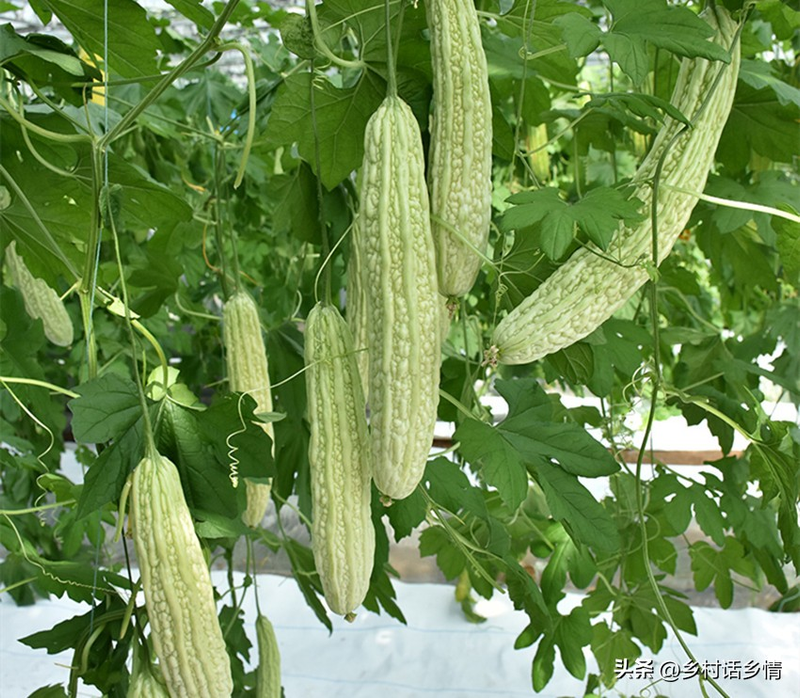
Bitter melon
The growth habits of bitter melons are similar to those of silk melons, which, in principle, do not have to take the top to allow them to climb naturally, because they are mainly in the main cranium, and therefore generally do not need to do so。
But bitter melons grow with a lot of side branches, and too many side branches affect the wind and the melon. Thus, the bitter melon needs to grow with the right side branches, removing some too many, too dense side branches, and keeping the wind and light。
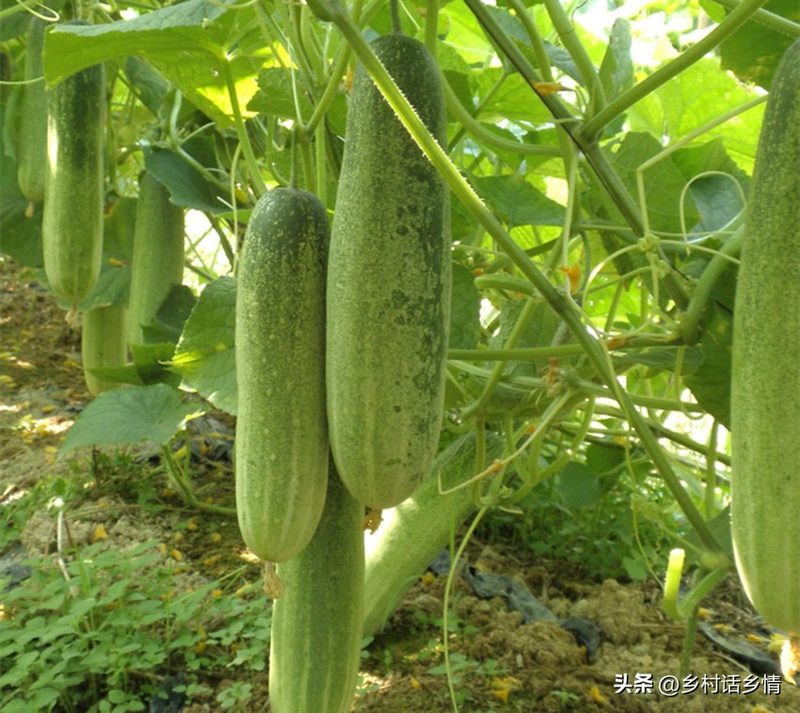
Cucumbers
Most of the cucumber species are dominated by the main cranium, which is also formed by the chicken, but not by the bulk of the cranium, which sometimes lasts as long as five or six metres, and therefore does not normally require a top。
The cucumbers will grow with a lot of chickens, and they will all be removed from the uncupposed chickens. They will be retained, but not by the chickens below half a metre on the ground. In addition, cucumbers are not enough for eight leaves, and some are removed, and more than eight leaves are left。
Poof
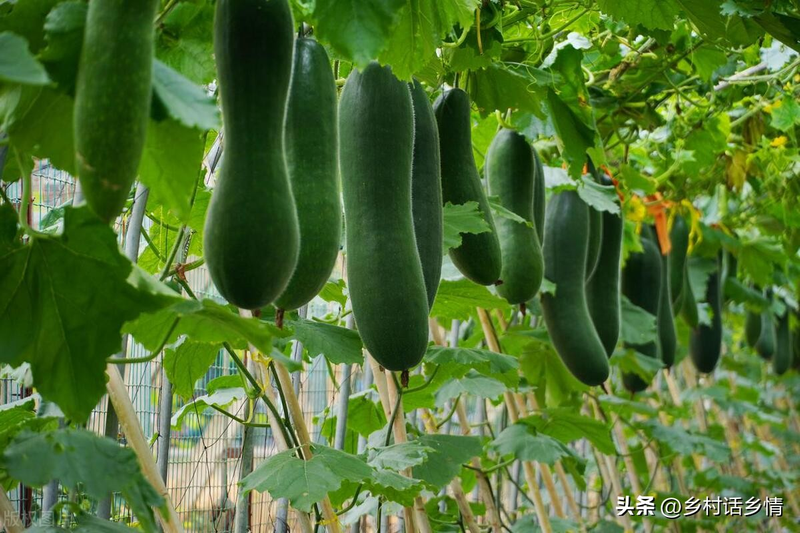
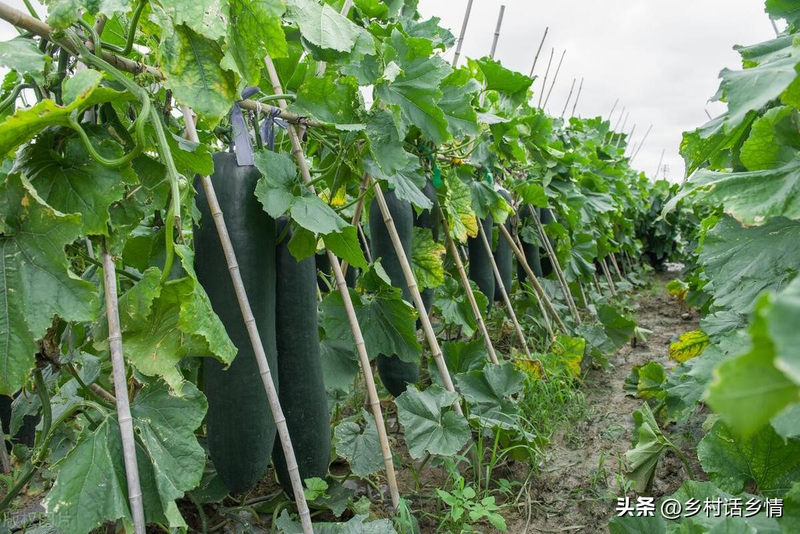
The winter melon is a vegetable that many people like to grow, like some big melons, and one of them has dozens or even hundreds of pounds. For large-scale melons, only one can be formed, and one small melon can have two to three, most of it in the main cranberry. So don't hit the top。
However, the main chickens of the winter melons also have split forks, which must be removed in time to keep a maximum of two。
In any case, those with experience in cultivation and management of the above-mentioned melon crops may, in the light of their strength, be able to do so in full. In the absence of any experience in planting and management, it is possible to take on natural growth and avoid inappropriate operation。



