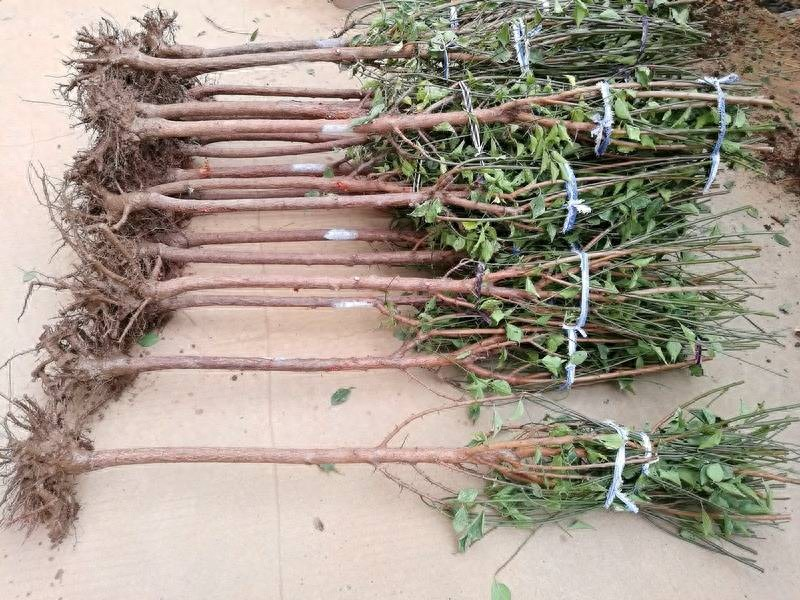
In the tree specification system, the measure of “two centimetres” refers specifically to the diameter of the plant's backbone at a certain altitude from the ground. This data is not randomly measured, but is based on prevailing industry standards, usually referring to the stem diameter of trees from 1 m to 1 m above the root neck. For flowerwood such as red plume, the 2-centimeter specification marks a period when the tree has passed the most vulnerable stages of its infancy, entering a period of “engineered” or “sapling” with more stable growth and early form. The tree size is usually more fully developed in its roots, with a certain degree of woodification in its trunk, which can store more nutrients and provide a physiological basis for post-plant adaptation and subsequent growth. In concentrated areas such as vanilla horticultural lands, such specifications are one of the key products linking nursery breeding and garden applications。
From the point of view of plant physiology and cultivation practices, two centimetres of diameter are associated with many intrinsic properties. First, it corresponds to a specific age range. Red plum is growing at a moderate rate, starting with seeding or seeding, and meeting this specification usually requires three to five years of careful nurturing. Second, it is related to the nutritional status and resilience of trees. A diameter of two centimetres means that the trunk maintenance system (the organization responsible for water, nutrient transport) is more developed and can more effectively support the light co-operation and evaporation of tree crowns, which are significantly more resistant to environmental coercion such as drought and low temperatures than smaller seedlings. Third, this specification is the basis for the formation of the form. At that time, the red plume, the backbone, was identified, and the main branch skeletons began to form, allowing horticultural workers to perform further insulations in response to the needs of the landscape and to develop different forms, such as monolithic and sprawling。
The production and cultivation of red plum seedlings around this specification involves a range of professional horticulture operations. In industrial clusters such as vanilla horticulture, tree production is characterized by diversity of varieties and specialization in operations. In addition to red plumes, the production areas are usually accompanied by the cultivation of species such as cherry tree saplings, purple tree saplings, seashells in the capital city, twilight bells, jade mackerels, red leaf beetles, grasshoppers such as the current season, reptile seasons, lush flower saplings, vive tree saplings such as the golden paste, small leaf aromatic vines, gelatin spears, aletails, etc., or bush plants such as falconballs, cucumber cucumbers, big leaf sows, small leaves chastity balls, and red flowers such as maggots, maggots, scrawling, crawling flowers, etc., which constitute rich product ecology. The production of red-mether seedlings is often integrated into this mature system, sharing technological processes such as seed-basket formulation, hydro-fertilizer management and green pest control. For example, they may choose to be saplings based on seedlings of plums, or near-specified species such as peaches, almonds, etc.; the timing and method of fixing, which are in line with bushes such as green plumes, platinums, etc., grown during the same period; and the criteria for the discharge of seedlings of their roots or of naked seedlings, which are similar to those of the earth。
There are strict technical points for the extraction and transfer of such trees. Red plume of 2 centimetres (cm) need to be treated before leaving the bed to adapt to the outdoor environment. At the time of planting, the size of the earthball diameter is often associated with the trunk diameter, which is generally required to be about six to eight times the length of the trunk diameter to ensure that there are sufficient absorbent roots. There are clear requirements for cave excavation, use of base fertilizer (which needs to be sufficiently decomposed) and depth of planting (which is usually appropriate for the neck and surface level or slightly higher). The plant should be immediately watered with water and support should be considered in accordance with the conditions on the ground. These technical details, which are consistent with those highlighted in the treatment of plants such as flower seasons, red hat seasons or serenas of the same specifications, are the rationale for the innovation limits to reduce the stress of shifting cultivation and facilitate the rapid integration of roots into the new environment。
At the landscape and ecological application level, the value of two centimetres of red seedlings is specified. Its application can be summarized as follows:
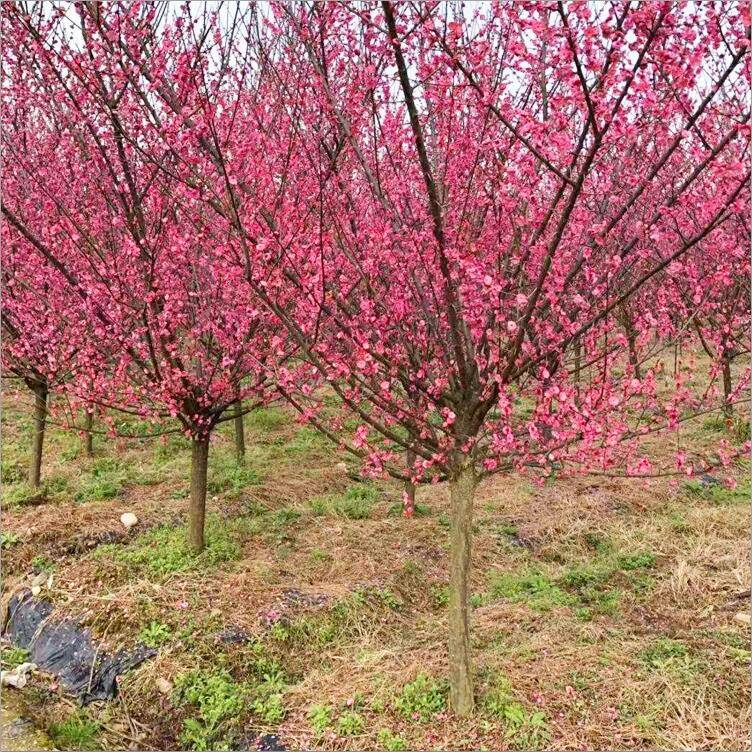
1. A separate plant is planted as a focus: using its embryonic tree position, it is configured at key visual nodes, such as courtyards, small parks or pre-construction, and is set up with landscapes or laid on sites such as maitron, corinth, etc., in phnom penh to create a classical landscape。
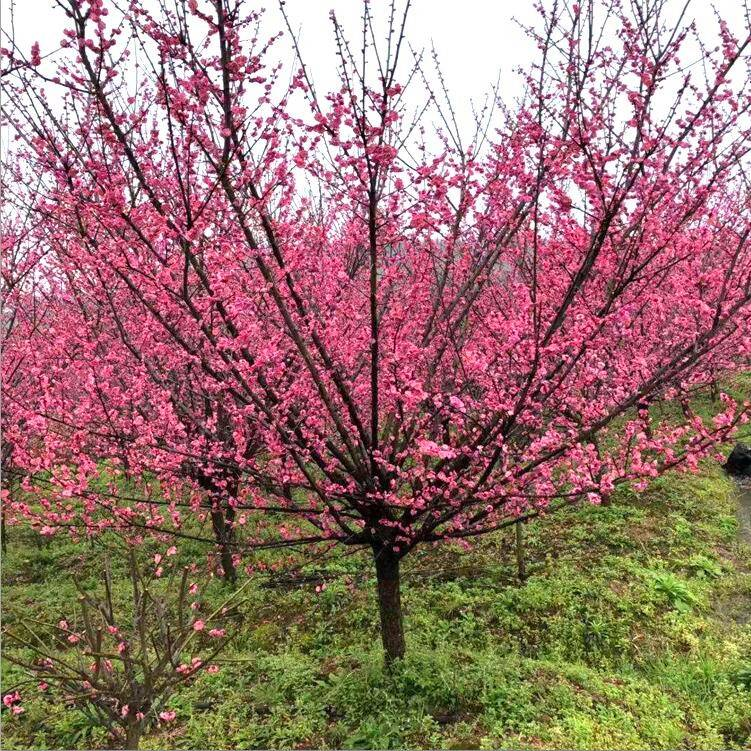
2. Participants grow to form a merrillin or bouquet: when used in bulk, a group viewing effect can be created in the “shoose sea”. It often coincides with green plumes and other early spring flower plants, such as crochets and spring seedlings, to extend the overall viewing period。
3. As high- and middle-level material in the flowerland: in a hybrid design, 2 centimetres of red plumes can be used as skeleton plants, which are equipped with common leaves, such as fur, red flowers and shrubs, as well as flowers, which grow in multi-year grass and grass seeds, to form a layered, four-seasond plant community。
4. For ecological restoration and greening projects: red plumes are more resilient to the soil and have some resistance to infertileness. In non-extremely harsh conditions, it can be used for urban and rural greening, for the greening of plants and for the ecological functioning of more resistant plants, such as the gyeon spears, the vegetable vegetable vines and the reptiles。
What needs to be identified is that tree specifications are not a high standard for evaluating plant health and landscape applicability. A 2-centimeter diameter is an important quantitative indicator, but it is by no means isolated. At the time of selection and assessment, diversity combines other key issues:
1. Root condition: whether the root system is developed, complete, or has severe or damaged, is more important than a simple dry path。
The proportion of the crown to the branch: whether the tree canopy is full, the distribution of branches is even, and the ratio to the backbone is coordinated。
3. General health: checks for leaves with signs of disease, pests, mechanical damage to branches or signs of disease。
4. Pureness of varieties: ensuring that it is a veritable red plum species of high value requires observing characteristics such as budding points, branches or relying on the credibility of reliable suppliers. There is a relatively low risk of mixed varieties in areas such as vanilla horticulture, where specialization requires well-defined zonal management of varieties。
In the light of the above, the understanding of “two centimetres of red plume” should be facilitated as a simple trade name. It is a comprehensive concept that includes a clear physiological phase, the results of specific planting techniques and the potential for their intended application. This specification is the result of a combination of natural growth patterns and artificial horticultural interventions, underpinned by modern tree industries such as the standardization and specialization of production systems represented by areas that cover many varieties, such as the current season of vines, cherry tree seedlings, purple tree seedlings and even seeds of various kinds. Ultimately, the realization of the value of the sapling depends on the technical compatibility of the entire process from science, regulation of transport, rational planting to later precision conservation, and any missing link may affect its successful transformation from seedling to view。