


Organic efficient cultivation techniques in the [fund project]
Project for the construction of a modern technology system for the pharmaceutical industry in guizhou (gzcytx-02)
Yang seung-wei and others
(paris polyphylla smith var. Chinis (franch.) hara.) liliaceae, which has been a plant of herbs for many years, also known as the seven leaves, the seven leaves and the iron lantern, is often born in the shades of the hillside forest or in the humid areas of the grass by the valleys, and is a commonly used important medium medicine. The heavy buildings, which are mainly drugged with dry roots, have the effect of swollen pain control, detoxification, cold liver convulsions, etc., and are often used for diseases such as haemorrhoids, swollen throat pains, twitching and so forth. The market demand for heavy buildings is high and is the raw material for a variety of medium-grade drugs, such as yunnan white medicine, yunnan red medicine capsules, thermal coughing particles, golden rehab oral fluids and building-coated capsules. At present, the market for heavy buildings is short of demand, and the source of medicines is mainly from wild resources. Due to the low productivity of the heavy buildings themselves, there are insufficient resources for wild medicine, and as market conditions rise, the demand for wild buildings increases and their resources are approaching depletion. To address supply and demand contradictions in the heavy-rise market, to protect species resources in the wild, to increase the economic benefits of mountain-specific crops, to increase the income of mountain farmers, to summarize key technologies for organic efficient cultivation of heavy-rises from crop selection, seeding practices, field management, pest control and harvesting and processing, to mitigate supply and demand conflicts in the heavy-rise market, to protect species resources in the wild, to increase the economic benefits of mountain-specific crops and to increase the income of mountain farmers, with a view to providing a basis for the conservation and exploitation of heavy-rise resources。
1 land selection
1. 1 land selection
1) selection of nursery grounds. Heavy-building seedlings tend to be concentrated in large-slept beds or out-of-door cold plots. The nursery land shall be chosen for a flat earth, and for a draining field, and for a plume rich in organic land。
2) land selection for cultivation. Heavy-storage plantations allow for the selection of the same plots of nursery land, but also for the construction of sunshields, as well as for the cultivation of shaded mountains。
1. 2 land as a whole
The whole land is ploughed deep into the earth, shredding the earth, applying organic base fattening (which can be applied depending on the fertility of the soil), allowing for drainage and management by splitting the soil, decomposing and flattening it, opening ditches, 120 cm wide, 30 cm high and 50 to 70 cm wide。
1. 3 sapbed treatment
In the ground as a whole, spraying of more than 50% of the fungus or 100% of the fungus or 70% of the humid powder of methyl sulphate is used for soil fungicide treatment, and after 2-3d, we begin to prepare the nursery. Slender bed specifications: the length is based on the size of the plot, 120 cm wide and 30 cm high; the slender bed is filled with water and the soil is dried up to sow。
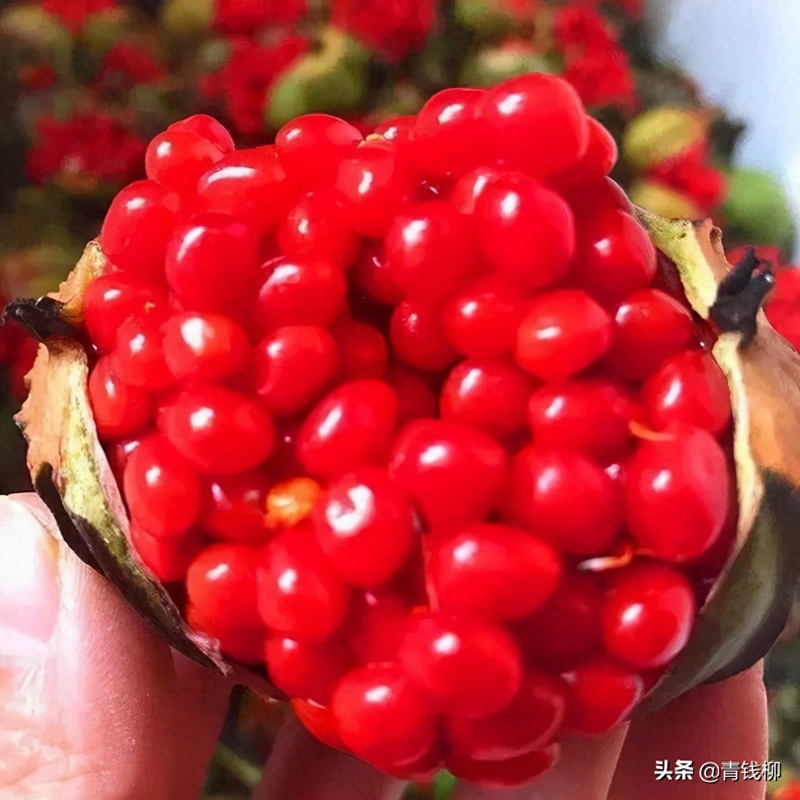
Seeds and seeds are being planted in yunnan
2 feeding methods
2. 1 seed reproduction
2. 1. 1 the maturity and saturation of seed collection and storage are key to the success of their seedlings, and therefore timely harvesting is essential. Usually, in september-october, hyenas are harvested when the seed skins inside them become red following the crack. Accumulations should be processed in a timely manner to prevent the accumulation of, etc. Put the collected berries in a gauze, rub them with flowing water, then wash them in the water, float out the pellets, the meat, remove the rotten particles, the granules and the undeveloped small seed, and the heavy-rise seeds are saturated with smooth, milky, white seed particles with a high level of satisfaction. Seeds are washed and dried in the cold of the ventilation, then mixed with wet sand to store under constant or cold temperatures, or the seeds are stored in refrigerators at 4°c for a period of not more than one year, and the seeds of the heavy-rises are embryonic in nature, cannot be dried up, seed dried, and after their appearance is lost to their ability to develop。
2. 1. 2 drumbing and seeding. A 1% multibacterium or enzyme cleanable powder soluble seed 1-2h, dryed and evened with sand, then placed in indoor seedlings, maintaining indoor temperatures of 18-22°c, 30%-40% humidity, and regularly inspecting sand humidity, so that seed is seeded in a timely manner when the seed is white and the root length does not exceed 0. 6 cm. Seeds are seeded in seed beds, usually in march-april. The seed roots are just covered. The seeding can be based on the local temperature conditions of a thin layer of loose needles or shredded straw or weed, keeping the earth's borders wet by 30 to 40 per cent and at 16 to 25°c, with a suitable temperature of 16 to 25°c。
2. 2 root reproduction
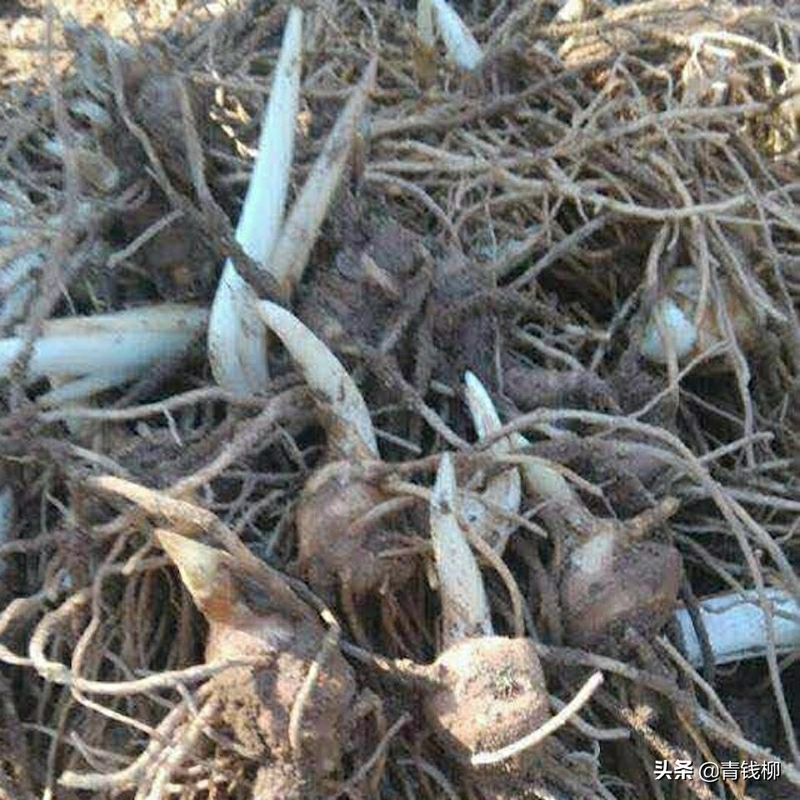
2. 2. 1 root transplants can be performed during the spring and winter seasons, usually between mid-october and early january of the following year. At this time, planting is conducive to the growth of the heavy roots and the growth of organs such as budding flowers, leaves, etc., and the seedlings thrive at a later stage。
2. 2. 2 root cutting select a strong, disease-free, morphological root. When the root is circumcised, the mouth is treated with cogulous ash or slurry and, if necessary, with root powder. The two-sect length (approximately 2 cm) of a heavy building, selected for disease-free and robust form, is cut, the root sprouts are kept between 3 and 6 cm long and the length of the cut cannot be too short, otherwise the seed rate is reduced, resulting in weak or irregular seeding。
2. 2. 3 the method of planting is to open a ditch horizontally on the side of the seedbed, deep between 4 and 6 cm, and to place seedlings in such a way as to place the top buds up, to protect the roots and the tops of the roots and to avoid damage during the process. In the process of planting, the soil of the second gutter was used to cover the previous gutter, such as push. The sprouts can be planted directly into the field, with a fixed transfer plant at a distance of 20 cm x 25 cm; and the sprouts without a sprouts, with a range of 10 cm x 10 cm. In order to keep warm, wet and resistant weeds, seed beds are covered with pine needles or thin straw after planting has been completed, which is suitable for soil-free thickness, with a small amount of water poured after planting, soil moist, or with the option to plant after rain; in the event of a dry climate, the water will need to be ploughed one time and then shaded with a shaded net。
2. 3 plantation
The seedlings should contain three to six leaves on the ground and may be removed only when the root of the underground part is fully developed, usually two years later. You can choose between mid-october and mid-november. After planting, you have to water your roots. You can also use rain to move. Plantation is carried out at a distance of 16 cm x 25 cm, with a twig of 10 to 80 cm deep, a budding point up when seedlings are planted, the dots on the roots remain stretching, the earth in the back ditch cover the previous ditch, with a displacement density of 15,000 to 17,000 666 m2. After planting, the root water will have to be watered or the option will have to be replaced by rain。
Field management
3. 1 cropping
Heavy-storey plantations require the soil to be lax and fertile, and when seedlings are grown, weeds should be pine and weeded when they are weak, so that weed can be weeded away and weeds can be avoided at a later stage, while no damage can be done to the heavy-storey part of the floor and its stubble roots, so as to avoid the infection of dead seedlings. During the rainy season, 5-6 months shall be rainy season, followed by heavy slabs of soil, which shall be dug in time for drainage, flood-proofing and, from time to time, pine fields, weed removal, soil laxation and pest control。
3. 2 following fat and strong roots
The heavy buildings are dominated by the application of organic and farm fats (feed manure, grass-wood ash and crop straw). Fertilizer methods: dry fertilizing or watering. The application should be followed by water once or before the rain to prevent the burn of the roots of the heavy building. In general, the soil is exposed to organic fattening from 3,000 to 3,500 kg/667m2 or agricultural fat from 4,000 to 4,500 kg/667m2. The roots of the heavy buildings grow more vigorously, usually the fastest in june-august, and in mid-may, according to the growth characteristics of the heavy buildings, the fats are pursued around their roots, and there are machines that are fat, 60 to 80 kg/667m2, and then we clear the ditches of the ground, while keeping the compartments and trenches free of water. Non-planted plots shall be removed from the fruit in a timely manner after the flowering season of the heavy building has spread in order to ensure that soil and plant nutrients are transported to the roots of the heavy building, to promote root growth and to increase production of the heavy building。
3. 3 mask
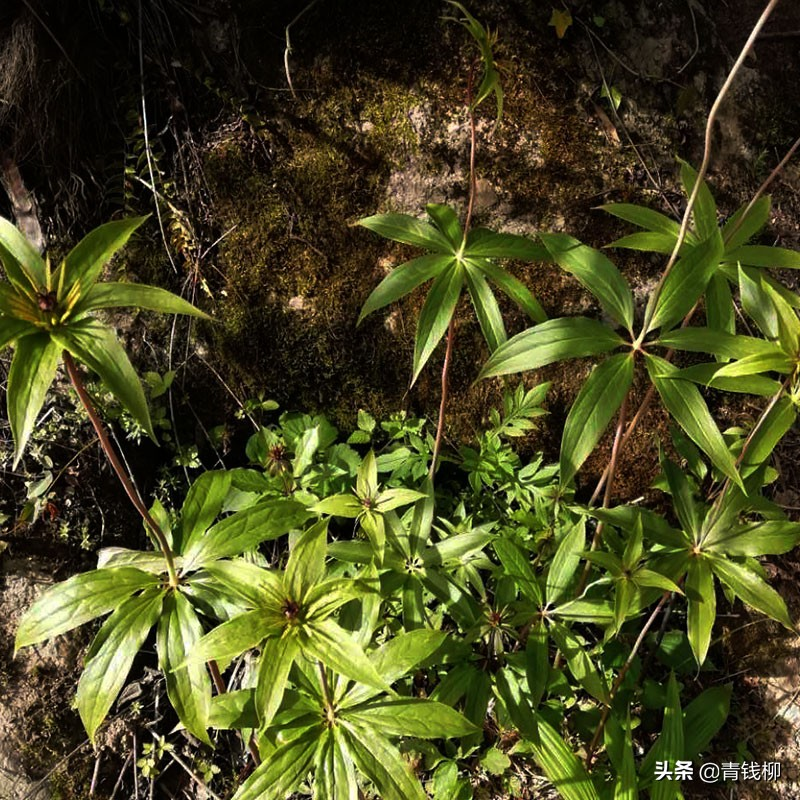
Heavy buildings, which fear strong light, are often grown in the shades of the forest on the slopes or in the humid areas of the grass by the valleys, and therefore should be treated in a timely manner. When it is promised to build a sunshield, take a net of sunshields with 60 to 75 per cent light; and, without conditions, plant it under a twig or under a forest, with a suitable combination of corn, sorghum, etc., to cover the shade and choose the appropriate tectonic method and density between the two。
4 pest management
The heavy buildings are medicines in the general population and organic cultivation must be used, so pest and disease control should be primarily preventive, avoiding the widespread use of pesticides and choosing organic pesticides as much as possible. In long-term practice, it has been observed that diseases common in heavy buildings, such as stasis and black spots, and pests such as twigs, tigers and gold turtles, occur mainly in the later stages of growth of heavy buildings。
4. 1 diseases
4. 1. 1 rodent stasis occurs mostly in nursery beds, with high temperatures and heavy rainfall. Symptoms of disease: tan-coloured disease in the stem, which spreads, leaves fall under water, and rots in the stem during severe times. Prevention and treatment: 1) with corn, sorghum and wheat undergraduate crops are subject to rotation for more than three years; 2) pre-plant seed beds are sprayed with more than 50 per cent of the fungus or 100 microbacterium clean humid powder 1,000 times the liquid fungicide; 3) one anti-septic seedling is administered and microbicides are administered to prevent infection; 4) 95 per cent of the sodium sulfan sodium wet powder 1,000 times the fluid is used at the beginning of the disease in daejeon, with one dose of two to three times every 10 days。
4. 1. 2 symptoms of disease: leaf tipping or foliage produces round or near circle signs, which spread to the axle in severe cases and eventually turn to leaf and rot. Control measures: 1) pay attention to drainage, reduction of air moisture and reduction of morbidity; 2) in the initial phase of the disease, 5% of the bacterial toxious water solvents can be sprayed with 300 - 500 times the fluid or 50% of the methyl sulphate pneumocolant 1,500 - 2,000 times the fluid。
4. 2 pests
The guillotine and ground tigers are mainly responsible for root damage, with 90 per cent of the crystal trichlorfon 180-200g/667m2 being used to sow fragrances from 8 to 10 kg in the field. Gold turtles are infested with foliage, larvae eat their roots and use golden turtle bait for green control。
5 harvest and processing
5. 1 collection
Seed breeding is better in the sixth year after planting, and tubers in the fifth year after planting. Every october-november, when the heavy floor is strewn, it chooses to dig in the clear sky, with its hoes to dig in depths of 40 to 50 cm at the edge of the floor, and then slowly and slowly ahead, while avoiding damage to the roots of the heavy building and ensuring as much as possible that it is intact。
5. 2 processing
After harvest, go wash the mud and cut the leaves. The sprouts can be cut down as seedlings, the rest dried or dried, then packed, stored in a dry ventilated place, and the dry contents of the heavy buildings are good with thick, solid, broken white and pink。



