This pot grows to a full basin, plant and roots, and needs to be divided
(i) division
When the plant grows to full capacity #2019, usually in february-april or september-october, temperatures are more suitable for orchid growth, using a split approach, with one basin divided into two or three basins. Neither winter nor summer seasons are conducive to the survival of the plant, even if it does not thrive. As a result of the orchids, the strains are not overworked, usually combined every three years: it's fine. There should be at least two to three units of each of the branches, and no fewer than three units of quinlan, which would otherwise be likely to produce a seedling. Although “work credits” are “multiple”, they are often weak and less well developed. Of particular note is the very high mortality rate of monocultured tyrann。
In addition, it may be possible to do so without defusing the pelvis base by cutting the combined orchids off with scissors and covering the matrix. They are not separated until necessary basins are divided. This separation does not hurt the roots and does not affect the normal growth of the plant. When the old man's penis is divided, he'll grow fresh。
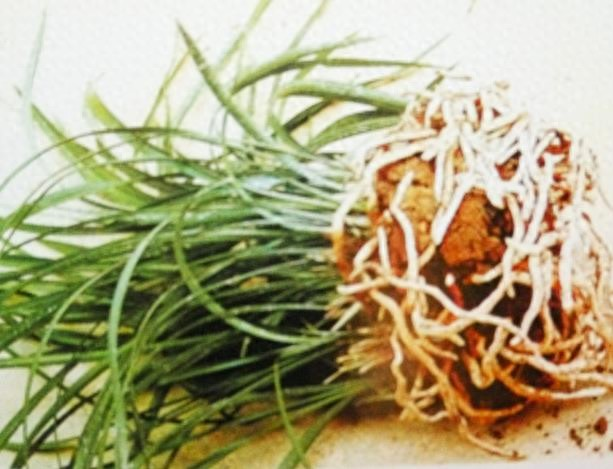
This pot grows to the full basin, and the plant and the roots are healthy, drying up, and the earth shakes lightly... And separates, and then the healthy strain does not have to be disinfected. If there's a diseased leaf or a rotting root, it has to be disinfected

Potassium permanganate solution can be used to impregnate the sterilised foliage with a spot or roots of decay
Do not fall off the subdivide
1. Select the barber for separation
2. Before cutting the orchids, burn scissors with a lighter. Scissors can be disinfected with alcohol
Do not drop off the partition (see the right location)
Find a proper cut point and pour out the matrix near the cut point
Pointing scissors to the point, cutting off the interlocking truncheons. Be careful not to cut langen
Non-debarment (post-processing)
Incisions with broad-spectrum pesticides (e. G., polybacterium) or grass-wood ash to prevent infection with the wound
It's a little bit of plastic foam to mark the cut
Non-defeating strains (segregated in the vagina)
It's in the shade of wet, ventilated air
No water showers for three days and normal management in three days。
The orchids are divided into old-fashioned saps. If chiang's old-fashioned penis is planted next to the bushes, it's not working well. It is not good to grow with a strong orchid, because the old sprouts do not require too many nutrients; if they rot, they spread the disease. Therefore, the saber should be grown separately from the old man。
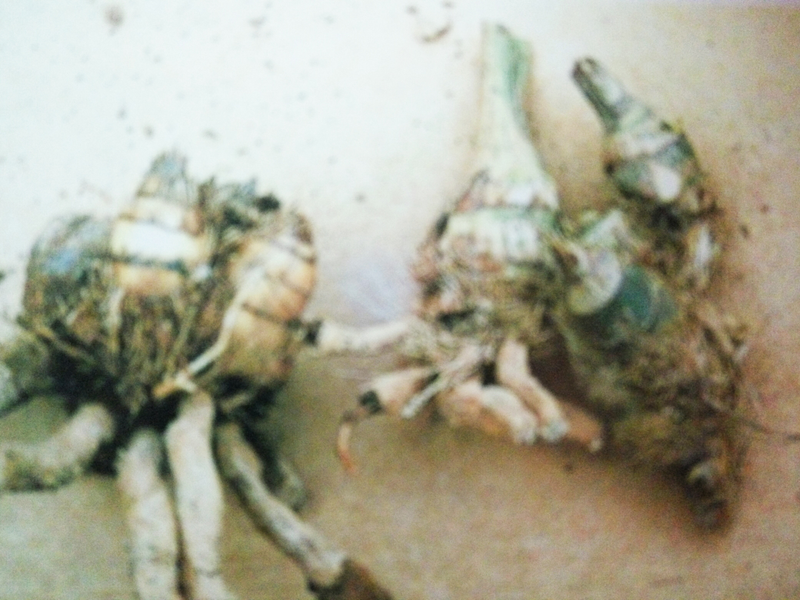
Old mangers can produce new orchids
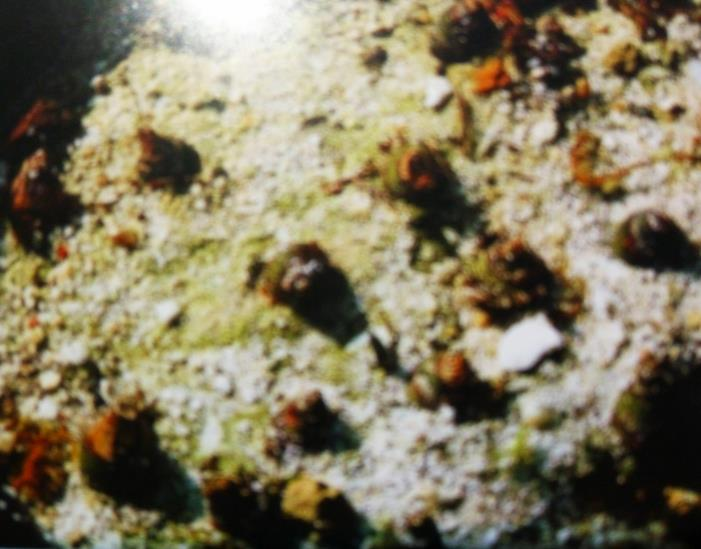
Before growing up, the mantle is poisoned with potassium permanganate solution, then placed in the sun by 9 a. M., tanned for 1-2 hours, then immersed with the orchid or root solution for five minutes, dryed, and last planted in clean sand or sand and moss mixture. Medium
(ii) plantation
1. Pre-plant preparation
Before planting the orchids, preparations must be made for the orchids, the orchids, the matrix, disinfectants, etc。
1 lame ready. The access is through self-harvesting, purchasing, gifts from friends and exchange of varieties. Whatever the method of obtaining orchids, there is a distinction between grass and grass in terms of adaptation。
Weeds are wild orchids that have just been harvested from the mountains, which are still raw and unincorporated. Weeds are highly resistant and tend to be easy to cultivate。
Straws are orchids that have been ploughed for more than two to three years under artificial conditions, including some of the traditional orchids that have long been adapted to ground conditions. Once it is placed on the balcony, there is also a process of adaptation to environmental change. Some modern orchids produce weeds that are resistant and difficult to cultivate。
In addition to the species selected, orchids should be selected for survival and growth by choosing more than three orchids that are robust, strong and disease-free。
2 base mass preparation. The soil shall be sifted and disinfected, and the soil shall be placed in a separate place。
Although most of the basics sold in the market indicated disinfection, they were unreliable and required further disinfection. Unprevented and imprudent use of the matrix could bring devastating bacteria to orchids. Therefore, it is preferable to kill beneficial microorganisms by mistake or to breed them. Useful micro-organisms can be replaced by, for example, the retention of 1/3-1/2 of the original soil at the time of the conversion, which can be blended into the new matrix as long as it is established that there is no fungus in it (still strong), or by mixing the bacterium in the base of human hypertemperature fattening, re-encumbering the back basin or re-watering biobacter。
The preparation of the 3-bland basins must match the size of the tubs with the number of plants, the size of the bushes that are planted, so as to be able to plant and have a slight expanse. For example, in planting three to five seedlings, a basin of about 15 cm calibre is usually used。
Preparation of 4-basket bottom pads. The market sells damp masks. If not, they can be made from a mineral water bottle or stainless steel grid, as well as from the bottoms of the pellets such as tiles, bricks, charcoal blocks and plastic foams。
5. Provision of disinfectant drugs, propanes, etc. Whether weeds are planted or weeded, they are usually sterilized and then dried and planted. Common disinfectant drugs are methyl sulphate (methyl tobuzin), polymix, potassium permanganate and medical alcohol. In addition, common tools such as buckets, sprayers, j9 cuttings, plastic sifts, etc. Should be prepared as much as possible。
Cultivation
When new seedlings are purchased, the dead roots, l and empty roots should be cut off, and the leaves-free old-leaved runners should be separated. After trimmed, the root is impregnated for 10 - 15 minutes with its own water, followed by methyl sulphate (methyl tobuzin) or potassium permanganate solution (both 800 - 1,000 times fluid), which is taken out and dryed in the shade until the root becomes softer (generally 4 hours to 1 day). If there are spots or insects in the blue leaf, the above-mentioned medicine may be used to impregnate first. If the damage is serious, the water shall be poured after the planting two days in order to heal the wound。
Orchids are grown two times on the balcony: three years later, they need to be replaced because of overfire or infrequentity in the orchids, as well as the substrates that are not humid, infrequent, non-fertilized, hyper acid or alkaline, infirmity, etc. When changing basins, the blue strains grown with a pellets-rich matrix can easily fall out of the orchids, but be careful not to damage the orchids, and if they are ploughed with corroded soil, then they should be pineed with bamboo and then washed with water. They are carefully observed and then divided, each of which should be more than three. The leafless old mantle should be separated. Finally, the method is the same as the new seedlings described above. Care should be taken not to damage buds and buds。
3. Post-plant management
The orchid must be watered for the first time. They can also be immersed (up to 2-3 minutes immersion in human water). If the basin base is insufficient, it should be filled. After watering it, put the orchid on the plate. One week in the upper basin and one week in the normal environment。