


Wood conservation management
“water and drainage”
Water is an important factor in the survival and growth of trees, which should be watered in a timely and appropriate quantity according to the type of tree, the season and the condition of the land. It should be more, more and less. It should be careful that new trees are planted with firm root water, with escalator water, and should be utilised over a certain period of time. It is desirable to have more water in the dry season and less or less in the rainy season. It can be fertilized in the long term. It should be properly managed before the hibernation period. It should be watered with an oscillation before water is watered, and the sheath should be sequestered with guarantees that it will not run, leak or fall below 250px. (b) the diameter of the tree: a plot of paved land shall be based on a reserve pool, without a plot of paved land, and the wood shall be approximately 10 times the size of the trunk of the tree, with a vertical projection or projection of 1/2。
The water must be re-irrigated, the frequency of which should be guaranteed every two days in the dry season, according to the spring of kunming's climate (february-early-may); the amount of water accumulated in the caves should be eliminated in a timely manner, and the amount of irrigated wood should be removed within a 12-hour period; and the irrigation facilities should be complete, such as dripping, leakage, etc., and timely remediation。
`decreasing'
1. Fertilizer selection
The application of organic, inorganic and specialized fertilizers is selected according to the wood species, the growth stage。
2. Time of application
The application shall take place during the hibernation period (november-january of the following year) between the fall of the leaves and the onset of the gestation; the recovery of the fertilization shall take place long after the gestation and until the autumn (january-october); the fertilization of the leaves shall take place in the morning or evening without wind or rain (at least within 3-4 days)。
3. Fertilisation methods
The base fertilizer shall be fully decomposed, the fertilizer shall be shredded, and the pursuit of nitrogen fertilizer shall be applied in a reasonable amount of quantity appropriate to the content and age of the tree; it may be applied by cycling, lavender or ditch. The cycling should be on the outer edge of the tree canopy positive projection line, typically with a depth and width of 30 to 1,000 px, and the grooves should be applied in such a way as to avoid injury to the roots。
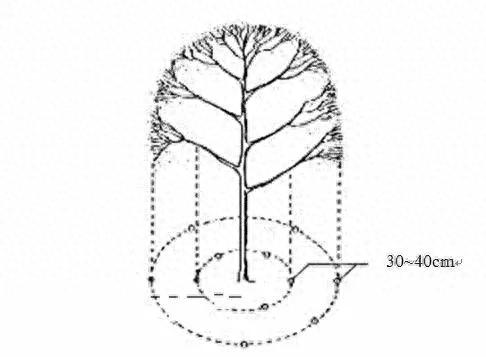
The application of organic fertilizers must be sufficiently decomposed and not be subdued to the surface 1000 px; the fertilizer must not be condensed and must not be subdued to the surface 250 px, and acidic and alkaline fertilizers must not be mixed; the broad leaves should be fertilized at concentrations ranging from 0. 2 to 0. 3 per cent (urea); the needle tree species should be fertilized with fungible roots; special measures such as flower promotion, flower suppression, and deflation may be used for regulatory control such as hormones, growth inhibitors, etc.; trees must not be fertilized to the leaves and water must be fertilized in a timely manner。
3. "write"
Frequent shearing tool
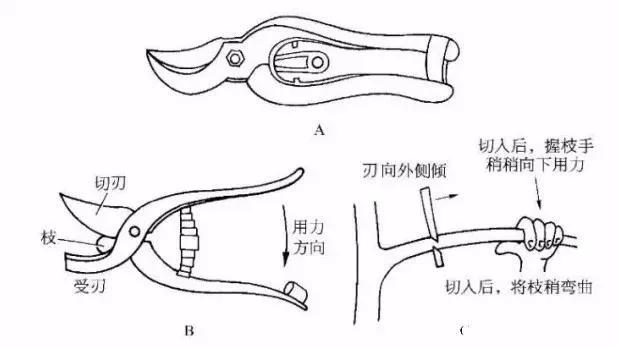
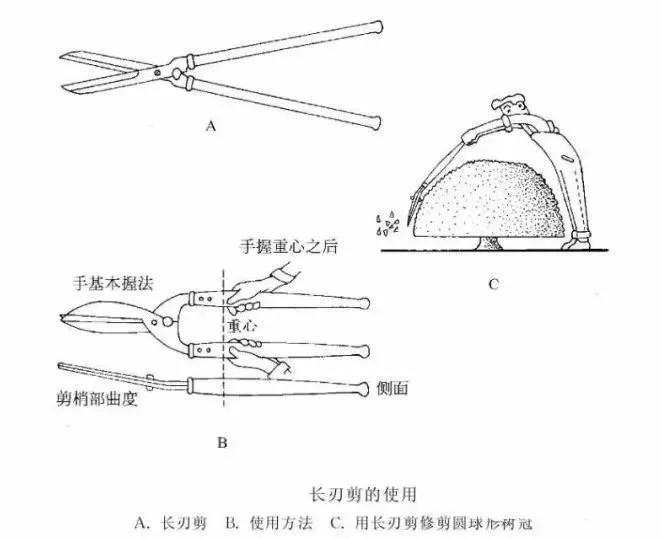
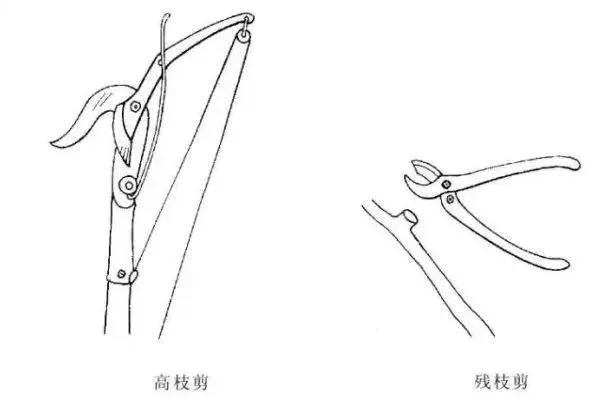
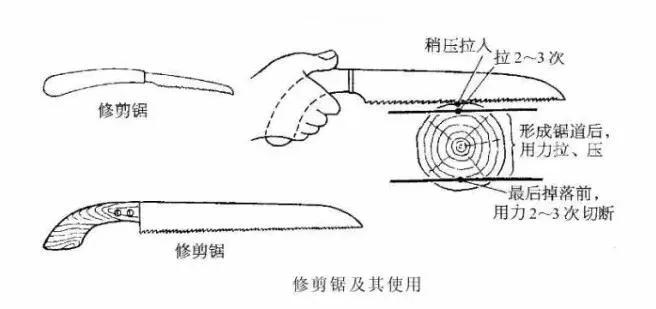
It's always green
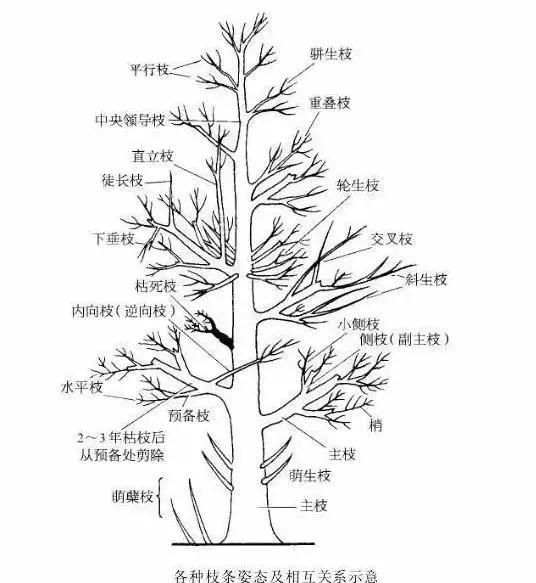
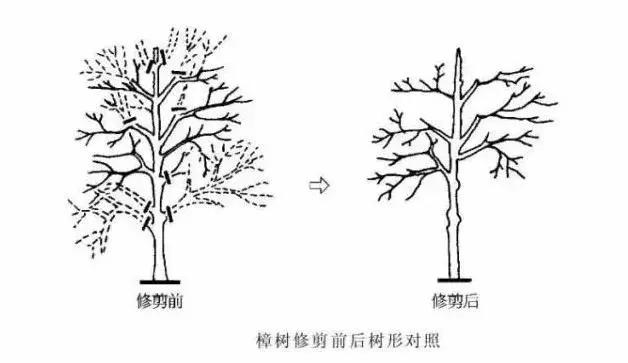
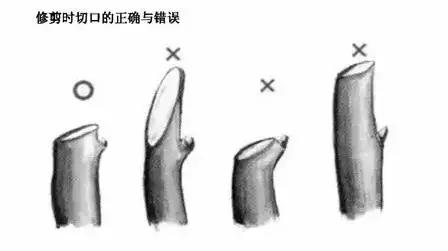
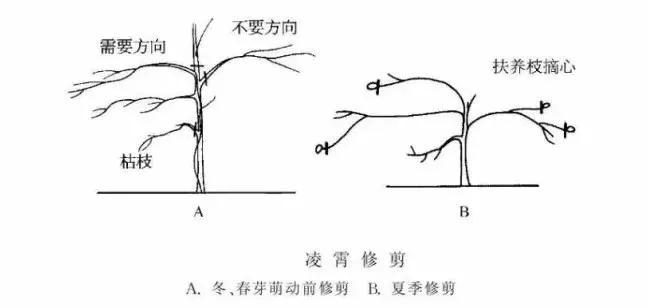
Tree trims should be adapted to the natural tree shape, branching and strength of the trees, and the growth of the central trunks should be promoted for the main tree species. Where the central trunk is weak or not visible, three to five strong, balanced and tilted branches may be selected as branches at a fixed dry height (2. 5-3m). Under the condition of maintaining the natural tree type, the trees shall be cut in a timely manner by long branches, cross branches and branches, and branches, and branches, and worms and dead branches. The cuts shall be smooth and the skins shall not be torn (attached as figure 1) and the branches cut from the base shall not leave a stick; at the time of the interception, the cutting bud should be capable of growing in the desired direction, and the cut should be 1 cm above the cutting bud。
The permanent green needle tree trim request
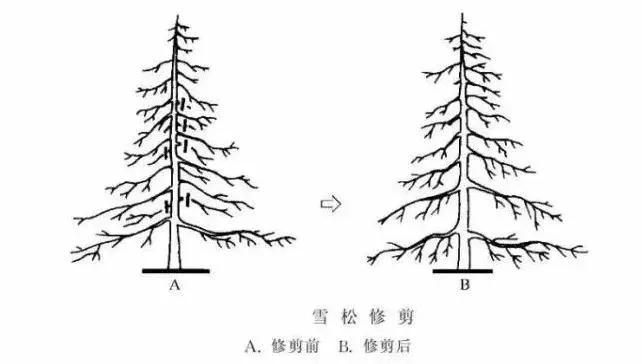
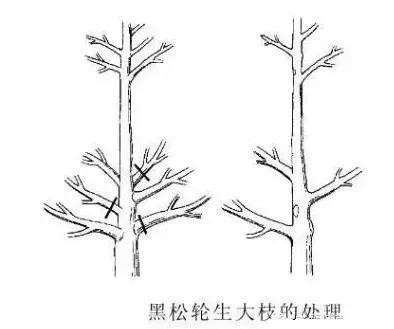
Accompany trees, such as corrosive and succulent trees, which have the advantage of the main axis of growth, should be kept in natural shape to protect the central leadership branch. Only insects and dead branches should be cut; trims should be left with 1 to 50 px pegs; trims should be trimmed with twigs or twigs, and some branches should be trimmed before the rest of them are healed。
The leaves cut is required
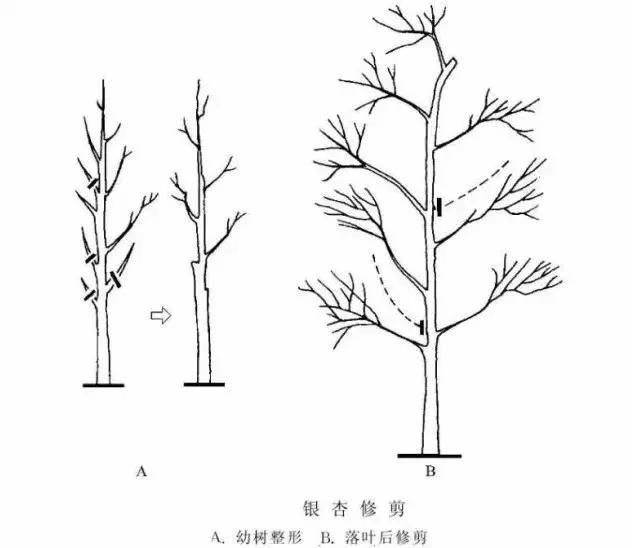
Trees with visible main axes should maintain central leadership branches; juvenile trees should trim the side branches of the main stem each year to raise the branch points to the required branch height; walk trees should be trimmed in due course and not below 2. 5 m (see figure 2)。
"clip job safety requirements"
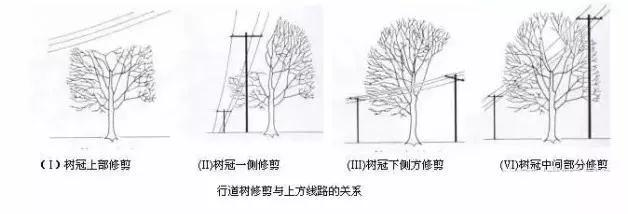
When cutting a sidewalk tree, special personnel must be selected to maintain order on the ground and to ensure the safety of passers-by and vehicles; when cutting close to high-pressure lines and other open-air lines, safety requirements must be observed and electrically protected or damaged lines must be complied with; the ladders of upper tree cutting must be secure, high-altitude operators must wear safety belts and high-altitude cutting machines must be strictly prohibited; various cutting tools must be safe and reliable, and power cutting tools must have safety protection components; the cutting of trees should end before the rainy season and should be carried out strictly in accordance with the relevant norms; and the field must have experienced technical personnel in command。
“crustlanding requirements”
In due course, weeds and vines around the trunks (e. G. Silk) should be eradicated in a timely manner, before the weeds grow during the boom season, so that they can be removed and removed early, so that they can be disposed of in a timely manner, in conjunction with compost, to prevent the spread of disease and pests; chemical herbicides should be applied in such a way as to prevent the spread of disease and pests by taking care of their concentration and avoiding human flow。
Shrub conservation management
“water and drainage”
In the spring (february-may) dry season, fresh water must be poured back. Summer (june-august) rainy season, with attention to drainage. The reservoir should not exceed 12 hours; water should be watered in due course in accordance with the biological characteristics of the bush species. Water should be watered in such a way that the water should be pre-empted to prevent an outflow; water should be watered in such a way as to be sensitive to the relationship between upper and lower plants, especially where there are needle trees, and water should be watered in an appropriate manner, without prejudice。
`decreasing'
Following the fall of ordinary trees, applied fertilizers and pre-sprouts followed by long periods of fertilization in the long run. The shrubs and the small trees dig an intermittent cleavage under the canopy, deep enough to reach the root line. The winter is deep and the firing ditch is close to the shallows and deep. The winter is dominated by organic-based fertilizers and the summer is dominated by quick-impact pursuits。
1. Fertilizer selection
The application of organic, inorganic and specialized fertilizers is selected according to the needs of bush varieties, flowering properties, growth and development stages。
2. Time of fertilization
Fertilisation is performed in due course in accordance with the flowering properties of the bush and the stage of growth and development. Flower shrubs can be fertilized before flowering, mainly for phosphorus and potassium fat。
Fertilization methods
Fertilizers may not be exposed, either by burial or by water application. Fertilizers should be applied in such a way that they do not touch the blades and water should be watered in a timely manner; the shrubs should be applied once a year and twice; the coloured shrubs and green fences should be applied twice a year and four times。
The shrub cut is required
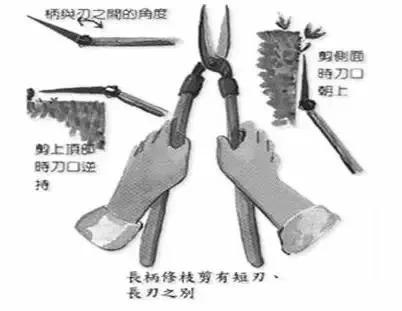
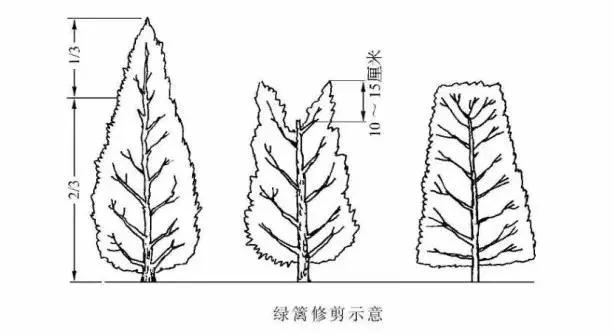
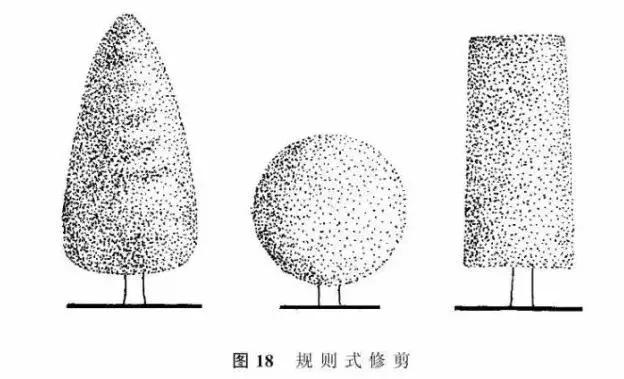
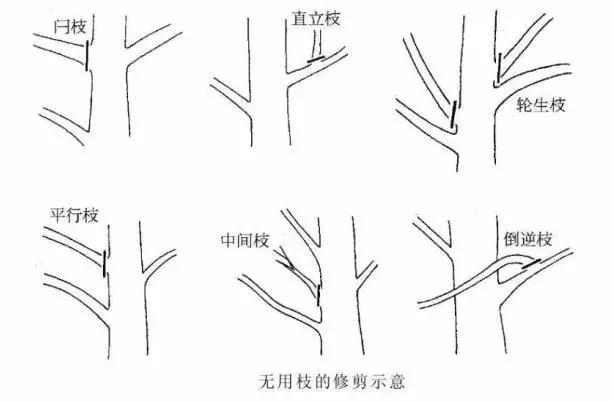
Based on the type and use of shrubs, the permanent green bushes shall normally be of a natural aesthetic form in the form of a swarm, in addition to special requirements, and shall be promptly cut off from long branches, cross branches and branches, down branches, spring branches, insect branches, insect branches and dead branches in order to maintain ventilation
Aging branches of bushes should be trained on the principle of “remaining old” or short periods the old branches should be updated; the flower shrubs should be developed in such a way that the flower trees that bloomed slightly earlier in the day should be trimmed before the early spring, and the short-lived branches of the previous year should encourage the new branches to grow. In the case of flowers forming in the current year, which bloom in the early spring of the following year, they shall be properly trimmed after the flowering, and in the case of old branches with low rates, they shall be renewed year by year, shall keep the old branches raised and shall not be cut short; they shall be trimmed not less than six times a year, green fences and trees shall be trimmed not less than one time a month, coloured trees shall be trimmed not less than six times a year, and the shape line shall be kept clear, surface leveled and rounded; they shall affect the landscape's effects in a manner of excessive force and for a period of time suitable for hibernation; they shall be trimmed and smooth, and they shall not be slashed in such a way that they may be slashed or cut in such a way that they may not be short; they shall be cut not less than six times a year, green hedges and stubbles shall be made not less than one month, and no more than six times a year; and they shall be removed in a timely manner, in accordance and with strict technical care。
3. “the requirements for cropping”
Cultivated in due course, the pine soil shall not affect the planting of roots, the removal of weeds around the shrub, and the pine soil shall, in due course, ensure the ventilation of the soil, and the weeds shall be removed at any time。
4. “replanting”
Dead shrubs shall be removed in a timely manner, and new trees of similar size and variety shall be selected for replacement; parts of the branches and leaves shall be trimmed without affecting the shape of the plant during transplantation
5. “cool, freeze”
In the autumn, the drainage of bushes should be completed, fertilizer should be stopped and water should be controlled to promote the drying of branches and enhance their resilience to colds; water should be watered in due course in winter, in accordance with the conditions of the bush and soil, to preserve soil moisture and prevent the drying of trees; the wind barrier should be put on the front and the wind barrier must be strong; and the cold-resistant bushes should be planted with cold-proof materials。
Fujimoto and the management of conservation of climbing plants
“water and drainage”
An appropriate amount of water should be distributed in due course according to plant types, seasons and field conditions. Care should be taken to replant the plant with firm root water, water support, and during a certain period of time; more water should be provided during the dry season and less or less during the rainy season; more water should be available for long periods of time; and water should be rinsed to ensure its growth needs. According to the early spring of kunming's climate (in early february-may), in the dry season, water is not less than twice a month. In autumn and winter, water showers were intensified to slow down leaves and extend the period of green leaves。
`decreasing'
Fertilizers in the vines can be applied to organic, inorganic and specialized fertilizers in combination with different varieties and stages of development, taking into account the requirements of fertilizing wood。
3. "write"
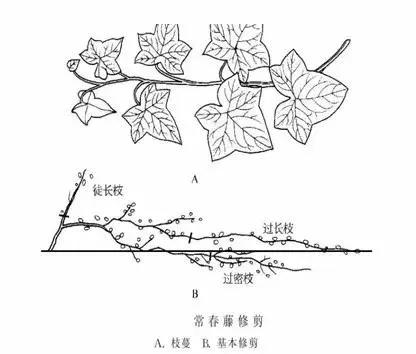
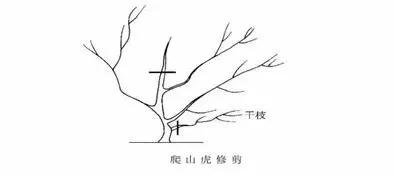
The vines should be routinely trimmed once a month, and once a year they should be trimmed to clean up the dead vines and smooth their distribution, so that they are evenly distributed and thick, and should be drawn in a timely manner according to different types and growth patterns; sheds: cold-resistant species need to fall down each year, cut the sick and weak branches, all of which are staggered with strong branches, and the cold-resistant ones will be strewn with old or over-streaked branches for several years away from the top of the porch; caskets: the main chickens should not be drawn too early, they should be strewned to cover up the top of the porch gradually; fences: the side levels should be lured and the side branches should be trimmed every year; a wall attached: a light shear should be applied to avoid the cavity of the genic space; and a straight line: a straight shear should be applied to a straight line。
4. “croplanding requirements”
It should be ploughed in a timely manner to maintain soil laxity and good ventilation. Pine soil is suitable for depth 6-225 px to the extent that it does not affect the root system and damage the base skin of the plant. Weeds and other vines near the base, such as silk, should be eliminated in a timely manner, before the weeds grow during the boom season, so that they can be removed and removed early, and weeds must be disposed of in a timely manner, combining composting and preventing the spread of pests and diseases。
5. “cool, freeze”
In the autumn, water should be pumped, fertilized and controlled, with a view to promoting dry woodization and enhancing the resilience to colds; in winter, water should be poured in accordance with the conditions of the plant and soil, soil moisture should be maintained and trees should be prevented from drying up; and, in the case of snow weather, snow should be removed from vines and sheds。



