Pumpkin is a tree that has grown for many years and is born in the tropics, mainly in parts of guangdong, guangxi, fujian and taiwan. Taiwan is currently the most cultivated area, having grown to 6,000 hectares, with half of its output exported to countries such as japan. In recent years, with the continuous improvement of varieties and the improvement of cultivation techniques, there has been a gradual shift northward of papayas, with the success of such varieties as taiwan's "red princess" and guangdong's "red 48" species in the central *** belt, with an acre production of 4,000 kg to 5,000 kg。
In addition to being rich in minerals and vitamins, papaya alkalis, which are highly resistant to cancer, and papaya protein enzymes that help digest and treat stomach diseases, are highly popular and promising。
The following are the main elements of their cultivation techniques:
I. Choosing good seeds to grow strong seedlings
The choice of good seeds and the nurturing of seedlings are the basis for productive quality. High-yielding “zoo”, “e-8” and taiwan's “national farmer one” and “red princess” are the best qualities to be chosen for the disease. The planting took place in late october and early november. Pre-plant seeds are sterilised with a multibacterium or 500 times the fluid of tobuzin, and seeded with nutrients. The breeding soil should be fully decomposed, rich in decomposition and free of bed and disease. The seedlings are carried out in plastic greenhouses or in small arch sheds to protect the winter before the december frost, at temperatures between 20°c and 30°c. Cumbers have been growing for four months to five, and care is being taken to keep the soil wet, and the amount of water available is decreasing as the seedlings grow, in order to avoid the growth of the seedlings and disease。
Ii. Selection of a garden and timely planting
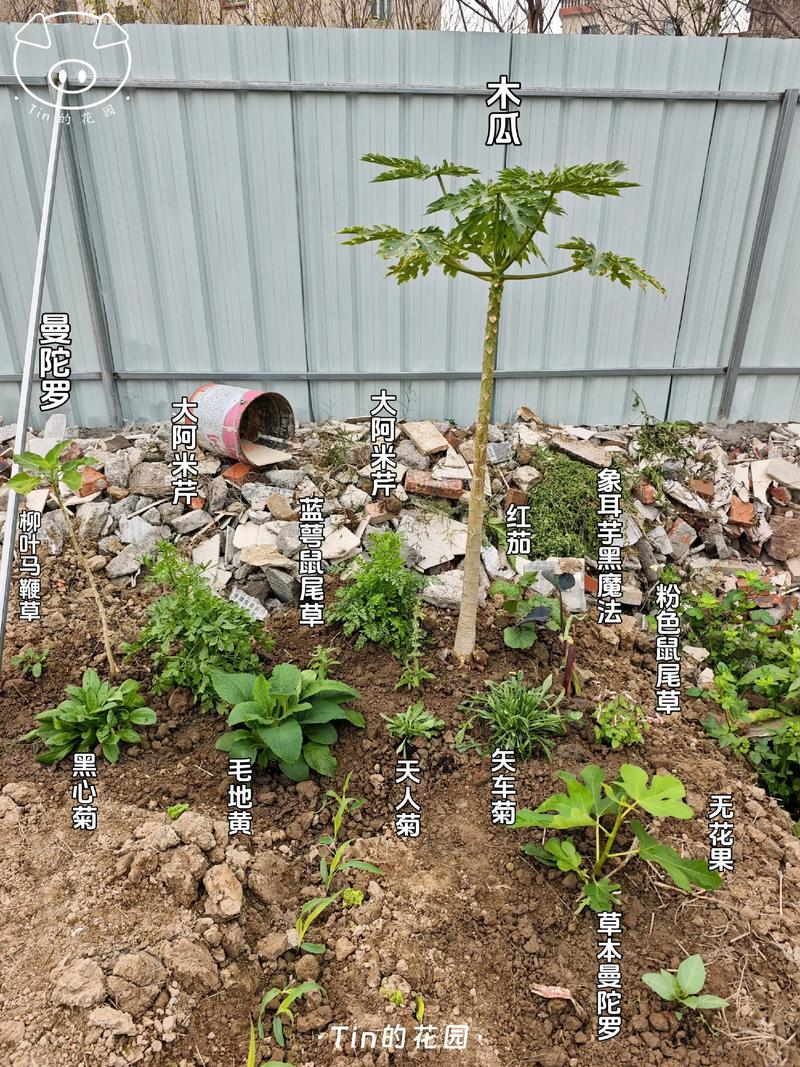
The choice is for sandy or middle-border soil with sufficient sunlight, well drained, acres to be fertilized with garbage from 3 to 5 tons, mixed into high 40 to 60 centimetres and 1 metre wide. At the end of march and mid-april, the seedlings were 40 cm tall. When seven to eight leaf leaves are found, the weather is selected to shift in time, with a distance of 2. 3 x 1. 7 cm and 170 acres. When the plant is removed, the den is dug to the appropriate depth, the nutritional bag is placed in the den, and the plastic bag is carefully removed and the ground is levelled and the root water is filled. The plant must not be too deep to rot the foundation. In the spring, low-temperature rain weather can be covered with bamboo-mounted membranes to prevent cold and snail eating。
Iii. Scientific transports, maintenance
Pumpkin plants are large, productive and require high levels of fertility, so attention must be paid to the handling of fertilizers. Fertilizers are applied every 15 days within three months of the planting, with 0. 05 per cent of urea sprayed with urea or urea environment, promoting nutrient growth of the plant. In june-july, after the flowering of the current bud into the reproductive cycle, 1. 2 kg of urea were used, 0. 75 kg of compound fat and 1 to 2 times of fat. In mid-august, the use of organic liquid fertilizers, microfertilizers and potassium dihydrogen phosphate was sprayed on the side, promoting the expansion of fruit and the accumulation of sugar。
Cucumbers are shallow, drought-resistant, and root water is impregnated for more than 24 hours, and water regulation is therefore essential. The dry season should be regularly watered and the soil moist, usually once to twice a month, with a dune immersion of no more than one hour, and the soil content should be controlled at about 70 per cent of the total water hold。
Iv. Scraping berries and combating pests
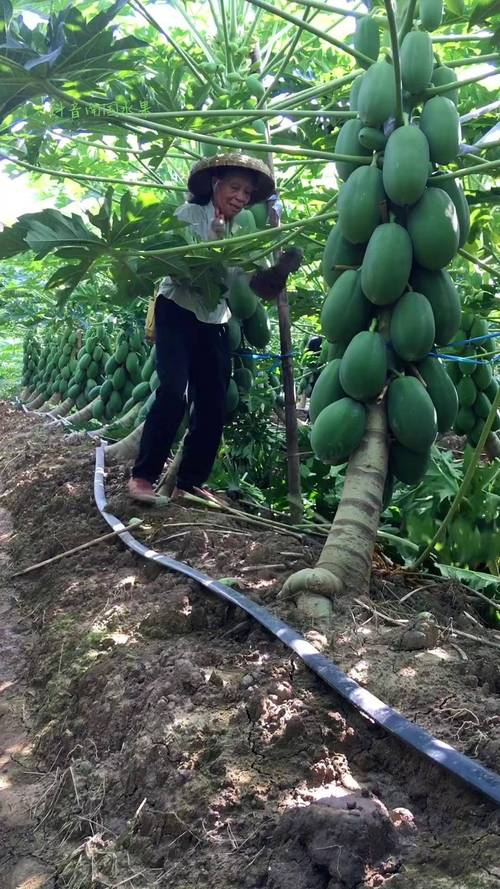
Array sprouts between young leaves can consume moisture and nutrients, delay flowering and prevent ventilation, so they should be removed early in the morning. In the outcome period, poor pollination, poor shapes, overcrowding and pests should be removed at all times, with 15 to 25 plants to facilitate a concentrated supply of nutrients and improve the quality and quality of single fruit。
The main pests of the papayas are anthrax, foliage and aphids. Diseases can be treated 50 per cent more than 500 times more than the fungus or 1,000 times more than the tobuzim, and aphids can be treated with 500 times more than the sterin。