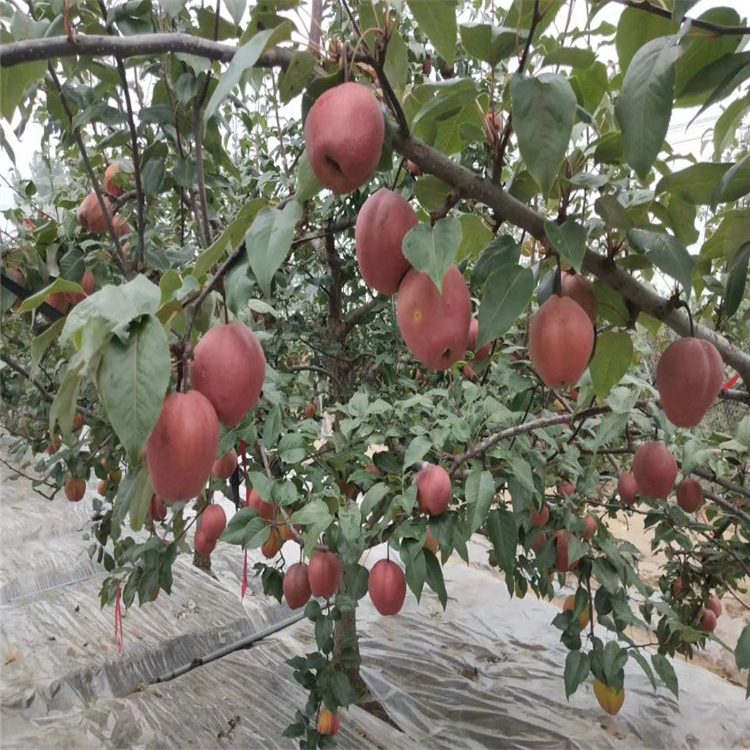
Pear no. 7: new pear no. 7 is the father of the shandong leyang college of agriculture and the university of tarryumu farming, and kulle shanyle, the mother's sex hybrid, has been selected for over a decade as a new breed of pre-maturated, productive and durable pear, with 2. 5 months of fruit on a tree branch. The rate of growth was fast, with flowers blooming in april and food available in mid-june. Natural harvests have a long duration, ranging from mid-july to the end of august, which is the same as medium-precision varieties. Taste is characterized by special soothing and thin skin, which tastes like guacamole, which is particularly good; it is very productive, most of which results in short fruit branches, with a single fruit weight of about 180 and a large fruit of 200 grams。
Technical guidance on the cultivation of pears in aqueous papayas
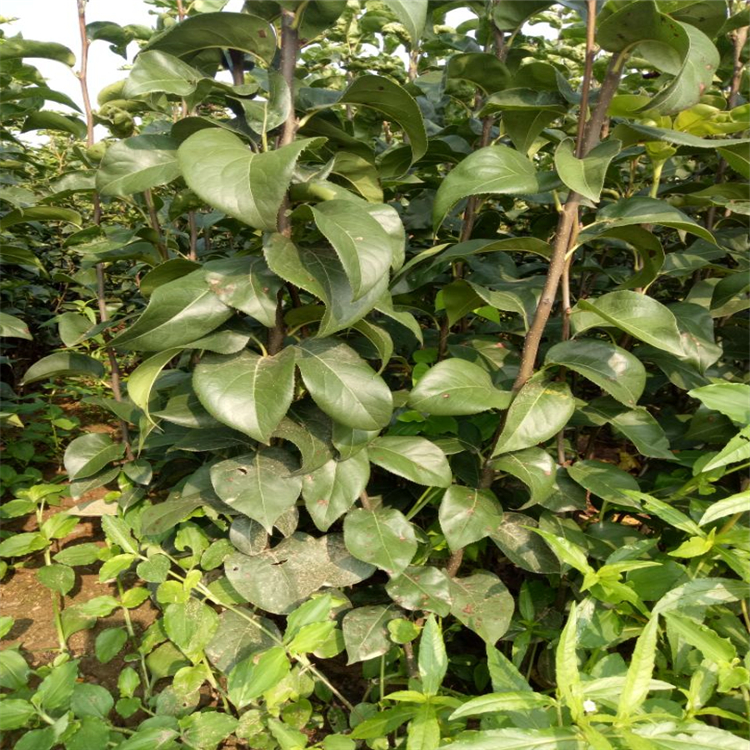
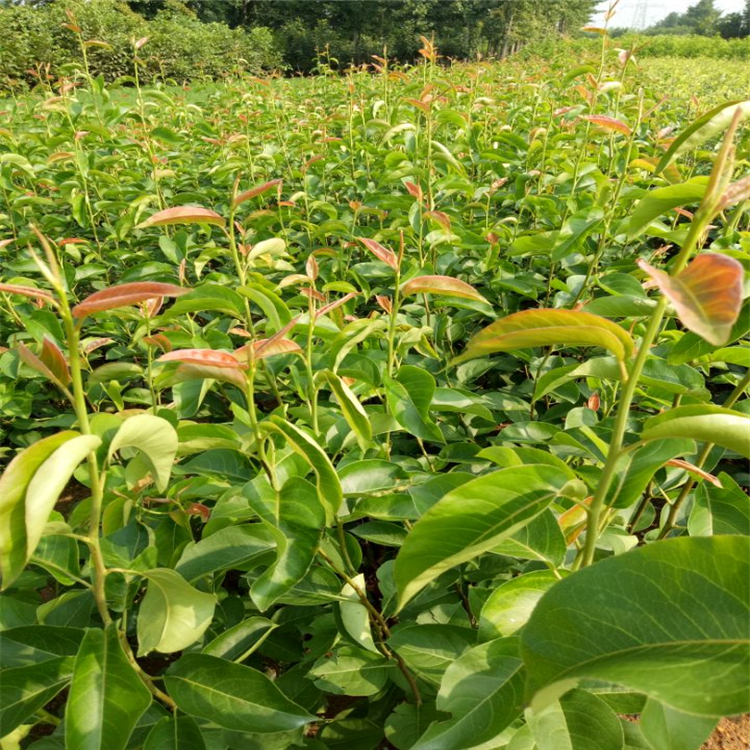
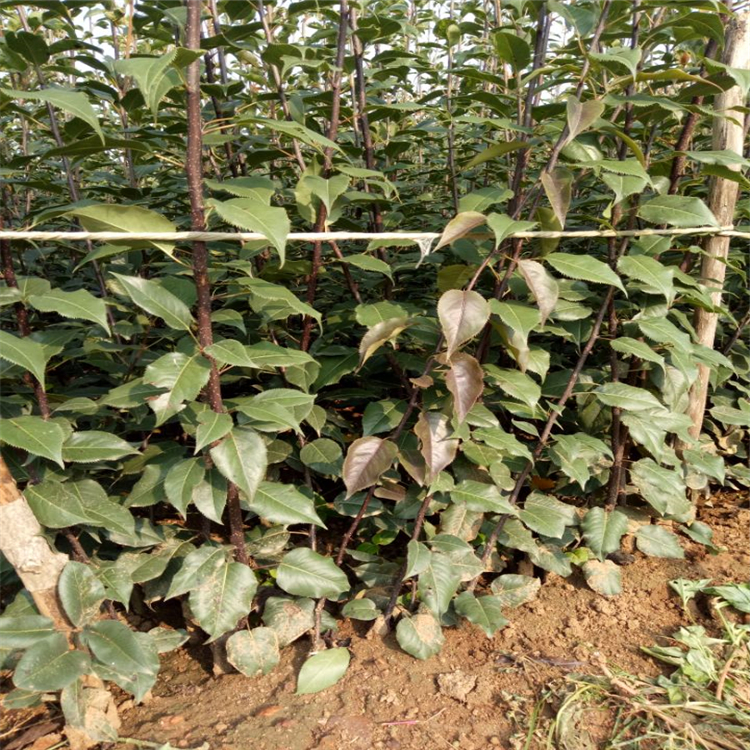
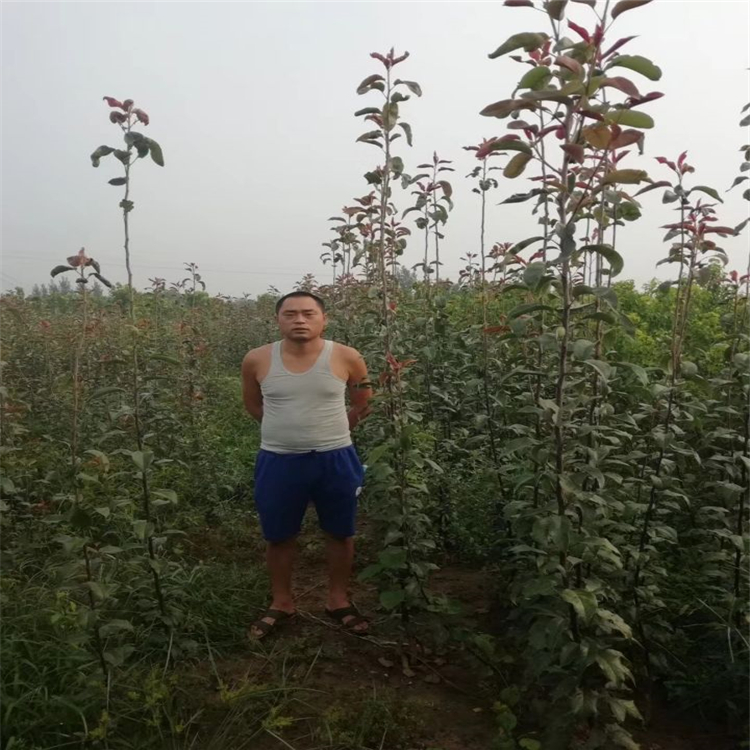
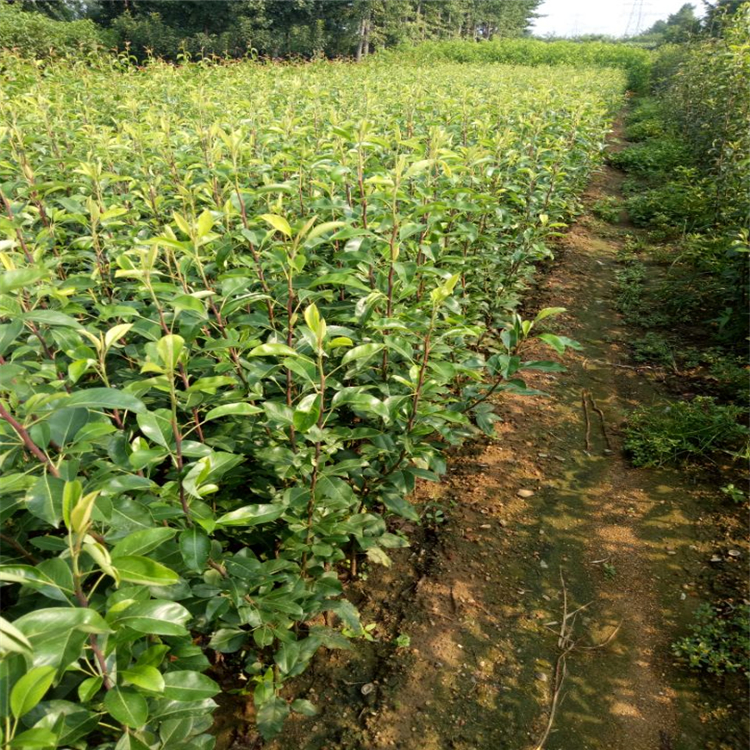
Premature pear seedlings: premature pear sprouts; prematures, the larvae grow straight, the single branch grow large, the larvae are strong, the short branch grows well and can form a string of buds. The curvature rate is high at 200-250 g for single fruit and 350 g for large fruit. Premature pears grow, are resistant, have early results, have large, mature and good taste. Premature pears have a beautiful appearance, leaves, young twigs, flowers, ripe red fruit, and unique value for viewing, which can be a greened variety of eco-seeing orchards and small urban areas。
• plumbing of pears: it inherits the quality of the meat, sweet taste, cleanness and red colour that characterizes kulle pears. It overcomes the disadvantages of small, large, low edible and poor fruit and is a new type of high-quality, durable and well-known kulle pear. An average of 236. 8 g of single fruit weight and 450 g of large fruit weight; a near spherical shape of fruit, an index of 0. 95 fruit. The face of the fruit is light and fine, waxy and water-preserving. The sun faces red faintness or longitudinal stripes, and the fruit skin is yellow and green at harvest, and is stored back and colourier. Skin is thin, has a small heart and is 90 per cent more edible. Fruit and meat are white, precipitous, slagless, with very few stone cells, with a lot of juice, sweetener, taste; soluble solids contain 12. 5% - 16. 1%, total sugar 8. 7% - 9. 8%, acid 0. 08% - 0. 17%, sugar acid ratio 68. 22 - 95. 31:1, quality. Vegetable durable storage, which can be stored in natural earth kiln holes for four to six months and in thermocool for six to eight months。
Technical guidance on the cultivation of pears in aqueous papayas
The main pests are maggots, pear bees, webworms, wood lice, aphids, mosquitoes, etc., and diseases such as rusty diseases, black star disease, black disease, fibrosis, sun burning etc。
I. Preventive measures
1. Full clearing of the park, the source of winter pests. Many bacteria, pests and pests are found in fruit, branches, wares, dead leaves and garden weeds, sleeping in the soil, winters, combined with trims, which will leave useless branches (especially the branches, dead branches) on the trees; skins will be scraped and winter pests will be killed; weeds in the gardens will be burned together with the dead branches under the cuttings, rotten leaves will be burned and grassy ash will be returned to the gardens; winter pests will be eradicated every two years, with gravel distributed every 667 square metres, capable of using 100 kg of vermin。
2. Construction of orchards and drainage facilities. The flatland orchard accumulates water, causes diseases and drains deep trenches. Mountain orchards should establish irrigation facilities. They require less water for the flowering season, less water for the fruit season, less water for the fruit season, and more rational drainage to enhance tree position and resistance to pests and diseases。
Technical guidance on the cultivation of pears in aqueous papayas
3. Ventilating light conditions. The tectonic properties and soil conditions make it selective to leave branches during trimination. During the growing season, more care is taken, extra branches are removed in a timely manner, the crowns are radiant and the effects of disease and pests are evident, especially in pear lice areas。
4. Reasonable fertilization and determination of the retention amount. In september-october, organic fertilisers were re-activated with 100 kg organic fertilizing in pear trees, 2 kg per calcium and 5 kg per pie. The pursuit is carried out before the sprouts, before the flowers, and the fertilisation of pregnancy is repeated. In late may and early june, 1 kg of compound fertilizer was applied. Re-appliance nitrogen-based fertilization. The use of chlorine-containing fertilizers is minimized, with additional phosphorus and potassium fat applied to enhance tree position. At the same time, it is reasonable to leave the trees in a state of weakness because of high yields. Pear fields produced 1,500 kg in 667 square metres and 40 kg in stocks。
5. Timely weeding, orchard moisture. In pear gardens, when weeds are too large and wet, they cause a pest base number and cause multiple diseases, so weeding is done in a timely manner, with minimal use of herbicides。
Technical guidance on the cultivation of pears in aqueous papayas
When you contact me, please tell me you saw it on the fruit tree seeding field in yellow page 88