


The papayas are tropical,*** large, multi-year-old grass plants with greener wood, and the fruits are growing on trees, and they look like melons. Do you know how they are grown in the north? Now let's let the growers introduce you。
Technical aspects of the northern papaya cultivation
1. Plantation: normally from late march to late april. The plant cannot be too deep before the foundation rots。
Temperature management: papayas grow at a suitable temperature of 26 °c ~ 32 °c, and average monthly temperature above 16 °c, so that growth, consolidation and quality are normal. Temperature measures are taken during winter temperatures to keep the temperature above 10°c in the shed。
3. Light management: papayas are radiant fruit trees that need sufficient light to ensure good light。
4. Fertilizer management: papayas have shallow roots, large leaves and resistant to drought, should be followed up with sufficient fat and soil wet but not water. Fertilizers should be applied at a ratio of 5. 8:14. 6 for nitrogen, phosphorus and potassium。
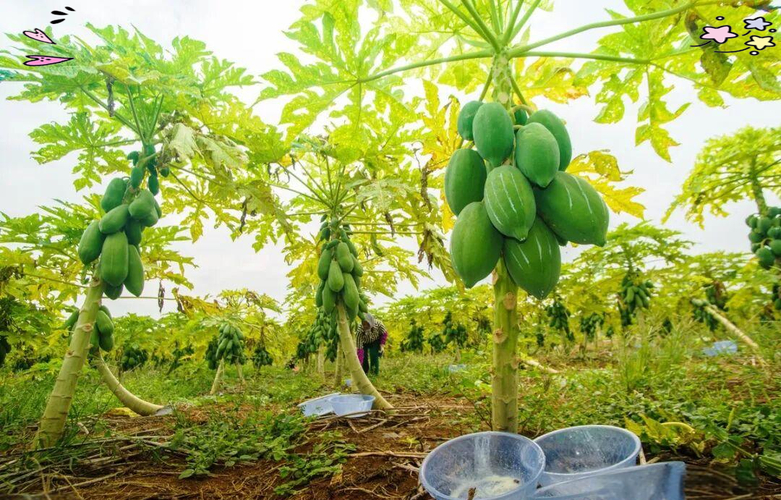
5. Flower fruit management: flowering takes place after flowering, while berries take place in early childhood, as early as possible. The removal of deformity, insects, hypervulnerous and vulnerable fruit has resulted in a balanced distribution of the remaining fruit and good space for development. And leave a beautiful fruit in shape, and make it fat. Dry and sick leaf consumption nutrients should also be removed in a timely manner。
6. Orthopaedics and shearings: the abrasions of young leaves should be removed early in the sun; the decline in co-operation in old leaves should be removed in time to avoid nutrient consumption, increase ventilation and sunlight, and reduce pests and pests, but not from the base, so that the main tubulars may not be decomposed。
7 pest and pest management: plumber pests are mainly aphids in the beijing region and can be combated by 10 per cent aphids or anti-aphids。
So that's what i've been telling you about the northern papaya plant technology. I hope the farming community will help。
Conditions for cultivation
Pumpkin is a direct fruit-growing tree that requires greenhouses not less than 3 metres in height. The light of the papayas, the lack of light, tends to cause the plant to grow long, the fruit to fall, and the sunhouses in the outskirts of kyoto are basically capable of meeting the light requirements of the papayas, but the modern greenhouses need to choose the roofs with a higher perforation。
Plantation techniques
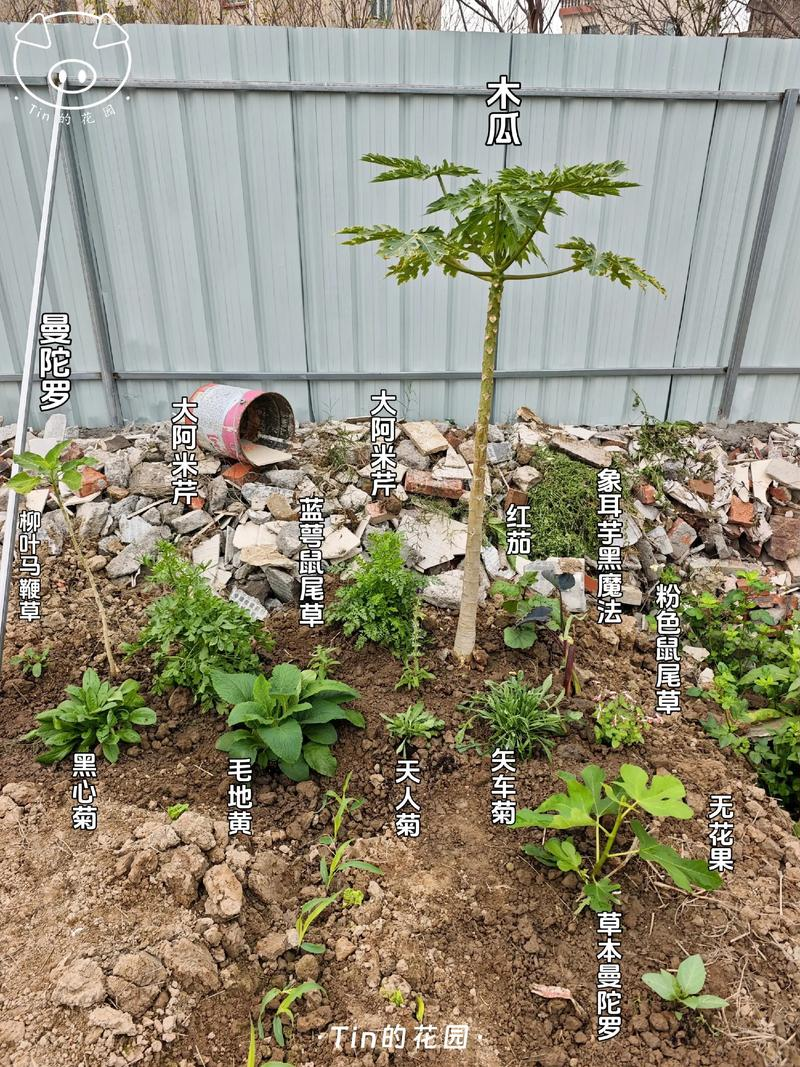
First, we dig the caves, then we do the nutrition and backfill. Caves are defined as 80 cm in diameter and 40 cm deep. The trophic soil can be made of grass-grass: there is an organicly fertilized sand topsoil = 2 :1 :1 :6 ratio, and the well-equipped soil can be refilled into a den and 20 cm above the ground, waiting for cultivation after irrigation。
Plantation
The beijing region, which moved in mid-april and late in the year. A healthy, disease-free seedling is chosen, and when planted, the seedlings with the soil are gently placed in the den, covered with soil, and water is taken to the root. It's 2 meters away, rows 2-3 meters away, and it's got a much more fertile soil range。
Fertilizer management
Cucumbers are fertilized 10-15 days after planting, so that they can be fertilized with manure, which is applied every seven days, twice in a row. After application of potassium nitrogen phosphorus (15:15:15) in combination with urea, which is followed up once every 15-20 days at a rate of 50 ~l00 g per plant, with a control of the amount according to the size of the seed. After the present reais, 0. 3% potassium phosphate and 0. 2% boric acid are sprayed。
Flower fruit management
The early removal of side buds and the timely removal of poor pollination, poorly shaped, insects and infested fruit must take place in the clear。
Temperature control
Cucumbers grow at a temperature of 26°c ~ 32°c, at a low temperature of 15°c during the winter, at a high temperature of 38°c during the summer, at a warmer temperature in the northern solar greenhouses, and in april ~ september they can grow naturally in the open。
Humidity management
Cucumbers grow with an appropriate air humidity of 60 ~70 per cent. Ventilation is required during the winter; in the summer, air moisture can be increased by increasing ground moisture or spray。
Pest control
The main pests were red spiders, which were found to have been sprayed three to four times during the peak period of august to november, reducing the number of times the insect mouths, 250 times the amount of gelatin sulfur suspension during the peak period, and once every 5 to 7 days during the larvae incubation period and 2 to 3 times in a row. The main diseases are vasectomy and pollen. Cyclops are primarily prophylactic, i. E. Better management and increased resistance to strains; and secondly, the timely removal of strains after detection. The platinum disease is mainly prone to disease at low temperatures and humidity, so that it can be treated with 250 times more gel sulfur or 0. 2 ~0. 3 tons of thiram。



