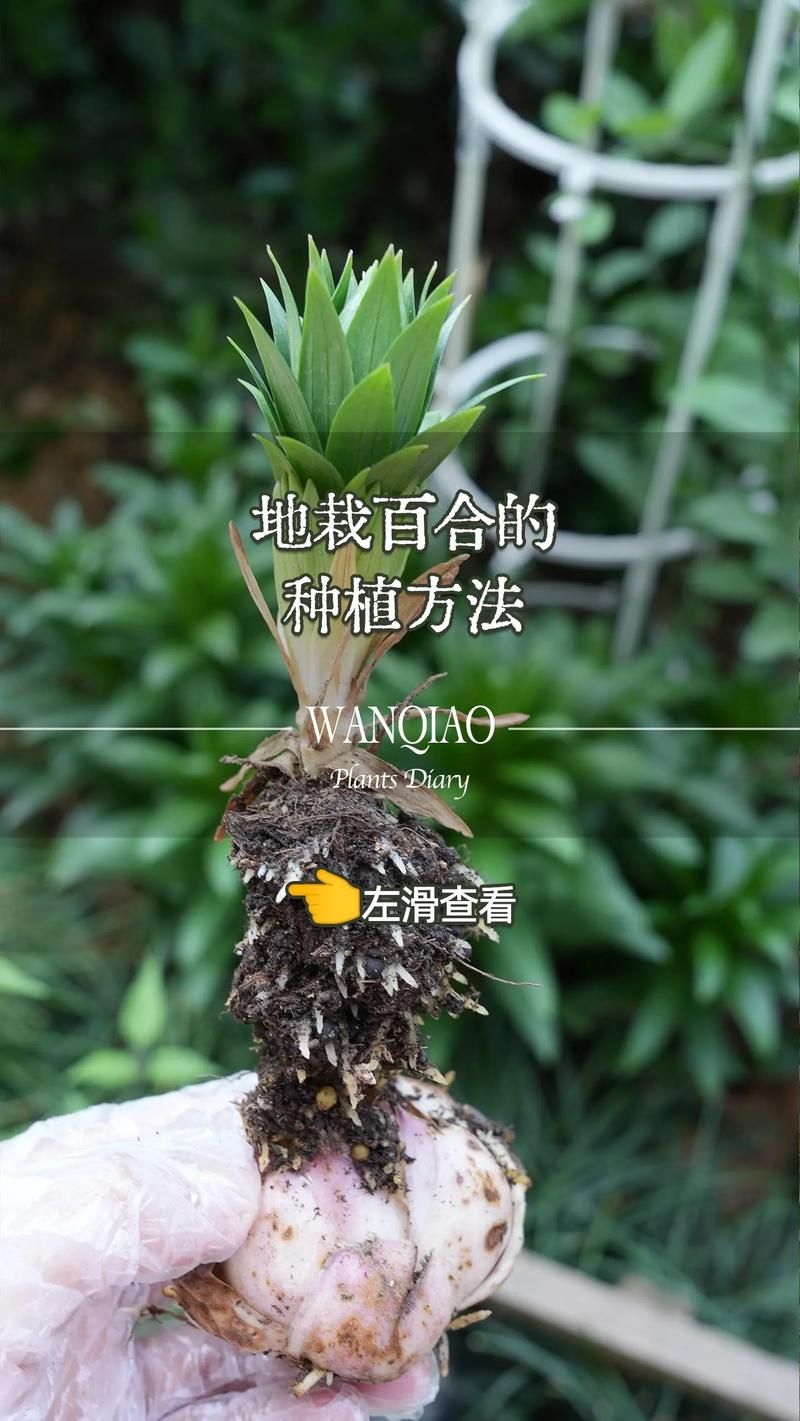
The plant should take place in september and october. The soil shall be grown in a mix of leafy, sandy and gardened fields of 1:1:1. The bottom of the basin is applied to fully decomposed compost and small amounts of bone powder and grass-wood as base fertilizer. The planting depth is typically two to three times the diameter of the root。
The plant lilies must be replaced once a year with new breeding soil and base fat. In addition, the flower basin is to be rotated once a week for a long period of time, otherwise the plant tends to be long and affect beauty。
Fertilization: lilies are less demanding for fertilizers, which are usually applied at the discretion of the start of spring growth and the beginning of flowering. According to some growers abroad, lilies are the most in demand for nitrogen and potassium fertilizer and should be applied once every 10-15 days in the long run, while the supply of phosphorus fertilizer is restricted, as the excess of phosphorus fertilizer causes leaves to be yellow and can be applied one or two times more phosphate per day. In order to enrich the runners, flowers should be cut in time to reduce nutrient consumption。
Watering: it is only necessary to keep the pelts wet, but during the boom season and in times of weather drought, it is necessary to be draught with due diligence and often spray water around the bouquet to increase air moisture. It is not appropriate for the soil to be wet, otherwise the rods are perishable。
The plant lily's breeding method:
Non-sexual reproduction:
There are three main types of production: scab breeding, seed ball breeding and bead breeding。
Grape breeding:
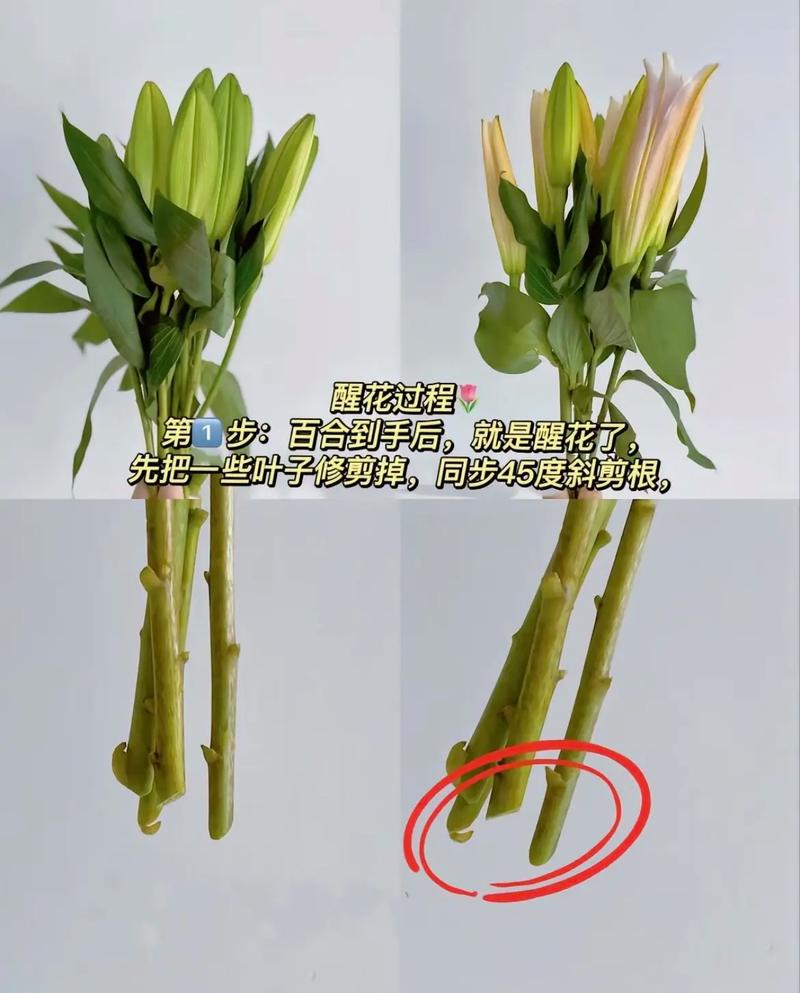
In the autumn, the selected healthy, fat scales were immersed for 30 minutes in a 1:500 benomyl or gramridan water solution, removed post-dry, and the base was down, 1/3-2/3 scales were inserted into seedbeds with fertile sandy soil, with density of 3-4x15 cm, covering the shades with grass. About 20 days later, the lower end of the scale will form one to two little rods. The two to three-year-old tubers can weigh up to 50 grams, and each acre requires approximately 100 kilograms of mast and can grow around 15 acres of daejeon。
Small tubers breed:
The lilies can grow many new plumes on their axes, collect the plumes from a non-pathic plant and sow them at a distance of 25 cm x 6 cm after disinfection. After one year of training, some of the balls (50 g) are available, and the smaller continue to grow for another year。
Budd breeding:
The beads are harvested after the summer season, and then mixed with the wet veil, and stored in the cool air. In september-october of that year, beads were cast at 12-15 centimetre lines and at depths of 3-4 centimetres, covering 3 centimetres of fine soil and covering grass。
Sexual reproduction:
In autumn, mature seeds will be harvested. The seeding in the seedbed can produce small saps in the fall of the following year. It is a long-term, transgenic and less productive method。
How do lilies feed:
Fit temperature
The lily is growing at temperatures of 15-25°c, at temperatures below 10°c, slow to grow and poor at temperatures above 30°c. It is best to grow at 21-23°c in the day and 15-17°c in the evening. The runners that contribute to the cultivation must be stored at temperatures of between 7 and 10°c for four and six weeks. This growth habit of lilies determines its conservation。
Soil and light
All-terrestrial and fertilizing attention should be paid to the fact that there is a high degree of responsiveness and that the climate is warm and the sun is abundant. The soil is suitable for sandy, sandy soil with deep soil and well-drained water, and the soil is second to clay。
Water supply
It's gotta be drained. Lily needs wet water to plant it, so it helps grow the leaves. If the soil is too wet, water-stamped or drained, the lilies will rot and die. The pelvis should grow as the plant grows, provide sufficient water for the flowering season, reduce water after the flowering, and stop watering when parts of the ground are dead。
Disease control
Lily's pests are mainly affected by black spots, asympathosis and rust, and can be treated with more than 500 times the liquid spray of more than 25 per cent fungus humid powder. Insects are hazardous to aphids and aphids, which can be sprayed with 50 per cent of dichlorvos cream 1,000 times more. This is how the lilies are raised. I hope it will help you。
How do you feed the plant lilies
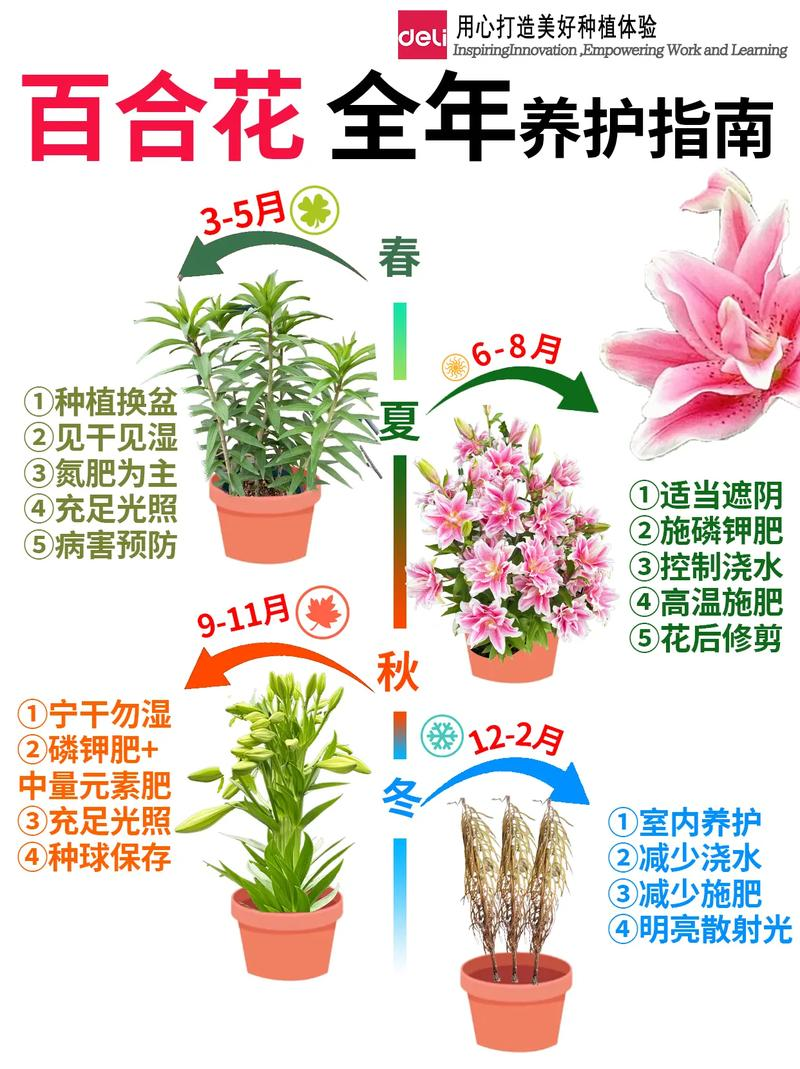
The lilies are radiant, bright, cold and dry, and do not require special protection against freezing in the northern winter. It can grow without water, as long as it is not dry. The soil is less demanding, and generally more fertile soils thrive
8u58 pharmaceuticals network www. 85u58. Com
The leaves are thick, the flowers are good. Fertilisation is performed every 15 to 20 days during the summer and should be followed by timely watering to prevent the burning of seedlings. We're going to trim it in the fall in order to prevent it from growing and affecting the beauty of flowers and strains. Aphids of lilies, care to prevent them。
The cultivation of lilies is less demanding for soil, but it is most appropriate for meso-alkaline or micro-soils and micro-acid soils. As a result, lilies should be planted in fields that are ventilated to the sun and irrigated, well-watered and fertile land on the ground. The lilies are afraid of low-lying flooding, when the lower leaves fall yellow and even death. Lilies require an average temperature of more than 7 degrees, with an effective temperature of 365 degrees from the onset to the beginning of the flowering period, usually depending on the temperature. The lilies have the greatest fear of dry hot wind and dry soil, and watery fields can be filled with a curvature. In the course of productive development, lilies stopped growing for long periods of time on two occasions (normally in june-july referred to as hibernation; november-december referred to as hibernation), at which point no branches were found and the branches did not stretch. Hypnotic periods are the best seasons for the cutting of flowers, which can be accompanied by the application of bottom fertilizers and the filling of winter waters, laying the foundation for the steady production of buds in the coming year。
The plant should take place in september and october. The soil shall be grown in a mix of leafy, sandy and gardened fields of 1:1:1. The bottom of the basin is applied to fully decomposed compost and small amounts of bone powder and grass-wood as base fertilizer. The planting depth is typically two to three times the diameter of the root. The plant lilies must be replaced once a year with new breeding soil and base fat. In addition, the flower basin is to be rotated once a week for a long period of time, otherwise the plant tends to be long and affect beauty. Fertilization: lilies are less demanding for fertilizers, which are usually applied at the discretion of the start of spring growth and the beginning of flowering. According to some growers abroad, lilies are the most in demand for nitrogen and potassium fertilizer and should be applied once every 10-15 days in the long run, while the supply of phosphorus fertilizer is restricted, as the excess of phosphorus fertilizer causes leaves to be yellow and can be applied one or two times more phosphate per day. In order to enrich the runners, flowers should be cut in time to reduce nutrient consumption. Watering: it is only necessary to keep the pelts wet, but during the boom season and in times of weather drought, it is necessary to be draught with due diligence and often spray water around the bouquet to increase air moisture. It is not appropriate for the soil to be wet, otherwise the rods are perishable. (b) the breeding method of pelvic pelvis: non-sexual reproduction: production is dominated by three types of plaster breeding, seed ball breeding and bead breeding. Speculation: in the autumn, healthy, fat scales are selected to be immersed for 30 minutes in a 1 500-square benomyl or kactan water solution, to remove post-dry, base down, 1/3-2/3 scale into seedbeds with fertile sandy soil, density of 3-4x15 cm, covering the shades of grass. About 20 days later, the lower end of the scale will form one to two little rods. The two to three-year-old tubers can weigh up to 50 grams, and each acre requires approximately 100 kilograms of mast and can grow around 15 acres of daejeon. Small spasm reproduction: the lilies have many new plumes on their axes, collect small plumes from disease-free plants and sow them at a distance of 25 cm x 6 cm after disinfection. After one year of training, some of the balls (50 g) are available, and the smaller continue to grow for another year. (b) cults: the buds are harvested after the summer season, then mixed with the wet veil, and stored in the cool air. In september-october of that year, beads were cast at 12-15 centimetre lines and at depths of 3-4 centimetres, covering 3 centimetres of fine soil and covering grass. Sexual reproduction: mature seeds will be harvested in the autumn. The seeding in the seedbed can produce small saps in the fall of the following year. It is a long-term, transgenic and less productive method。
What kind of flowers are peaches and lilies
This information is a good search for peach blossoms, the flowers of the peach tree of the viveco plant. Peach flowers are produced in central and northern china and are now widely cultivated in temperate countries and areas of the world. Peach blossoms have great value and are a common material for literary creation. The words and their meaning are: the captives of love. In china, peach blossoms have always been one word of love, and they are often said to be lucky because they give people the opportunity to love, have the blessing of peach blossoms and believe that you will soon have your own love. So this is the fate of peach blossoms, and there is a peach flower in the source of hateful peach blossoms