


Purple can be used either as a spice or as a direct vegetable, while it is also an important medicine for cooling and combating colds, which can be said to have a wide range of life uses. In recent years, lulls have also become excellent export-generating vegetables, generating significant economic benefits for farmers. For your information, the following is a description of the techniques used to plant violet:
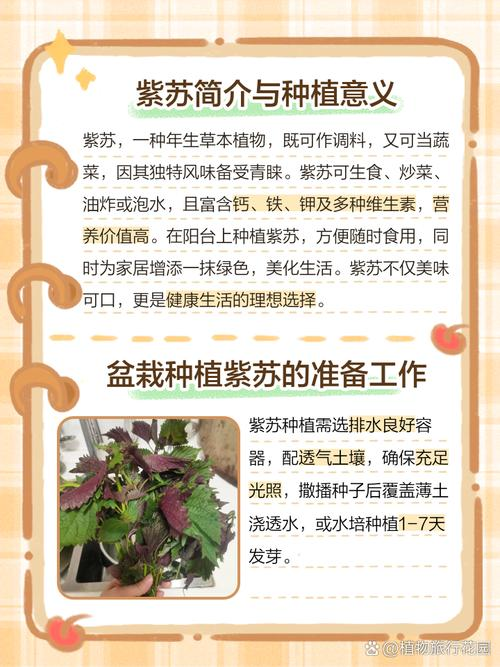
Zizu is grown mainly by sowing:
Seed harvesting. Cropping can take place in fields or in areas of daejeon. However, red and green purple are to be grown in absolute isolation, and the strains are to be removed to avoid mixed seed degradation. To concentrate nutrients in order to mature the medium and lower seeds, a third of the top part of the sequence should be cut. Seeds can be collected until they are brown。
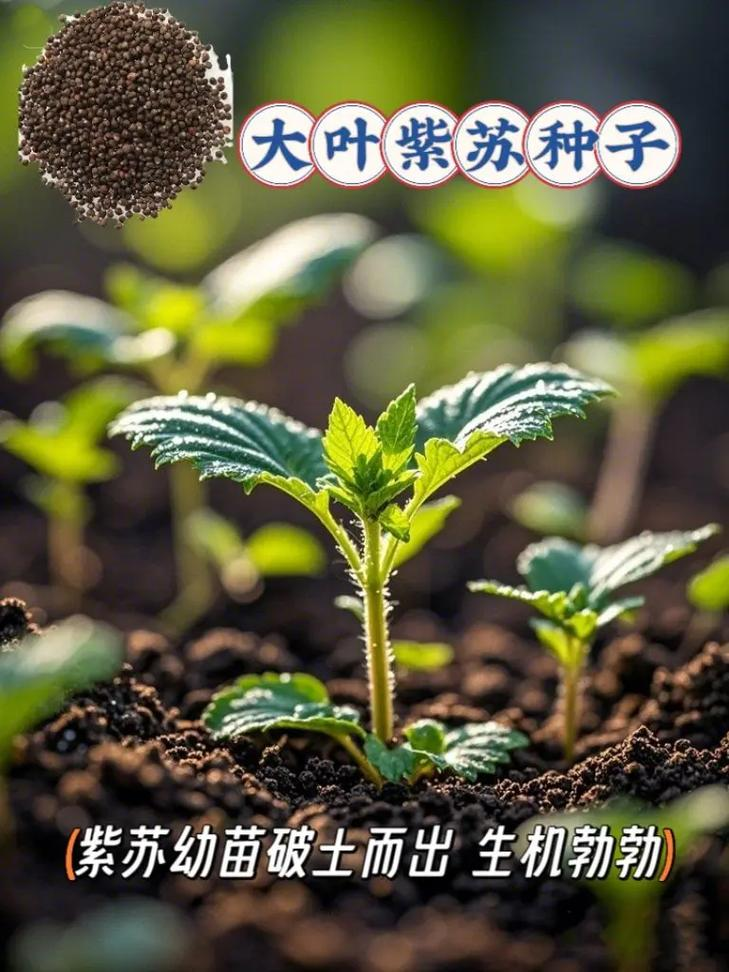
2. Cultivation. In japan, the choice is to choose the type of vervain or large leaves in the country. The choice of fertile soil, which is not easy to tie, has good aerobic protection, and contains a high degree of decomposition, as seedbeds. Each acre bed is applied equally to the surface with 200 kg of rotting chicken and goat dung or 400 kg of human urine. It is then applied to 5 kg of compound urea and 2 kg of urea after 10 days of tan. The bed, which is 15 cm tall, depends on the terrain and ease of operation. In mid-march, seeds were planted and 300 times more herbicides were sprayed on the bed before planting. The seed is sowed four days after the spray, that the seeds are spread evenly over the bed, covering the soil and the straw, sowing sufficient water, razing or building small arches to flatten them. During the nursery period, the light man peed 2-3 times, the seedlings 3 times and the seedlings 3 cm or so. In order to prevent young people from growing up and the soil from being wet, there is a need for frequent detoxification. It's about 45 days old。
3- the grounding. The various types of soil can be planted with violet, in the best interests of p. 6-6. 5 on the frontier and sandy soil. Oda base fat is dominated by organic fat, with 5,000 kg per acre of rotting waste, 3,000 kg of manure or 1,500 kg of chicken and goat dung and 100 kg of compound fat. The soil is grounded and tanned with fine dredges, 90 cm wide and 30 cm wide and deep. At the end of april and the beginning of may, it was set at six lines per acre, 15 cm x 15 cm, and 15,000 to 20,000 acre. In order to eliminate weeds and prevent tigers from falling into larvae, weeding is used to spray earth watch three days before planting, and trichlorfon is booby-trapped on the side of the argon with 500 times the fluid。
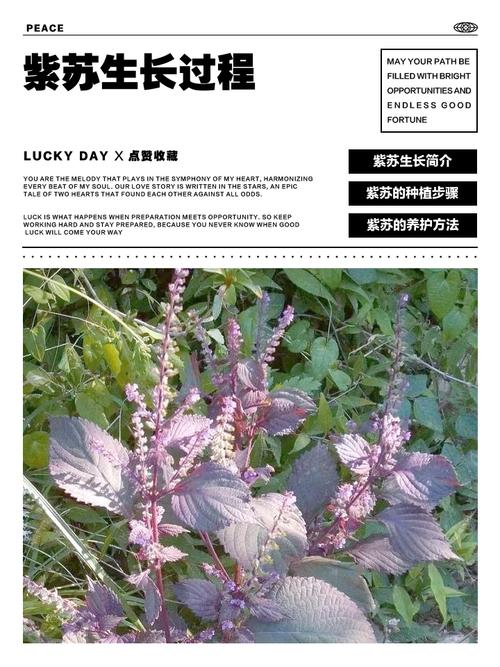
4. Leaf-picking. After 20 days of planting, all leaves and branches below the 4th of the penis shall be removed from the plant and its growth shall be promoted. After one week of removal of the first leaf, the pick-up of the leaves can begin when the leaves of the 5th truncheon are more than 10 cm wide, with two pairs of the leaves taken. And remove the breech from the tubing. Late may — early august — is the peak period for leaf extraction, which can be taken every three to four days. At the beginning of september, the plant began to grow in gravitational sequences, at which point three pairs of leaf blades could be retained to conform to the finished leaf standard. During the year, 36-44 pieces of leaf were removed from each of the purple sulfur and 1700-2000kg leaves were produced per acre。
5. Fertilizers. After the seedlings are planted, fattening is followed up once every half month, with 2500 kg or 10 kg of urea per acre of manure per field: 0. 5 per cent of urea per month is used to accelerate the growth and improve the quality of the leaves; in the event of high temperatures and droughts, water is used to combat drought. For vermin pests such as octopus, aphids, chromosoes, etc., 80 per cent of dichlorvos cream is 800-1,000 times the fluid, 60 per cent of the oxidizer 10,000 times the fluid, etc., and the spraying time should follow the extraction of each leaf。



