


No video
What kind of plants grow up in arid, rain-poor deserts? Is there also limited economic value in the infertile sand that absorbs plants growing up with limited nutrients
Following the three north project, journalists fought hard in the field of operations, media movements, and arrived at the millions of acres of citrus growing base in otoke, the front flag of mau susha. Here, zhang jiangdong, the chief engineer of the oktok front flag forestry and grassland department, described a plant that “reversely blooms” in the desert and creates multiple values — lemon strips。
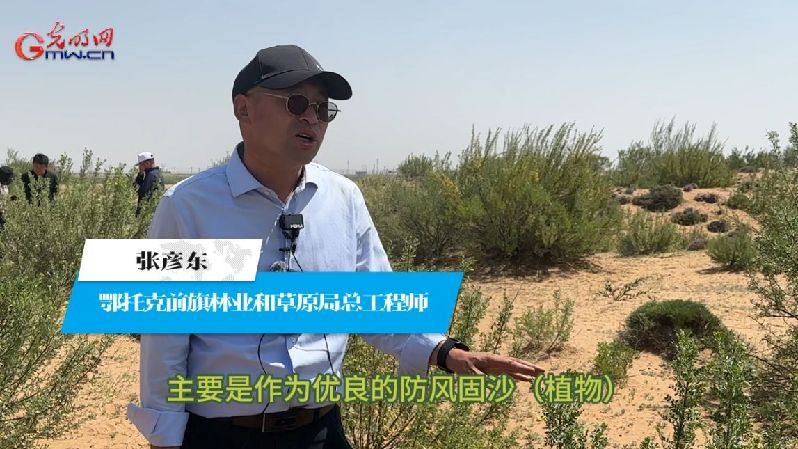
The silhouettes are highly adaptable, both cold- and high-temperature-resistant, and grow in arid and arid sands, twilight hills, deserts and semi-desert areas. They are a shrub species of high-quality soil conservation and wind-proof sand。
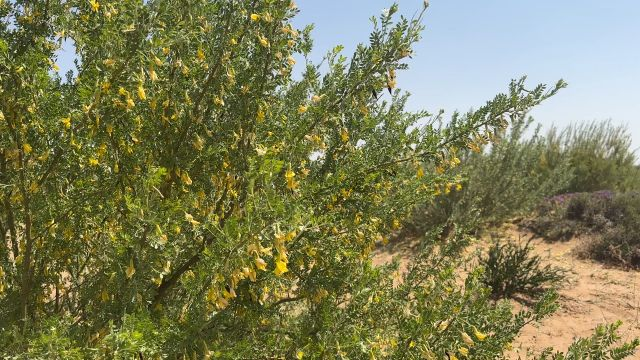
The lemons that bloom in the desert
The town of aung suu kyi is situated on the upper edge of the maususha land, with the main terrain being desert sands and up and down the beams and sand beaches. The “million acres of lemon stock-growing” operation has been launched so far, with a total area of 910,000 acres being planted throughout the town, providing a strong sand-fixing barrier to the wind-traffic barrier on the ground。
In parallel with sand-fixing, the lemons are a good wooden feed, rich in coarse protein, fat, etc., which is an important resource for drought-resistant livestock。
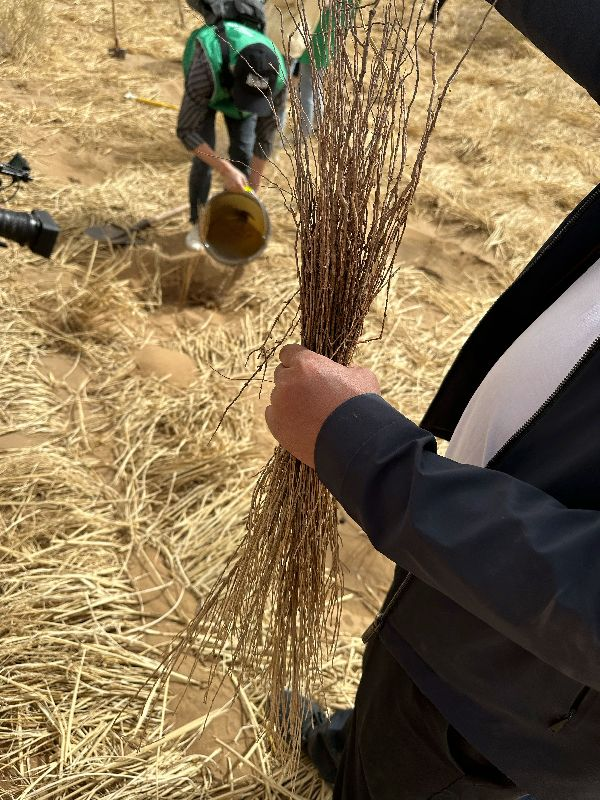
Waiting to plant a seedling of lemon
Zhang jiangdong described the need to maintain the vitality of the lemon strips through regular calming. A smooth-cut lemon strip can serve as a quality feed raw material. The feeding of lemons is a characteristic of the flating of the lemons, which both improve the ecological function of degraded bushes by flattening them and create ground-based feed resources for livestock production. The “reverse flower” of the lemons in the desert brings ecological and economic win-win。
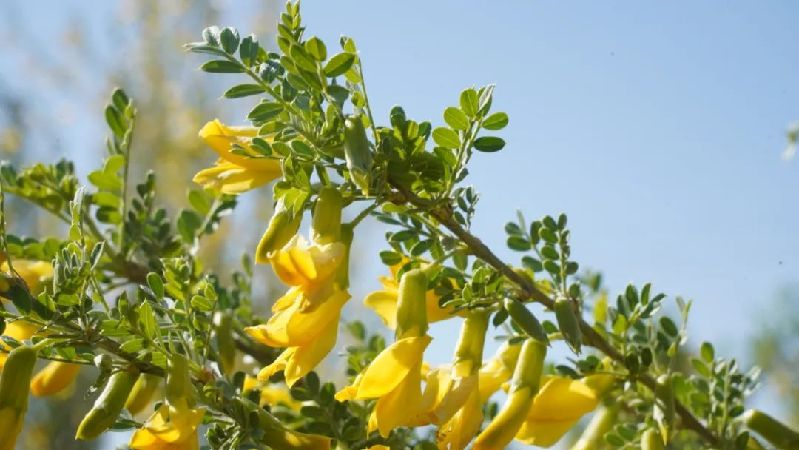
Flowers of the lemons (data pictures)
In order to take full advantage of the resources of the lemons, the ortoke ex-farmer and herdsmen have adopted a system of graft and zonal rotation, combining precision drip irrigation techniques and local-specific farming, resulting in an economic development model of the lemons, in which governments, enterprises, farmers and pastoralists and cooperatives participate, and a blueprint for a green economy, from “a piece of lemon” to “a piece of meat”, has been launched。
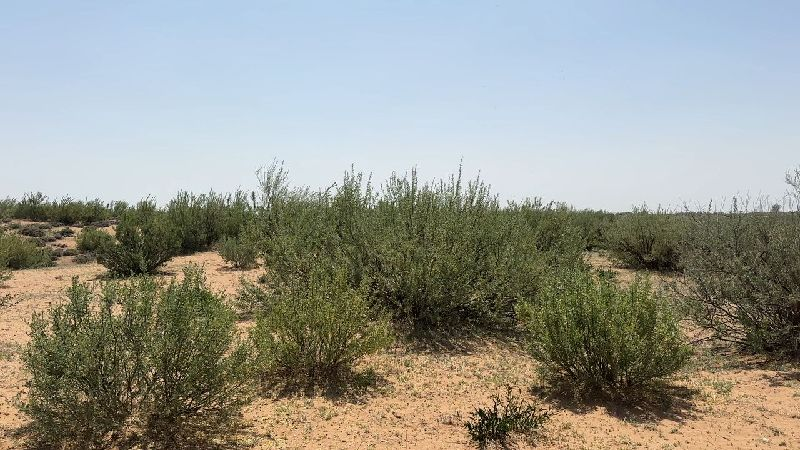
Otok's front flag, millions of acres of lemon
At present, the flag has established 4,000 acres of seedlings, 6 feed processing plants, 41 planting demonstration sites and 32 pro-poor reforestation cooperatives。
According to the information received, the oktok front flag now covers 2. 76 million acres of lemon strips, with an additional 250,000 acres planned for this year, reaching 3. 01 million at the end of the year. The town of aung suu kyi, the town of the shanghai temple and the town of ole are the main areas of cultivation. In the future, lemons will continue to play an important role in desert ecological protection and livestock development. (li hin cheol)



