The technique of cultivation of purple sows
I. The choice of the land, the whole area, is better off with a well-soiled, easily drained, fertile land. Each acre was applied to 2,000 to 3,000 kg of farm-based fattening, tilling, dredgeing and flatting into 80 to 100 cm wide。
The method of reproduction is seed breeding, live broadcasting or seeding。
1. Live broadcasts between late march and mid-april open a 0. 5-1 cm shallow ditch at a 50-60 cm line on a well-established arcade. The cave was opened at a distance of 30 cm x 50 cm. The seeds were then ploughed, evenly scattered into the ditches, covered with thin ground and slightly suppressed, using 1 kg of seeds per acre. It's 5-7 days after the show。
2. In april, seedling transfer beds should be selected for the sun and applied to the sun, with foot-based fattening and calcium phosphate appropriate, so that water can be poured into the water and then seeded, with the fine soil approximately 1 cm. If the temperature is low, plastic film can be covered and seedlings will be released. The seedlings are 5-6 cm high and 15-20 cm tall, and are planted in daejeon at a distance of 50 cm x 60 cm in the rain or after noon, and water is poured one or two times in time。
Iii. Field management
1- saplings, saplings, seedlings at a distance of 30 cm at a height of about 10 cm, and cave-breeders, with 1-2 units per den. If seedlings are not available, they should be filled. Those who move their seedlings, after planting them for a period of 7 to 10 days, should be replenished in a timely manner in the event of death。
Before weeding, weeding must be done on a regular basis, and when water is poured or rained, it should be pine。
3. In pursuit of a 60-centimetre high, 1,500 kg of human and animal dung per acre were chased, 15 kg of urea were applied and water was then poured。
4. Increased demand for water for seedlings and flowering seasons should occur in a timely manner during drought. Attention should be paid to drainage during the rainy season。
How to grow vervain
Purple sous cultivation methods:
Appropriate environmental conditions。
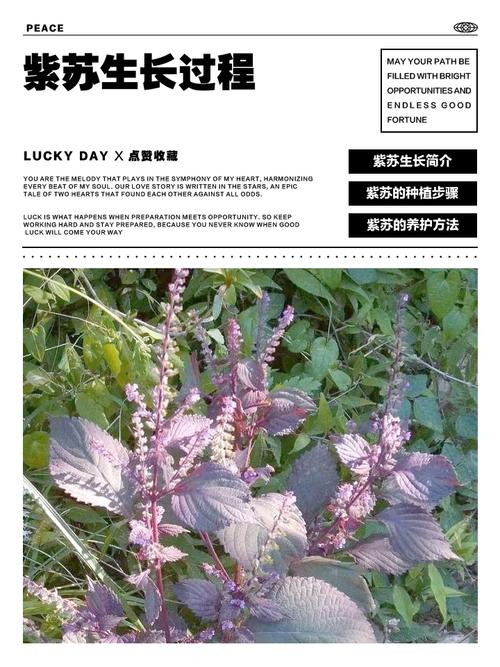
Purple is not stringent for soil and light and can adapt to a variety of soils, but if it is to grow well, it chooses well drained and fertile soil cultivation; it can grow at a slightly cold climate of 18-28°c。
Methods of cultivation。
Purple is a year-old grassland that needs to be sowed every year, and there is also the case that the seed is sowed every year that the seed falls on the ground and may grow in the coming year. As usual, planting takes place in mid-april in the north, one month early, the dry seeds are available live, and, like other leaves, the seeds must be seeded before they reach the ground, so that the seed sprouts have sufficient moisture; the purple sows are so big that they can be replanted when they have three or four real leaves, and when they grow to 40-50 cm, they can pick them up in a row, and they can strangle them, and they can eat them。
3. Strengthening field management。
The verbs are removed from the pine soil at times after planting, so that weeds do not disproportionately affect the growth of the vermin. While weeding the pine soil to the vervain, we shall grow a dense purple, depending on the strength and time of the soviet. The so-called so-called so-called so-called so-called so-called so-called so-called so-called so-called so-called so-called so-called so-called so-called so-called so-called so-called so-called so-called so-called so-called so-called so-called so-called so-called so-called so-called so-called so-called so-called so-called so-called so-called so-called so-called so-called so-called so-called so-called so-called so-called so-called so-called so-called so-called so-called " " production " 。
It's time and method that matters
1. Timing of cultivation
Purple likes to grow in a warm environment, which is an annual plant, so according to plant practices, the south can grow in the spring in march, and the north in april, when the climate is more appropriate and when it grows, it can grow quickly。
2. Land selection
It is less demanding for its soil, but when it is grown, it is preferable to grow on well-soiled, loosely fertilized and well-watered plots, not to plant in a sticky soil, and once the plots are selected, the soil will need to be tumbled and fined, and the trenches will be dug to poach。
3. Cultivation
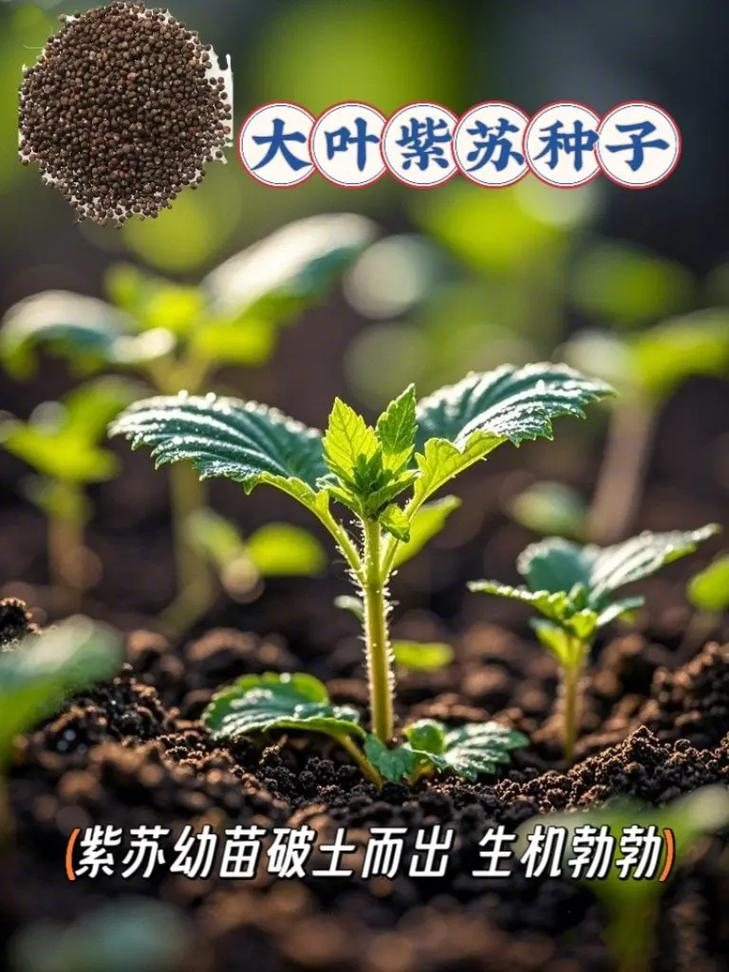
The vervain is grown by sowing, spreading its seeds evenly into the soil, then covering a thin layer of soil, sowing water in appropriate quantities, keeping the soil micro-humid, and also sowing in caves at a distance of 45 centimetres and 25-30 centimetres, which will soon produce seedlings。
4. Conservation management
Purple is highly adaptable and can be harvested two to three months after planting, and in the long term it needs to be fed by hard-working fattening and growing, dry weather needs more water for it, and rainy seasons need to be drained in time to avoid its rotting roots and regular weeding。
Attention to violet farming
1. Maintain appropriate temperatures
Chrysotile plants grow slowly at lower temperatures and flourish during the summer, so they remain at 18-23°c, with a relative humidity of 75-80%。
2. Nitrous fertilizer is predominant in fertilization
As the vervain is herb-based, the fertilizer is mainly nitrogen-based, and leaves are not to be touched。
3. Water in time
In the absence of long-term rainfall, water should be poured in a timely manner after seeding or transplantation, and during the rainy season attention should be paid to drainage to prevent the spread of water and the loss of leaves。
How's the violet growing
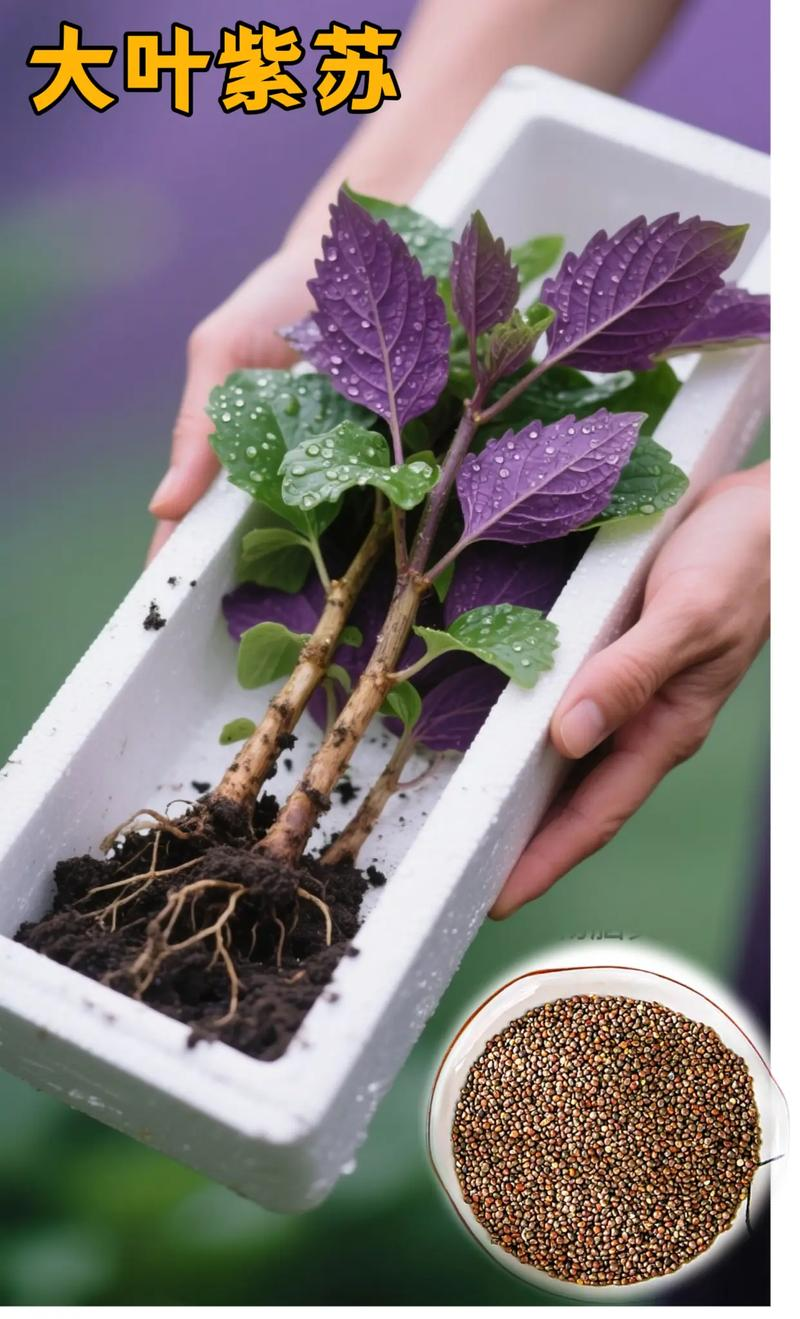
Purple is a one-year-old herbivate with mint. It is available for both medicinal and edible use, and it is used for the relief of cold and cough flat. Violet leaves are the main part of the diet, which is small, mainly as a mix, mixed with cucumbers, peppers, and refreshing and appetizing; they can also be placed in stewed fish, chicken stewed chickens, and can remove the smell of fish. Purple cultivation is simple and is an entry-level vegetable, even if it is new, and it can be grown well by the method of planting. Every year, we grow a small piece of it, which is basically unmanageable, well grown and easily eaten. The following are some of the cultivation components to be noted in violet。
I. Enterable environmental equipment su prefers warm and wet environmental conditions and cold and high temperatures, but can grow at temperatures of 10 to 35°c, but is better in a slightly cold climate of 18 to 28°c; has plenty of light and light, and is not strong; is resistant to drought and infertile but unsatisfied, and has less stringent requirements for soil, with purple succultation on the ground and behind the front of the house, but selects high-lying plots for drainage during the rainy season。
Ii. Purple cropping methods, 1 time of planting: either direct seeding or subsequent planting. The warmest climate in the south allows for direct planting in march-april; the cold in the north is mostly when the nursery is taken up in the shed and then planted in the field in april-may。
Breeding methods: violet seedlings are still very large, and it is best to choose the nutriented seedlings with a diameter of 8-10 cm and the special nutrient soil. The germination rate is not very high, with 5 or 6 seeds per nutrition, ensuring that 2 to 3 seedlings per nutrition. The seeding of 1. 5 cm of the soil is ultimately covered by the membrane or straw to keep it warm and humid, in the interest of seedling。
3. Replantation: the requirements for the transfer of violet seedlings are not very strict, and plants can be grown between four and eight leaves. Before moving, the field needs to apply bottom fattening, flattening the soil, making a 13-metre-wide high larvae, 40 centimetres wide, 15-20 centimetres deep, and opening drains around。
As a result of the planting of one nutrient at the time of the planting (2-3 plants), the distance of the plant is greater than that of a single plant, 40 cm and 30 cm. Plantation is carried out in such a way as to ensure the integrity of the earth, without damage to the root system, which can produce better seedlings, and when established, water is filled。
4. Fertilizer management: after planting the seedlings, together with weeds, pine soil is plowed 1-2 times, 1,000 kg of manure per acre, and 2,000 kg of manure per acre, before the plant is sealed. As far as possible, the cultivation of purple sulfur should not be fertilizered, otherwise both the smell and the taste will be affected, with less water being poured into the water。
5 insect and pest management: there are few pests and pests in vitro cultivation, and summer fall festivals are mainly affected by larvae pests, which, if small, are best handled manually; when the area under cultivation is large, spraying is required, and biopharmaceutical suyungin sprouts can be administered, with a good insecticidal effect。
6. Collection: the main harvest of violets is the green leaf, which can be collected several times。
Address: https://www. Dadaojiayuan. Com/zhongyaochanshi/1009. HTML.