Sudanese grass cultivation techniques and methods
The green growing throat network provides a description of relevant knowledge-sharing on sudanese grass-growing techniques and methods and sudanese grass seeds, as follows:
Sudanese grass is a one-year grass plant, born in the northern part of africa in the sudan, which is now being cultivated worldwide. The sudanese grass is warm, wet, cold, drought-resistant, adaptable, soil temperatures of around 10°c can germinate, young seedlings are vulnerable to freezing at temperatures of 2-3°c, 20-25°c are the most suitable for growth, slow to grow before the fifth leaf and faster after the split. Sudanese grass is rich in nutrients and contains more protein, good taste and a variety of livestock. The average acre produces 5,000 kilograms of grass。
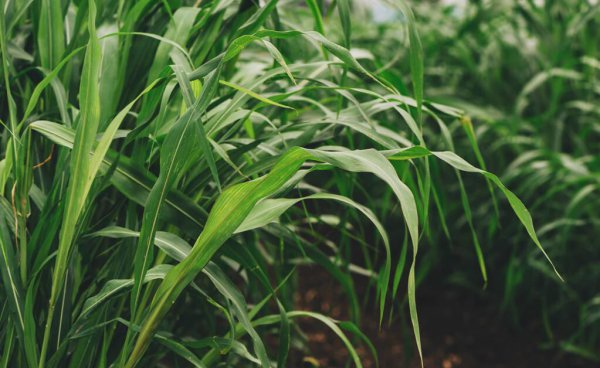
1. Ground-based fertilizer: sudanese seedlings are slow to grow, vulnerable to weeds and must be fined before seeding, especially for weed removal, and can also be used for herbicides, ranging from 1,500 to 2,500 kg per acre of decomposition for farmers。
Seeding: it is better to sow in the spring, march-april, and can also be spread in stages, approximately 25 days apart, and last in september, so that feed can be supplied in succession. It can be broadcasted on a strip, at a distance of 50 to 60 centimetres, with a seeding volume of about 2 kilograms per acre. The use of sowing has increased appropriately。
3. Field management: when seedlings are produced, weeding and fatting are done in a timely manner, followed by pine soil and urea or human and animal faeces. Water should be irrigated in a timely manner during drought. Sudanese grass is not suitable to be associated, otherwise it consumes the ground and can be planted with perennial or one-year legume herbs, thus helping to regulate soil fertility。
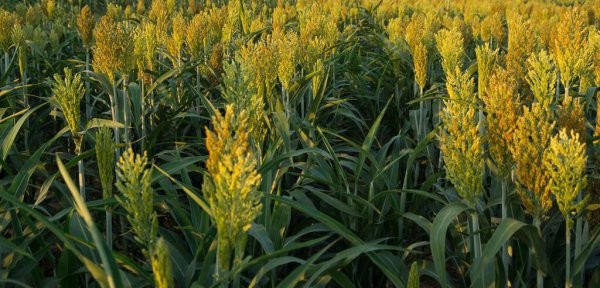
Harvest utilization: sudanese grass, as a feed, is generally harvested when the plant is 50-60 cm tall, facilitating regeneration and can be harvested three-four times a year. It can be freshly fed, weededed or bloated. In the case of harvest seeds, harvesting is not appropriate, and acre-producing seeds are approximately 75 kg。
Detailed information on the techniques and methods of grass growing in the sudan and the methods of seed growing in the sudan, shared here, is only for your information