The introduction: the heart vine, also known as the heart leaf green velvet, is a multi-year grassy vegetation plant of the tianan star kosilin, which not only models beauty, but also has a very strong air purification capacity, known as the air purification machine, and has excellent adsorption capacity for toxins and harmful substances in the air. Cartoon leaves are green and relatively rule-based, look romantic and cozy, but the conservation of tapas is more difficult and complicated, and the conservation of hydroponic leaves is simpler and more aesthetic than green carrots, and air purification is much better, and yong then comes to tell you about the details of the steps taken by the pedagogy。
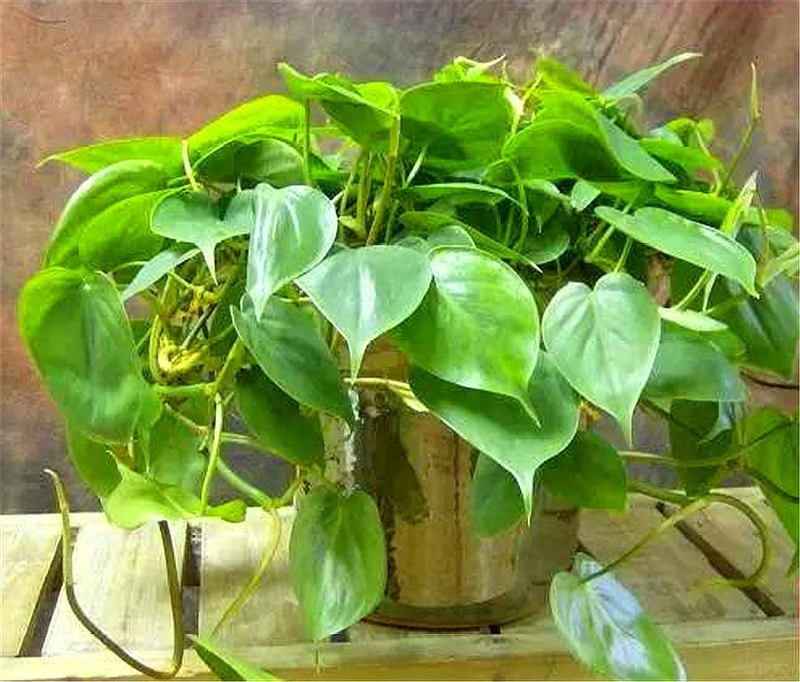
Step 1: select the right time to plug in
If we want hydroponic entanglements, we have to choose the right time, and heart vines like relatively warm environments, and the biggest difference between hydroponics and earthbreeding is that hydroponics have a high temperature of low humidity, and the evaporation and loss of moisture take away large amounts of heat, so we try to choose warm seasons when water plume in heart vines, so the roots grow faster and the success rate is higher。
Recommendation: the hydroponic injection time for the heart-leaf vine is best chosen for the month of may-september each year to avoid winter and spring incubation, when temperatures are too low, and when freezing and root systems are not sustainable。
Step 2: choice of container and water quality
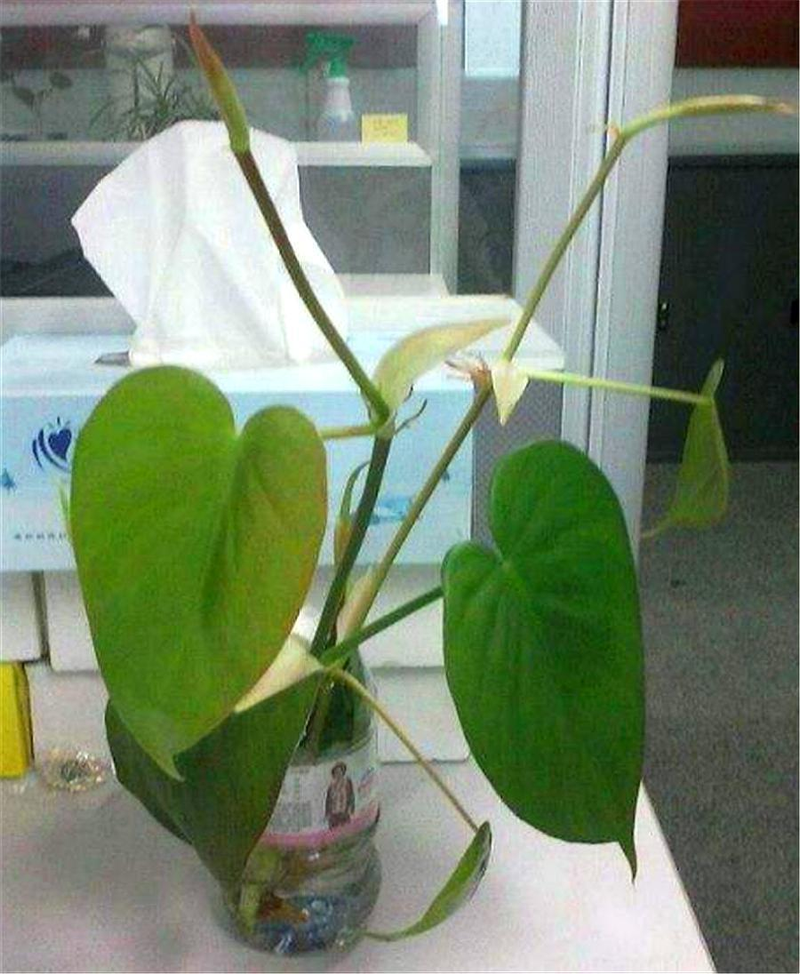
There is only one requirement, transparency, for the packagings of the heart vine. Transparent containers allow us to observe the growth of the root of the heart of the vine and allow the subdivision of its branches to receive a certain amount of light, thus facilitating the emergence of the branches. Of course, the cleanliness of the container must also be noted, it must be cleaned and preferably disinfected with polybacterial solubility before being used。
We can avoid direct use of piped water and wells as much as possible。
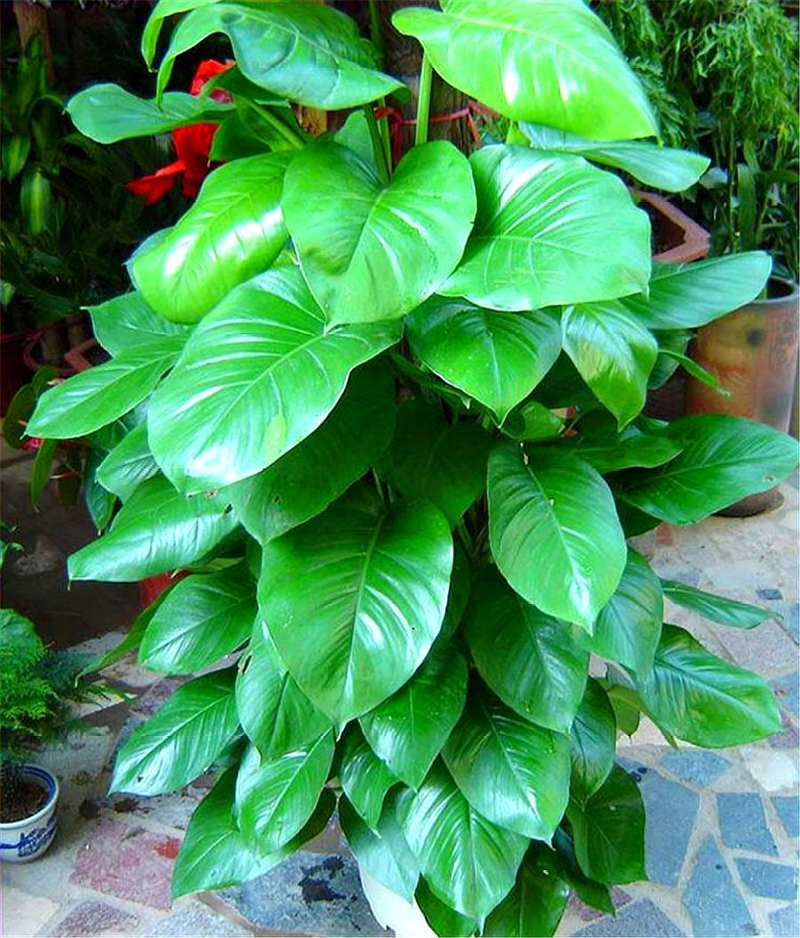
1. The best water in the heart is the natural water quality of a river or lake, which is rich in nutrients, and which has a small hardness and a high microbiological content, which contributes significantly to the rooting of the heart leaf. However, yong reminds us that the level of environmental pollution is high and that water must be collected away from sources。
2. The success rate is also very good with pure water or mineral water plating in the heart vines, with low pollution of pure water, clean water quality and high mineral and trace element content, which are also more beneficial for the growth and survival of the heart vines, but the disadvantage is that the costs are too high。
3. If it is convenient, we can also use dry running water to infuse the heart of the vine. Puts running water in the sun for 1 to 2 days, so that the disinfectant material in it is volatilized, increases oxygen content and can then be used directly for incubation。
Step three: choosing strong branches without pests and pests
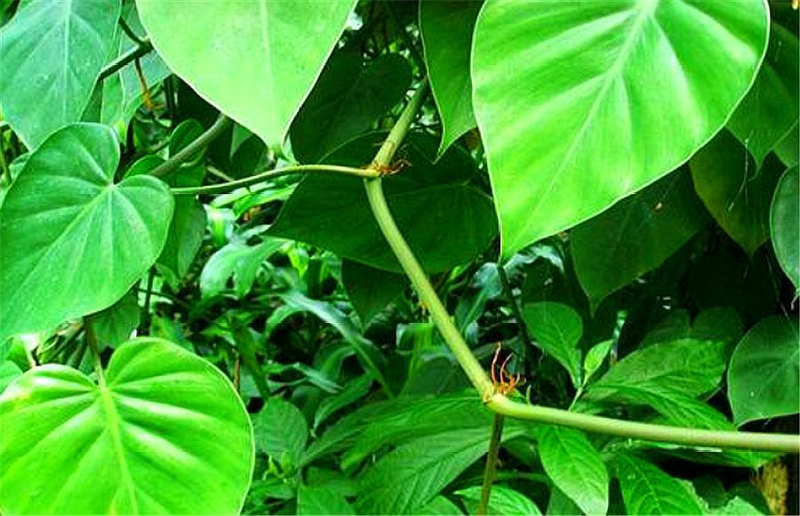
In order to succeed, a leafy leaf has been inserted into the heart, and the selection and production of an emitter is very important. If we choose an insect itself to happen, and the branches are weak and dying, the success rate of an incision will be very low and the likelihood of rooting is very low. It is therefore important to choose the relatively strong branches on the mother's body at an early stage of the embedding process, and the leaves are green and there are no pests。
When the branch is selected, it is cut off with sharp and disinfected scissors, the blades at the bottom of the branch are removed, the cut is cut to 45 degrees, and then it is smeared or impregnated with polybacterium solution, which is treated with a cure。
Step four: plug in to the stand
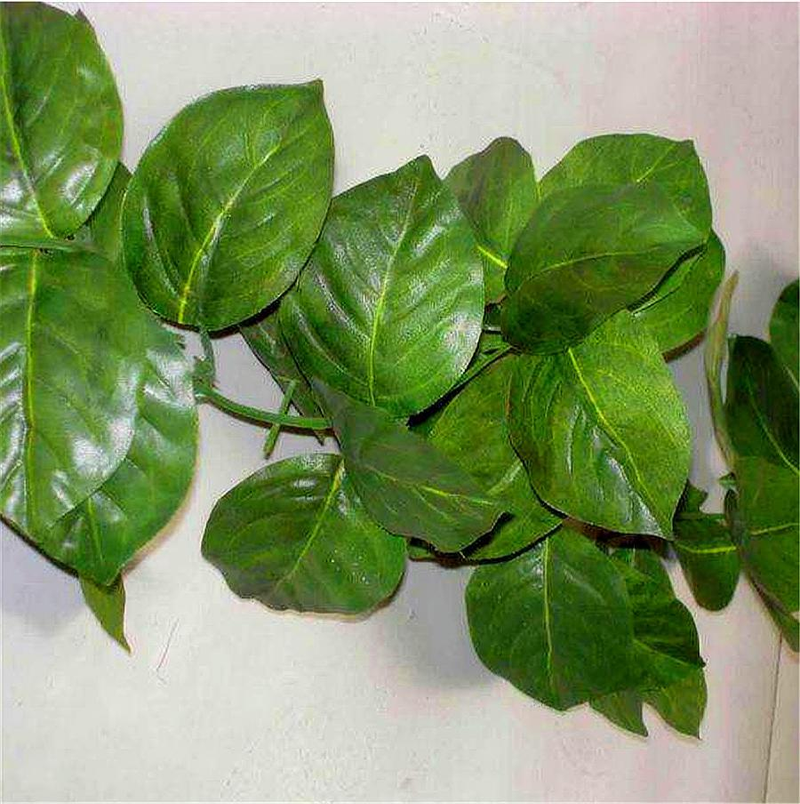
The first three steps can be described as the preparation of a heart-leave piping, and we can start with the preparation. Add two thirds of the water to the packaging, and then insert the heart vine into the container, taking care of the part of the impregnated water, so that the leaves are removed。
When we're done, we're going to build a support frame for the heart vine, which is so strong that it can grow healthy and fast only if it's attached. We can make it with bamboo bars, barbed wire or wooden racks, and we can put it directly by the window of the wall so that it can grow along the wall。
Step 5: conservation after insertion
When the plug is completed, what we need to focus on is later conservation, which is linked to whether or not the heart vine is healthy enough to survive and grow fast. We also need to be particularly careful, while the end-stage conservation of the heart vine is mainly controlled from five levels。
1. More suns to avoid flashes
Heart vines still require greater light, especially during their boom-spring season — spring and autumn — and we need to provide them with an all-day lighting environment, at least on the balcony or window table. And when the sun is too hot in the summer, there's a threat to the green blades of heart vines, so in the summer we're going to take the shades and let the heart vines be exposed to early and late light. And our primary concern in the winter is to keep warm, to keep it warm and to keep it warm。
2. Water exchange and multiplication
The most important point of water-breeding leaves is to keep the water clean, otherwise the leaves are prone to a bad yellow leaf phenomenon. The advantage of choosing transparent containers when changing water is demonstrated by the fact that, as the time of maintenance becomes longer, the water in the container becomes discomfortier and less. When the water becomes obscurous, we change in time, or when the volume is reduced to half the height of the container, we add water in time. When changing water, every effort is made to avoid a one-time replacement of all water, it is advisable to replace only two-thirds, to keep one-third, and to avoid environmental mutations that would allow the heart vine to grow better。
In addition to this, the hyena prefers a more humid air environment, where we spray fog around the plant and on the leaves of the hyenas every day, but in winter water is sprayed in such a way as to avoid the direct application of cold water, to keep the temperature of the water and the growth of the hyenas in line, and to reduce significantly the probability of freezing。
3. Regular fertilization
The hyenas are less demanding for fertilizers, but they are strong and require some nutritional supplementation. In general, we give it three-dimensionally balanced compound fats every 15 days, or water soluble fats with a high nitrogen content, and, if necessary, spray some beer water on the leaves of the heart vine every 20 days, so that the leaves can be made greener。
4. Regular annual spring trim
There's one characteristic of heart vines, namely, that, while they are strong, they are less able to sprout on the long side, so we're going to trim them every spring. Be careful to trim it, it is best to cut it completely from the root of the heart vine and keep only one or two stronger vines. This allows for more side branches to be sent out by the pedestals, which can significantly increase the number of pedestals and leaves。
5. Controlling temperature to avoid freezing
The most appropriate growth temperature is 20 to 25 degrees, more than 30 degrees, and the heart vines will go into hibernation, and constant high temperatures will pose a threat to the life of the heart vines, so we need to take ventilation and cooling measures in the summer。
And when winter temperatures fall below 5 degrees, heart vines are also in danger of freezing, so the first thing we have to think about in winter is cold and warm, and once the heart vine's nurturing water freezes, it hurts its roots, the light leaves fall, and the whole heart vine dies。
Special reminder: in order to prevent the rooting of the locomotives, small amounts of polymix solution may be added to the water for the cultivation of the locomotives on a monthly basis, and the pedestals of the locomotives shall be thoroughly cleaned and kept clean every two months。
Summary: the hydroponic incisoration of the pyrochlor can be broadly divided into two parts, starting with pre-plugging preparation, including packagings, water quality, and the selection and production of the piping. After the plug, we will focus on later conservation, with emphasis on adequate light and clean water quality, while keeping in mind temperature control and not to cause freezing or excessive constant temperatures in heart vines. In accordance with the methods mentioned above, yong has a high rate of survival and later growth, with large and green leaves and strong roots。