Red-tied grapes, known as the red earth, are the preferred high-quality and efficient varieties of grape cultivation with their excellent fruit quality, durable storage and productive capacity. However, the species is less resistant to cold and cold and is growing at a slower rate during the nursery period, requiring sophisticated cultivation management techniques。
Location and construction
1. 1. Park selection
In the selection of sites, priority should be given to plots where the soil is rich and rich, and where the ph values range from 6. 3 to 7. 3. At the same time, good irrigation and drainage conditions are ensured for these plots. Given that grape cultivation is a labour-intensive industry requiring more manual work, it is recommended that the option be to establish vineyards in labour-rich areas。
1. 2. Construction support
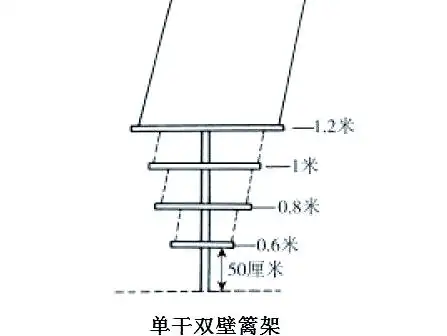
It is recommended that a concrete pillar of approximately 2. 5 metres long and 12 cm long be selected as a material for the support. These columns are placed in the direction to which they follow and are maintained at a distance of approximately 6 metres, with a depth of control between 50 and 60 centimetres. A combination of a single-column double-barrel fence with a back-barrel model, such a structural design would not only contribute to the early results of grapes, but also ensure later production。
1. 3. Plantation
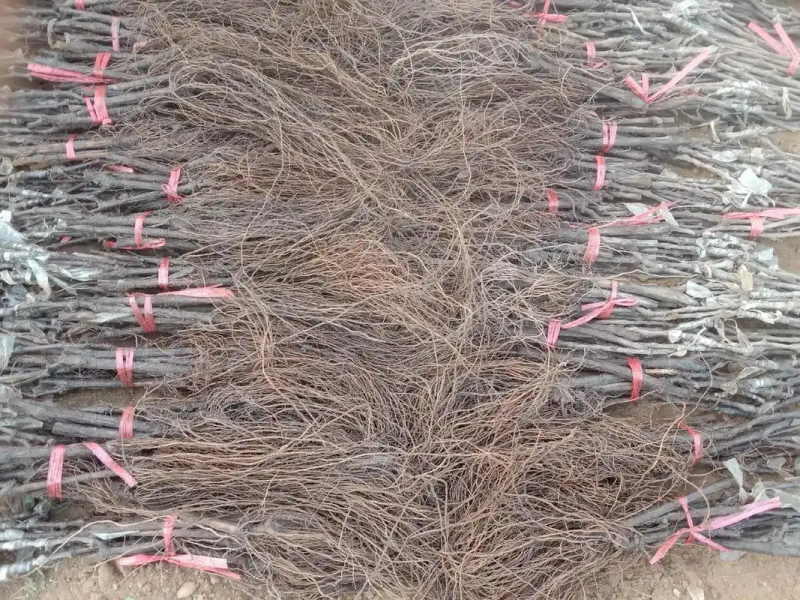
The seedlings have been planted with a full-fledged, sprout-eyed first-stage incubation, with bedda as the best option. Cultivation at an appropriate distance of 1 m x 4. 5 m ensures a moderate number of red seedlings per 667 m2. At 7-10°c, spring temperatures are the best time for planting, while in the warm winter areas of the south, late autumn or winter, planting is equally appropriate。
Rational fertilization and water management
2. 1 scientific fertilizer strategy
Fertilizing is an essential part of the red-tied planting process. We should be guided by the principle of applying organic fertilizers, focusing on the application of base fertilizers and applying them flexibly. It is recommended that the application of base fertilizer be carried out in the autumn by ditch, with a total of 5,000 kg per acre of crop straw, animal and animal excreta and soil fertilizers, combined with 500 kg of calcium sulphate mixed, which is then filled and fully plattered, eventually covering the soil back into the ditch, and fully irrigated. The use of fertilizing is subject to flexible adjustments based on the age of the tree, the position of the tree and the amount of the result, which is approximately three times a year。
In order to promote the maturity of red-tired fruit and branches, it is proposed to add urea, potassium dihydrophosphate and necessary trace elements, such as calcium and boron, to appropriate levels of fatting。
2. 2 scientific irrigation
The frequency of irrigation is determined by soil moisture and care is taken not to overwater. Critical periods throughout the year, such as seedlings, catalytic flowers, catalysts and freezers, should provide sufficient moisture. When water is watered, small water should be chosen to slow down, avoiding heavy flooding and, if necessary, opening additional canals to slow the flow. In the early years, especially, care should be taken not to wash leaves with water。
In arid areas, frozen water and seed water irrigation are particularly important. Once water is poured, weeding should be done with pine soil in order to improve soil aerobicity, increase the temperature of the ground and reduce water evaporation, thereby promoting plant growth。
Careful management of flowers
3. 1 plumbing
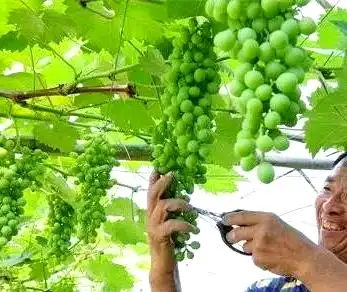
For large and large varieties such as red-tied grapes, the number of ears must be strictly controlled. As a rule, we should remove about one third of the ears from the nutrient branch, while the result is to keep a single ear in order to ensure high productivity and quality over the years. Excessive, too small or alien-shaped oscillating oscillates shall be removed and the weight of each oscillation shall not normally exceed 1. 5 kg。
At the same time, fruit ears need to be treated in the process of graft and binding. The fruit is too long to be drawn to the tip of one fifth of its length to ensure its integrity. At the same time, the emergence of secondary fruit sequences or ears should be removed in a timely manner, as well as the removal of small particles, malformations and pathological particles to avoid waste of nutrients。
3. 2 vegetable bags
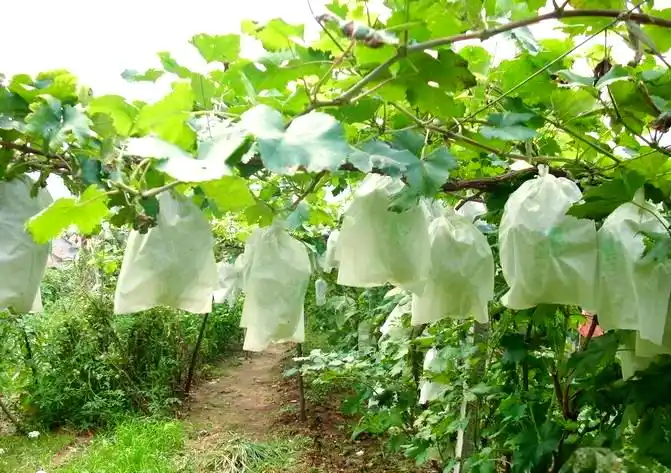
In the management of the cultivation of red-tied grapes, a fruit pack is an important technical measure. Usually carried out some 22 days after the bouquets, the aim is to protect the ears from pests and diseases while improving the appearance of the fruit. Through bags, we can effectively reduce pesticide residues and make fruit healthier and safer。
Upon completion of the kits, close attention should be paid to pest control, particularly of leaves. A bag operation can be performed one to two weeks before the harvest, preferably before 10 a. M. And after 4 p. M. In the middle of the day。
Integrative and trim
4. 1 importance of summer cut
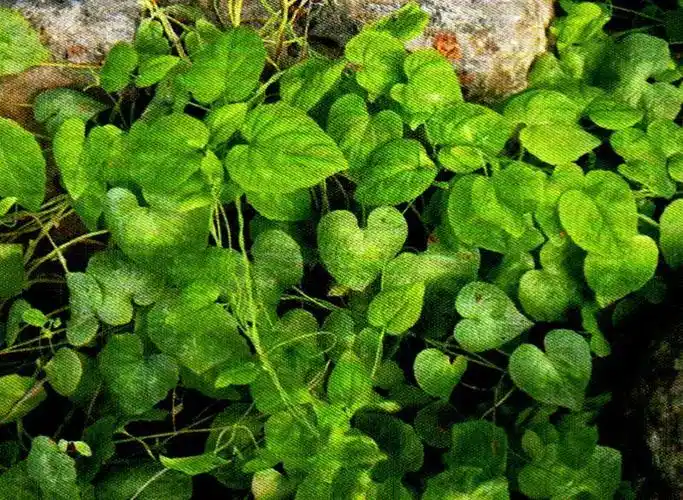
Summer shears are a key component in the cultivation of the chicken and the fruit branches. Summer shears promote the healthy growth of the main and side chickens and ensure that the plants are well ventilated and lighted. At an early age, each tree needs to grow between three and five main chickens, taking care or removing extra buds, to ensure that the main chickens are able to absorb water fattening and light heat efficiently and thus grow well。
4. 2 winter cut
During the winter cut-off period, from the fall of leaves to the burial, the winter cut-off is mainly for the development of female branches, the cutting of ill and weak branches and the maintenance of surface ventilation. A robust and productive skeleton has been constructed using a multi-principal dryer. At the same time, cuts are needed to remove stunts with poor growth or lower maturity and to cut off the lead。
In the winter cutting process, we used a two-strength shortness method and determined its length according to the frame of the main chicken。
555. Disease control
The control of pests and pests is based on a preventive and integrated approach, with scientific fertilisation and cutting combined with artificial and chemical control. Through scientific fertilization, especially by increasing the application of potassium phosphorus and by controlling the use of nitrogen fertilizers, we can effectively prevent overgrowth of branches and over-depression of the shelf. It was also essential to rationalize the cutting of branches and maintain a well-surfaced ventilation and light。
066. Winter winter preparedness
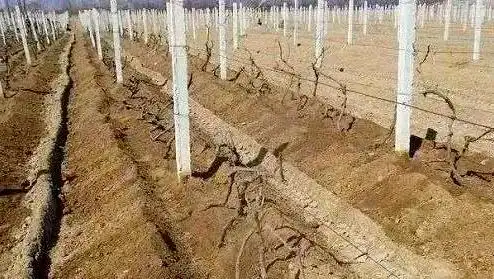
In the northern region, winter winter winter preparedness for red grapes is crucial. In the north, the application of a cold-proof burial method ensures the safe planting of plants over the winter and timely land and inspection. Usually, we use the burial method to ensure that grapes can survive the winter safely. This process will need to be carried out after the leaves have been trimmed, by slightly overwhelming the plant along the planting line and carefully sealing it with fine earth to ensure that the chickens are not exposed in order to form continuous earth。
The excavation should take place at an appropriate time, not too early or too late, usually in late april, and ensure that it is completed within one week. Particular care needs to be taken in the excavation process in order to avoid injury to trees in order to prevent it from occurring。