High-yield and high-quality farming techniques for grapes. Points
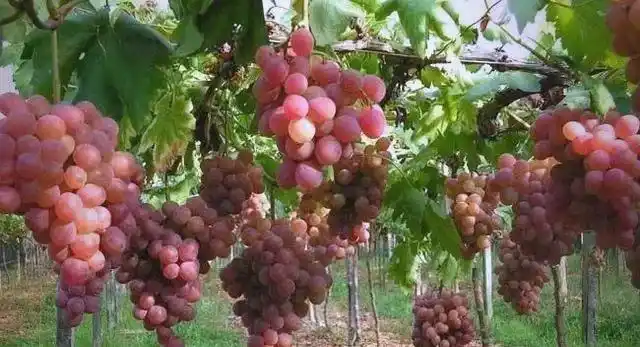
Grapes, a fruit of high economic value, is an important option for farmers to grow wealth because of its wide range of adaptations, relatively high requirements for planting techniques, early outcomes and quick-impact characteristics. The choice of varieties is particularly critical during planting. The selection of suitable grape varieties is essential for different production uses, climatic conditions, soil characteristics and unique varieties. For example, in the north, the varieties of fresh grapes that are suitable for cultivation include the non-nuclear, cold, etc., while in the south, non-nuclear varieties such as hax and creson can be chosen。
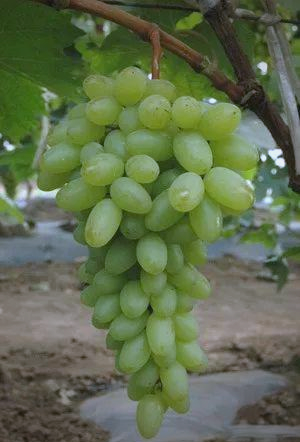
Qingti's planting points
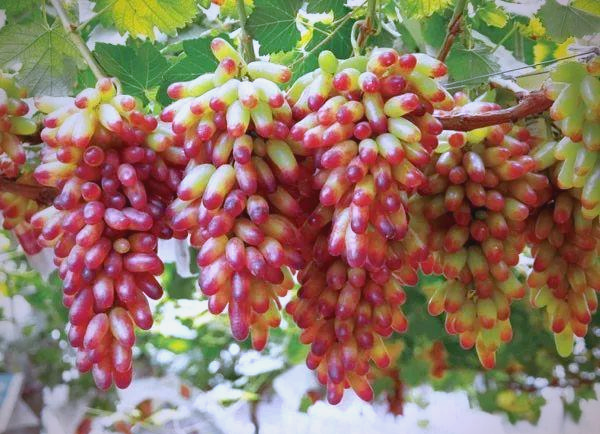
Qingti, as a grape, also deserves attention. In the process of planting, we need rational cultivation management based on its growth characteristics to ensure its high quality. First, it is important to select suitable planting sites to ensure that the soil is fertile and well drained, providing a good basis for green-tied growth. Second, rational fertilization is also key, with appropriate levels of organic and phosphorus fat applied at the appropriate time, depending on the stage of growth and demand. Attention is also being paid to the prevention and control of diseases and pests, which are regularly checked, promptly detected and effectively combated to ensure healthy growth and high quality of production。
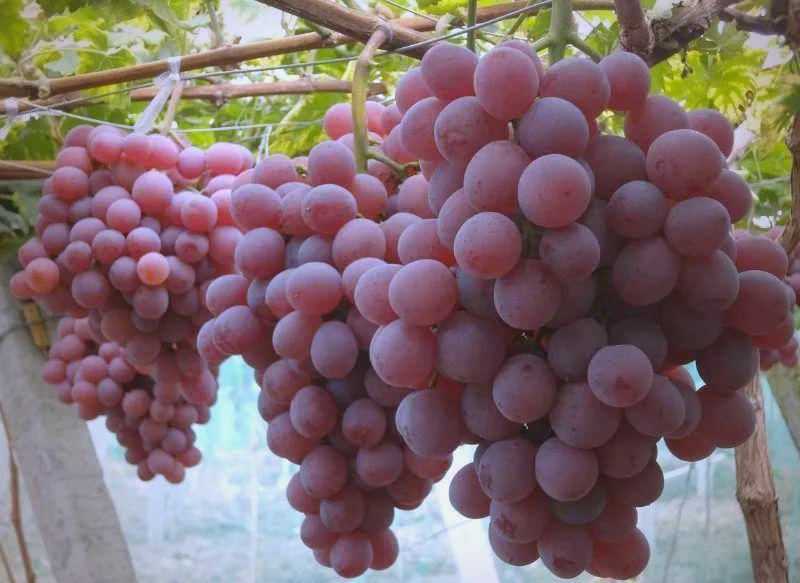
Point of cultivation for the red tip
The main elements of the cultivation of red ti, the same as those of grapes, cannot be ignored. When we grow, we also need to pay attention to their growth characteristics and to maintain them rationally. First and foremost is the selection of suitable planting areas to ensure soil fertility and drainage and to create a solid foundation for the growth of the red-tied. Second, fertilization strategies are equally important and require appropriate and timely application of organic and phosphorous potassium fertilizer, based on the growth phase and nutritional needs of the red. In addition, the prevention and control of pests and diseases must not be neglected, and regular inspections, timely detection and effective prevention and treatment are key to ensuring healthy growth and high quality of production。
Scientific planting
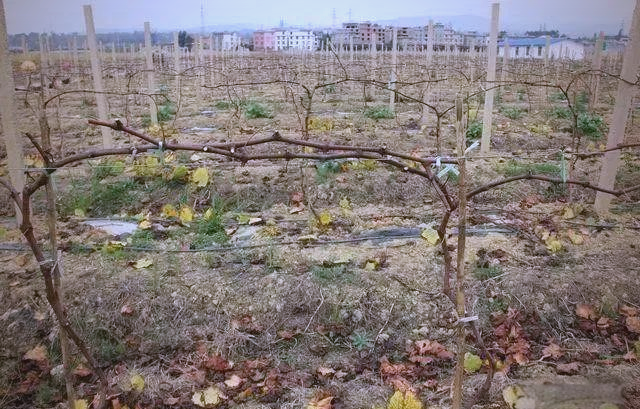
The cultivation of grapes requires the choice of fertile land that is ventilated, sun-oriented and well drained. For shed planting, the range of grapes should be between 5 and 3 metres, while the range is between 3 and 6 metres, with 37 and 148 grapes per acre. When designed with small sheds of modern early production gardens, the range of grapes can be reduced to 1 to 5 metres by 3 metres, with approximately 200 plants per acre. Grapes grown by the fence usually range from 5 to 2 metres by 5 to 3 metres, with a capacity to plant 111 to 296 grapes per acre。
Prior to planting, 80 centimetres of laid-down caves or 80 centimetres wide and 80 centimetre-deep strips are required. Between 5,000 and 10,000 kg of soil fertilizer per acre are applied and then refilled with soil layers. Subsequently, the vine trees were planted in caves or ditches to ensure that the roots of the trees were properly covered and that sufficient water was planted. To keep them wet and dry, it is possible to cover the fine soil around the trees and form a small pile of earth in order to promote the early growth of the trees。
In addition, pre-planting must be preceded by the complete removal of the wraps outside the matrimony interface with a sharp knife (for seedlings, the hairing of the aluminum under the matrimony interface should be removed in time to ensure the purity and strength of the species). These measures are key components in ensuring healthy grape growth and high-yield quality。
Fertilizer water management
When grapes are planted, weed removal and soil laxation are essential to preserve soil. During one to two years after planting, a suitable range of trough crops, such as peanuts, strawberries and beans, can be made so as to increase land use without affecting the growth of grapes。
Grapes are highly fertilized plants, so the application of organic fertilizers, whether in larvae or adult trees, is key to achieving high-quality productivity. Usually, between 5,000 and 10,000 kg of fertilizers or cortex, green fertilizers, etc. Are applied per acre. Fertilizers should be applied by guttering, i. E. By digging strips between grapes, where fertilizer is applied to cover the soil。
In addition, rational pursuit of fat is essential. Fatten should be followed three to four times a year, before the bud, after the flower, before the fruit is coloured and after the fruit is harvested. The pursuit of fatty is dominated by fast-acting nitrogen fertilizer, combined with phosphorus potassium fat and a certain amount of human urine to ensure healthy growth and high quality of production of grapes。
At the same time, irrigation of vineyards cannot be ignored. Water is needed to promote seedlings, preservation of flowers and drought preparedness until the onset of the soil, 7 to 10 days after the flowering and before winter. The amount of water should reach the root system distribution layer, with a general depth of 60 to 80 cm. During the rainy season, attention needs to be paid to drainage in order to prevent damage to grapes caused by water accumulation。
Integrative trim
And then we're going to look at the oscillation techniques of grapes。
The oscillation of grapes is an important part of vineyard management. The shape may be chosen in a manner that is specific to the circumstances. The scaffolding is applied in the case of large vineyards and long branches, which can be formed in a dry form, divided into sole, double and triangulations. The small-shelter style combines the strengths of the fence with those of the large-shelter structure, both overcoming the disease-resistant deficiency of the fence and contributing to the colour of the fruit. The fence formula, on the other hand, applies to situations where space is limited or intensive cultivation is required, with a good plasticization of the fan and high-yield quality by rationalizing the number and location of chickens. For specific operations, a reasonable trim and adjustment is required in accordance with the selected integrative method, combined with the growth properties of grapes。
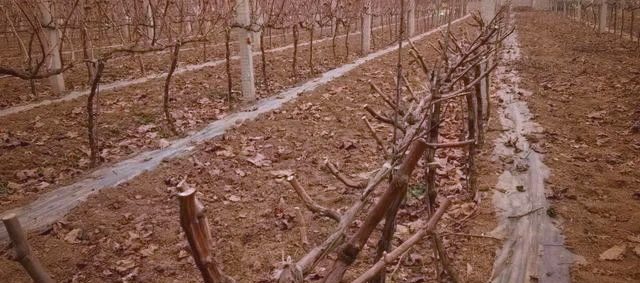
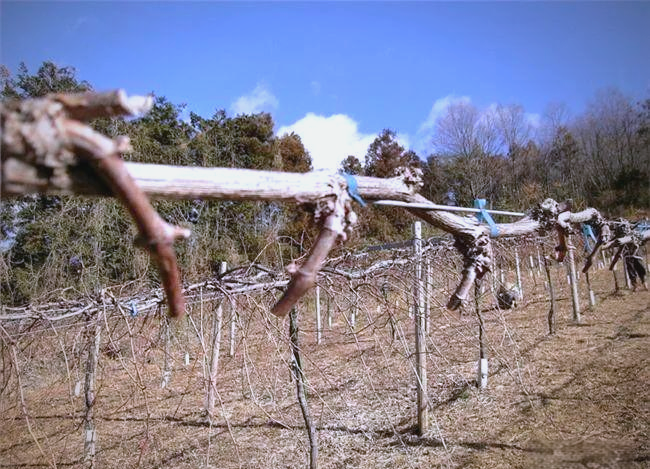
Once the tree has been shaped, grape cutting becomes an essential part of the year. Cuts can be made in winter and summer. In winter cutting, we need to consider two key factors in combination: the appropriate number of branches to be left within a unit area, and how to properly determine the length of the cut of the parent branch. Normally, 10 to 12 strong branches per square metre are more appropriate, which is equivalent to retaining a new spot every 10 to 15 centimetres on the resulting parent branch. However, the specific cut-off length of the parent branch of the result needs to be fine-tuned depending on the characteristics of the species, the method of plasticization, the use of the chickens and the growth and age of the trees. Our goal is both to ensure maximum results and to maintain good nutritional status and ventilation and balance growth and outcomes. For example, if a small amount of branches is left during winter cutting, the result is that the length of the parent branch is appropriately longer; conversely, if a larger number of branches is left, the length should be reduced accordingly. Similarly, the length of the output can be longer for long, robust or disease-resistant varieties, while the length of the cut should be shorter for weaker or disease-resistant varieties to maintain health。
With regard to the updating of outcome clusters, we have adopted a single approach. In particular, two to three buds are kept for one year. In this way, in the second year, when these branches emerge and produce results, we select the one-year branch of the lower part of them for short cut-off as the next year's result. The remaining branches were cut off. Since then, it has been updated annually in this manner to ensure the robust capacity of the outcome groups。
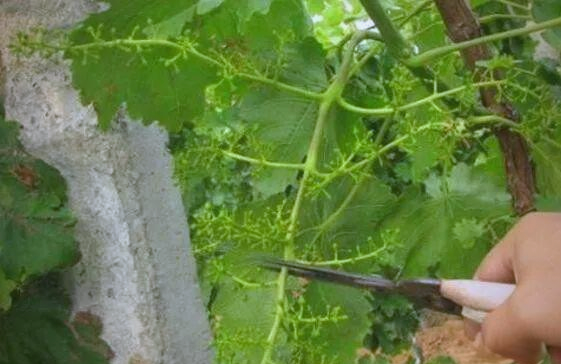
At the same time, the work on the summer cut is also crucial. New focus is an effective means of controlling growth and regulating nutrition distribution. Usually, we have a new choreography 5 to 10 days before the troupe appears, which can temporarily stop the troupe, thereby allocating more tree nutrients to the troupe, promoting its good development and increasing sit-in rates. We reserve five to six leaves for the heart of the hues that need to be preserved, and seven to eight leaves for the luminous branches that need to be preserved as nutrient branches. Once again, as the new steps grow again, we reserve two to four leaves at the top for the heart. In addition, the handling of bystands is an important part of the summer shears, and we usually keep only one leaf each time and repeatedly exercise care control。
• plumbing: synchronizing with the master's heart before flowers, the strong branches usually keep two, the particularly strong branches keep three, and the weaker branches keep one. For a weak branch, although it does not produce results, it can be nurtured as a parent in the coming year. The strong branches of large grain varieties are generally kept with only one ear, while the particularly strong branches are retained with two。
(b) discretion: within five to seven days of the beginning of the flower, the ear shall be removed and a third of the top of the line shall be removed。
Snitching: for large grain varieties, such as pyrotechnics, strict ointment is required. Usually 25 to 30 grains per ear fruit, up to a maximum of 35. Scheduling should take place in the hours when the grain grows to soybeans, with the removal of deformity and disease。
Packages: the packs are a key step in the production of good-quality grapes, especially for large grapes, and they contribute to the growth of fruit grains and to the smooth appearance of fruit. Packages should be performed immediately after the berries, using either a grape-specific or home-made newspaper bag. However, before the pack, microbicides must be carefully sprayed for the nuts。
Pest control
Throughout the year, prevention should be the primary focus of an integrated approach, with observations and predictions based on climate change and pest characteristics, early prevention and drug spray protection. Grapes are prone to frost, powder, black bean disease and white rot, and pests such as brows and fin moths. Controls include strengthening field management, removing weeds and dead branches and creating a good ecological environment. Spraying the corresponding agents, such as 5 degrees of thiram and 1:2,200 times the bordeaux fluid, before and after germination. In case of severe pests, such agents as aphids (aphids) can be sprayed, and 90 per cent of the methyl tobuzin humid powder is 800 to 1,000 times more liquid。
It's winter
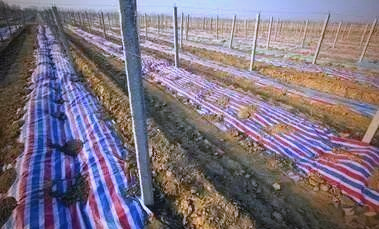
In the north, raisin cultivation requires winter soil to protect against cold to ensure a safe winter. Burials should take place before the soil is frozen and are not conducive to cold-proofing effects either early or late. The thickness and width of the cold-proof soil are determined by the local climate and the resilience of the species. (c) placing the chickens on the ground along the line, covering them directly with soil, and incorporating warmer materials such as corn straw, old plastics and straw curtains. The covered pieces of soil should be broken to prevent venting and the removal of soil should be far from the plant to reduce the freezing of roots. In the event of a break in the winter cold layer, fill it in time. The winter response can be carried out twice to ensure that it is completed before the soil is frozen。
Let's go
Work on soil rises usually begins after the soil has been unfrozen until the grapes are ready. Early soil production may have an adverse impact on preplant growth, especially in cold spring and dry windy areas and years, and it is therefore more appropriate to opt for a later release. However, it is necessary to ensure that the soil is released before the buds begin so as to avoid harm to the buds. The process usually takes place in two stages, the first in mid-april, at which point only one layer of soil is removed and one layer is retained to protect the chickens from sprouts or thawing, while the second removal takes place before or after the first section, when the local apricot is present, at which point the soil is released and left unattended, before the grapes are mounted. When grapes are excavated, high concentrations of microbicides are usually required for protection。