Gravity plants are subject to the three principles of “specific appliance, scientific planting, precision management”, and the right steps can increase the survival rate to over 90 per cent, with some species achieving a small number of results in the year. Taking into account the ministry of agriculture and rural development's technical instructions for grape cultivation and the practical experience of the main production areas, the following seven key steps for the elaboration of grape cultivation are cross-checked across the web, with data from authoritative sources。
I. Choice of varieties: geographical choice of species is a prerequisite
1. Northern region (north-west china, north-east china, north-west china)
Precedence is given to cold-resistant varieties such as mega-peaks (durable - 15°c low temperature), red earth (which needs to be buried in winter but is productive), and summer and black (pre-cooked disease). In this case, the top grapes are grown over 40 per cent of the area in shandong and hebei and are suitable for entry。
2. Southern region (south of the yangtze)
Priority is given to high-temperature, high-humid varieties, such as sunshine roses (high disease resistance, high sweetness), big roses (wet-resistant heat, fragrance fragrance) and magenta 1 (suitable for rain-prone areas). Sunshine roses are prominent in yunnan, zhejiang, etc., and in 2024 the market bought 30 yuan per pound。
3. Special environmental suitability
(a) dry areas: selection of cactus (wine-breeding, drought-resistant)
Saltline: recommended moldova (salin resistant ph 8. 0 below)
(b) plantation: preferred summer black-free, intoxicated gold (depreciated varieties, compact strains)。
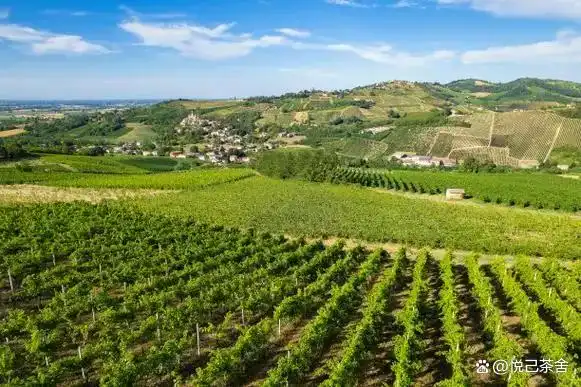
Ii. Timing of planting: north-south optimal timing of climate decisions
1. Northern region
Spring planting: late march to early april (after the soil has been unfrozen, before the buds), when temperatures stabilized at more than 10°c to avoid spring cold. Cultivation experience at the liaoning camp indicates that spring cultivation is 15 per cent higher than autumn planting。
Autumn planting: between mid-october and early november (after the fall of leaves and before the soil is frozen), 20 days before completion, the roots are reserved for healing time and the soil must be laid to protect against the cold (over 30 cm thickness)。
2. Southern region
From november until early december, when autumn was the main plant, the temperature was still around 15°c, the roots could continue to grow and the following year was young and strong. Comparative data from guangxi guilin show that autumn plants were 15 days ahead of spring planting and that the length of the new season increased by 20 per cent。
Site selection and soil improvement
1. Site selection criteria
Lights: 1500 hours of annual sunlight, avoiding building cover (at least 6 hours of direct light per day)
(a) geogravity: high-lying, well-drained slopes (15° slope) are selected and low-lying areas need to grow
Soil: priority sandy soil (ph value 6. 0-7. 5) and visceral soil (2000 kg per acre plus river sand)。
2. Soil improvement
(a) deep tillage: a month before planting, deep tilled soil 40-60 cm, breaking the plough floor
Fertilizers: 300-500 kg (e. G., goat dung, cow dung) per acre + 50 kg of calcium per phosphate, evenly distributed and then turned into soil
Acid: acid soil (ph8. 0) 30 kg of sulphur powder per acre。
Treatment of trees: 3 steps to live
1. Seed selection criteria
(b) one year of seedlings: 0. 8 cm cortex, complete root system (principals 3-5, 20 cm length), no pests
(a) induced seedlings: the interface is healing well and the logs and symphonies are very friendly (e. G. So4 logs commonly used in mega-peaks)
Inspection: remove the weak, black, dreary, high-quality, full-eyed, white roots。
2. Plumber trimmed
(a) roots: cut the broken and decaying roots, retain the health roots and sterilize the wounds
Scripts: 2-3 short sprouts, cutting distance 1-2 cm to avoid loss of water。
Leaching
(a) water impregnation: the roots of the tree are immersed in the water for 12 to 24 hours to allow the roots to fully absorb the water
Pharmacological treatment: the incidence of root disease can be reduced by using 50% polybacterium 500 times + 1000 times root agent (e. G. Acetic acid) impregnated root system 30 minutes after drying。
Planting methods: 4 key details
1. Digging pits
Digging pits by line distance (stamping: 1 - 1. 5 m, walk 2. 5 - 3 m, shed cultivation: 1. 5 - 2 m, walk 4 - 6 m), depths of 60 cm, flooring of 20 cm thick slurry or wood chips (enhanced permeability)。
2. Plantation techniques
(a) saplings: put the trees in the middle of the pit, roots spread out, eye gushing towards the outside side (for later chickens)
(b) landfilling: first the surface corroded soil, then the seedling tree binds the roots to the soil, then fills the ground floor, so as to avoid empty holes
Depth: thrawling interfaces are 5-10 cm above ground level (preventing rooting), from root to neck。
3. Watering of roots
After planting, water is poured through the root water (500-800 kg per acre of water), 500 root agents can be added, water seeps cover the membranes (black membranes humidifiers) and earthly pressured around the membranes。
Post-plant management
(a) vagina: within 1 month of planting, high-temperature areas need to be equipped with sunnets (50 per cent luminous) to avoid leaf atrophy
Zhmil: 10 days after planting, life is tested, and the seeding is delayed。
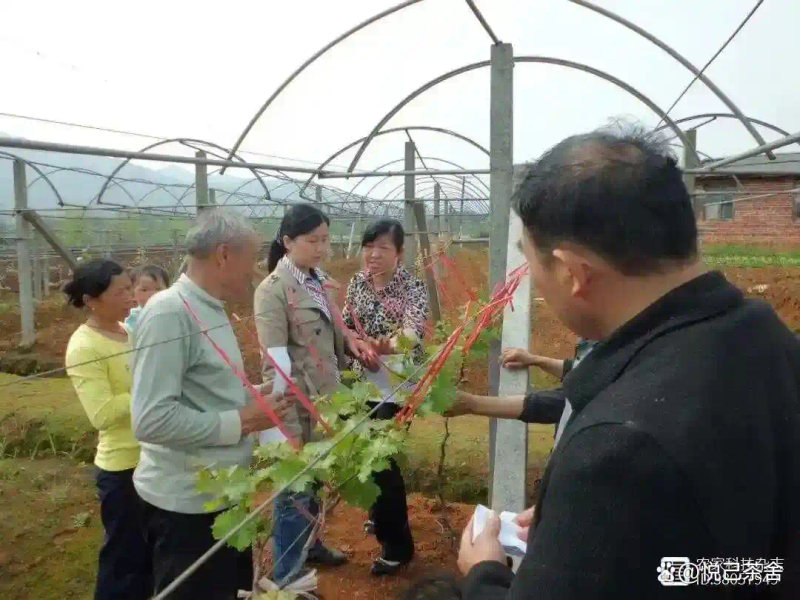
Vi. Management highlights for the first year of existence
1. Sterilization
After the bud, keep 2 strong new steps and the rest erased
When new steps are up to 30 cm, choose one master culture and the other as a backup (replacement if the main steps are damaged)。
2. Structure
(a) fences: a frame with a height of 2. 5 metres and 3-4 barbed wire (60 cm above the ground and 50 cm above)
Scaffolding: 4 metres in length and 1. 8 metres in height, with barbed wire forming a 50 x 50 centimetre grid。
3. Fertilizer management
Watering: keep the soil humid (60% water) until it reaches 20 cm and avoids drought
Fertilizers: 20 days apart, 2-3 times after 30 cm, 20 kg of potassium fertilizer (15-15-15) per acre
Leaf fertilizer: 0. 3% long-term spraying of potassium phosphate + 0. 2% urea per month。
4. Pest management
Diseases: spraying of bordeaux (1:2,200) after germination to prevent frosting every 10 days during the rainy season
Pests: aphids and red spiders can be treated with 10% aphids and 1,500 times liquid。
Supplement to north-south difference management
1. Northern region
(a) temperature protection: before winter (mid-november), the branches were overcrowded over the earth, 30-50 cm thickness of the land to prevent freezing
Windproof: wind barrier at the wind mouth to reduce the drying of branches by dry wind during the winter。
2. Southern region
Drainage: digging drains (deepness of 50 cm) before the onset of the rainy season to prevent the accumulation of water in the field from causing rotting roots
Shade: at high summer temperatures (35°c), sunnets are built to reduce temperature in the shed and avoid sunburning。
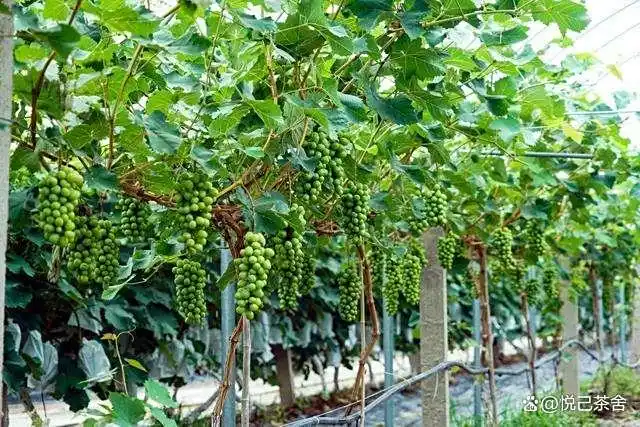
Gravity cultivation is subject to strict adherence to the principles of “breeding suitability, timing and detail”, with a total of seven steps from selection to post-plant management. The emphasis on cold and spring crop management in the north, the emphasis on drainage and autumn cropping advantages in the south, as well as on soil improvement and treatment of trees, can significantly increase the rate of activity and later production. It is recommended that management measures be adapted flexibly to the physical environment, with reference to the manual for the standardized cultivation of grapes in the local agricultural technology extension sector, to lay the foundation for high-yielding grapes。
(note: reference is made to the report on the development of the grapes industry in china (2024) (china agricultural press); quoted from the guangxi academy of agricultural sciences technical instructions for grape cultivation in the south (2023); quoted from the ministry of agriculture and rural development technical guidelines for grape green cultivation (2022); quoted from the fruit tree institute of shandong province, technology for cultivation and cultation (2023)