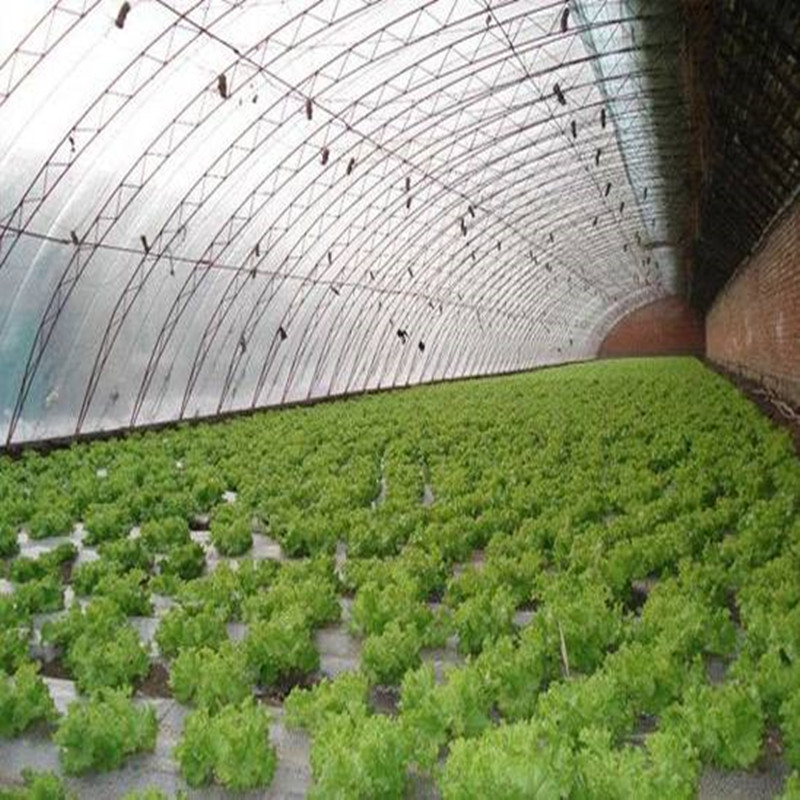
The high quality requirements of vegetable greenhouses or of fertilizer management require a scientific perspective. The selection of the planting grounds is delicate and the land is renovated prior to planting. Weeding and so on. Due to the difference between the temperature in the temperature room and the external temperature, appropriate fertilization should be applied to avoid soil degradation due to excess fertilizer. Rational application of potassium phosphate to reduce nitrogen fertilizer。
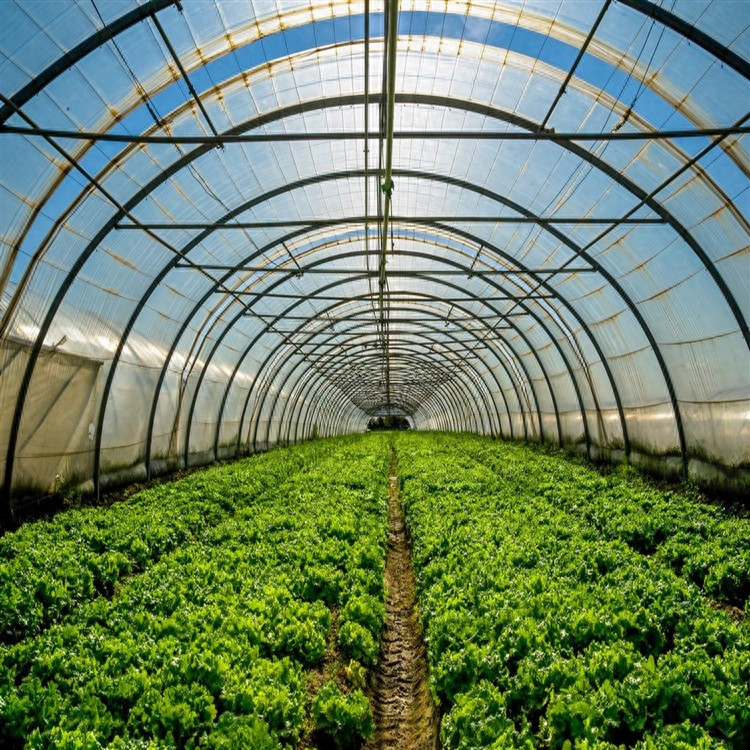
The total span is 8-12 m, with a shed length of 60-120 m, with a earth wall and three rows of columns, with bamboo and steel frames. There is no drip sheet on the surface of the shed, thereby increasing the temperature in the shed. - the selected varieties are resistant to cold temperatures, low light requirements, resistance, damp resistance, high yield and short planting time. Only high-yielding and high-quality vegetables can meet market demand and improve economic efficiency. They include cucumbers, tomatoes, peppers, etc. In greenhouse vegetable cultivation, the relative closure of greenhouses makes them vulnerable to the production of harmful substances that affect the growth rate of vegetables. It is therefore necessary to control the shed properly and to use it rationally。
In the morning, vegetables lacked carbon dioxide in greenhouses, adequately replenished co gas fertilizers and promoted vegetable growth. When the temperature is high in the afternoon, the vents are properly opened and the gas is replaced to avoid harmful gases endangering vegetables. The choice of greenhouse vegetables is mainly warm, with a maximum temperature of 25°c ~ 33°c, a survival temperature of not more than 44°c and a low temperature of not less than 0°c. When temperatures exceed 33 °c, cooling can be done by setting up regular sheds, changing wind holes, spraying, etc. When temperatures are below 0°c, heated treatment such as heat heating is performed. Note the control of humidity in the shed and avoid excessive humidity affecting the growth of vegetables. Regular ventilation is therefore necessary to improve the humidity in the shed。
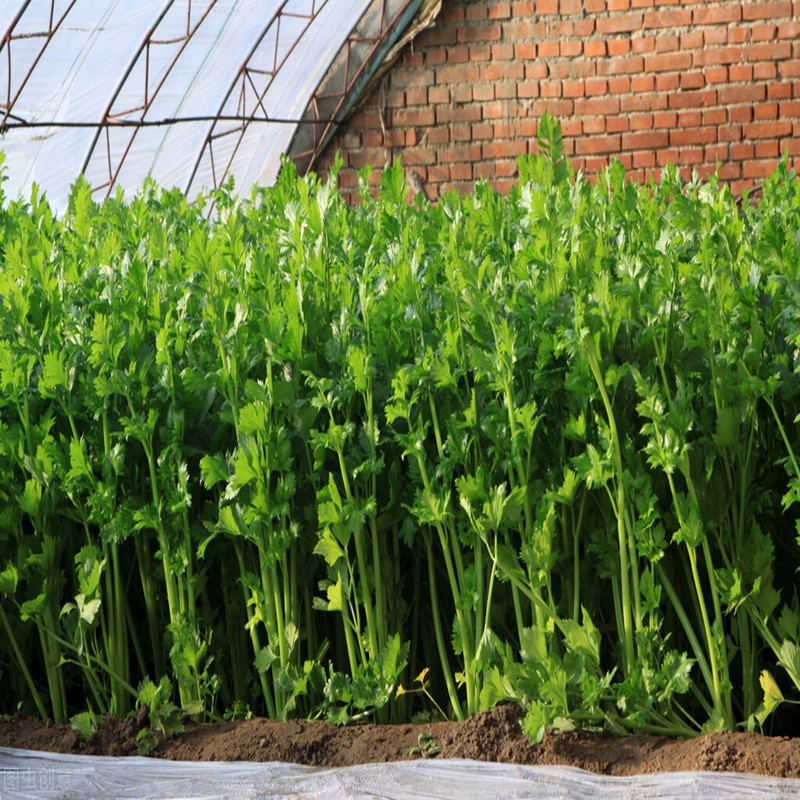
The evaporation and spread of water in the greenhouses is relatively slow, with many greenhouse vegetables evaporating at half the rate of outdoor vegetables, especially in the evenings, the sun and winters, where air moisture is saturated. The greenhouses are soaking wet that they seriously affect the growth of vegetables. Thus, dripping of greenhouse vegetables under the membrane would not only significantly improve the environment in the shed, but also control the humidity within normal limits, maintain the temperature in the shed and reduce the incidence of disease and increase the production of vegetables. Undercover drip irrigation is an economic, convenient and effective irrigation method。
Since vegetables are susceptible to insects during their growth, the main method of control is drug control and integrated treatment. The common pests are tigers, aphids, etc. To exorcise insects and choose scientific drugs, it is important to choose the right time and the right drug. In general, the selection of copper- and zinc-containing agents, which can not only be ultracorrigible, but also increase the resilience of vegetables and contribute effectively to crop growth; maintain a good ecological environment, reduce moisture, control the growth of pests and pests and reduce the quantity of drugs; and have indigenous bacteria as serious pathogens, which, if not well controlled at an early stage, can be contaminated by the growth of vegetables, so care should be taken to prevent physical control of seeding periods, such as deep cultivation, choice of varieties, etc. Treatment and scientific medicine are necessary when there are different levels of disease。