How can the scientific seeding of flowers be carried out when seedlings are planted to produce good seedlings that can grow quickly and easily conserve them
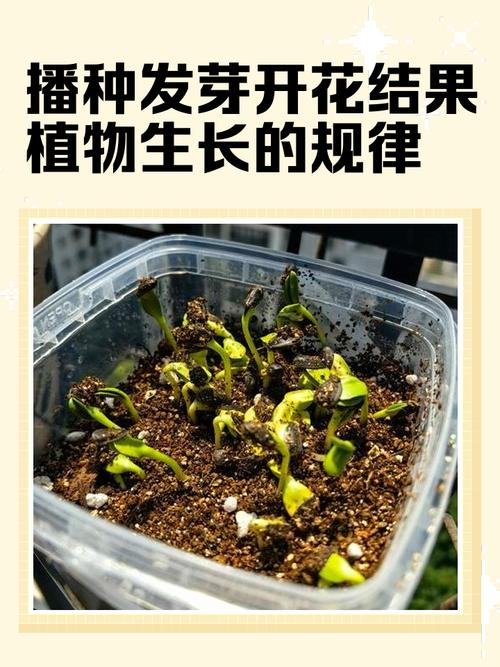
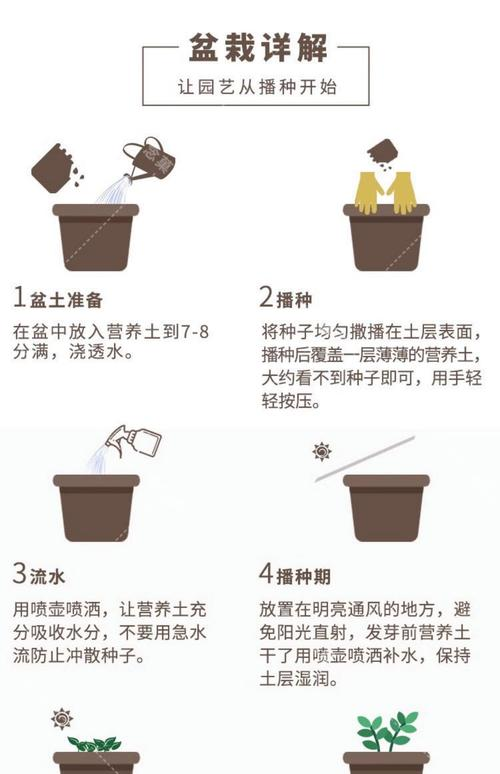
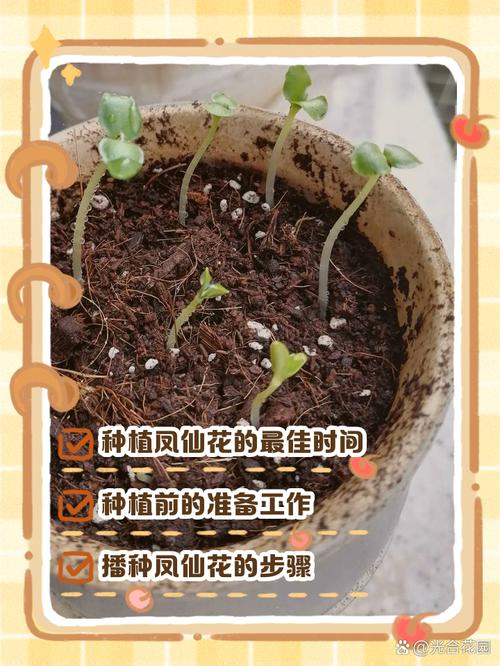
In the case of greenhouse flowers, seeds are usually small, small and small, and the size of the greenhouse is limited, so they are mostly bred by basins. The seed is large, followed by a layer of fine soil, which is then compacted; and if the grain is small, it is compacted and then sowed, without the need to cover it. After planting, more water is supplied by infiltration. The upper glass, which is placed in the shade, the soil that has been affected by the water is so wet that it cannot be watered for three to five days. Later, when the soil is dry, the morning and evening water is sprayed, the glass is taken at night, the seeds are covered during the day, there is no need to cover the glass after the seed has sprouts, the need for transplants is required when there is ventilation, exercise, etc., and the pelvis are crowded. The transplants are usually carried out in the case of one or two real leaves。
The main reasons why the flower transplant needs to be replaced are:
1. The growth of seedlings has increased and the original flower basin is too small to be suitable for seedlings。
If the original soil is undernourished or of a poor physical nature, the soil needs replacement。
3. Disease or infestation, cessation of growth, early fall of leaves, and long-term dramatic reduction in production. The flowering period is shorter and early metabolisms are reduced. The earth is exposed. The presence of earthworms on the soil surfaces of the flooded basins, etc., suggests that plants need to be transplanted。
Flowers that grow throughout the year need to be divided or replaced with soil, as well as basins。
How should scientific management of fertilizers be carried out, given the importance of rational fertilization and watering for the growth and development of flowers?
Valley: water watering and spraying the greenhouse flower needs different moisture depending on the temperature of the greenhouse, the size of the flower basin and the species of plants. Watering and spraying is an important and delicate task in greenhouse flower cultivation. It is directly related to the robustness of flowers and to the flourishing of flowers. The water can be judged on the basis of the following measures:
1. Smugglers with their fingers, indicating that soil moisture does not require water。
2. When the soil is grey, it is dry, it needs water, and when the soil is black, it is wet, not water。
3. When hand-lifting a raisin is justified as dry, water is required。
4. The earth shall be squeezed in pieces or in clusters, indicating that the soil shall be damp, free from water, and the earth shall be crushed, dry and watered。
The amount of water used varies according to the type of flower plant in the field and the length of its life, as well as by season, weather and nature of the soil. In addition to watering the water supply, indoor spray methods are commonly used to increase indoor humidity。
Watering attention
More than eight or eight times less: more grass and less wood; more wet and less drought; more and less leaves; more and less heat and less cold; more and less dry and less poor; more and less pregnant buds; more and less flowers; more and less sleep; and less and less。
The greenhouse flowers of the pelvis plant, which were to be followed up once in early september, before entering the shed in winter, were not to be fertilized or less so that it was not difficult for the crop to flourish and the winter to get through. They were to be fertilized once at the beginning of the spring and summer, generally on the principle of fertilizing, but some of the fall flowers that were to be fertilized in the spring were still to be fertilized in the winter。