Autumn field planting can be carried out in the south-east and south-east coasts, during which planting took place from july to august and the harvest from august to november. During this period of time, the melons enter the off-season season, and their marketing will not only enrich the market supply, but will also yield significant economic benefits to farmers. The climate during this season is characterized by three characteristics: high external temperatures, heavy rainfall, high humidity and vulnerability to catastrophic weather during the pre-growth period of the bitter melon: high-temperature dry climate in the medium term, leading to severe pests and pests; and lower temperatures in the post-growth period, which affect the siège fruit of the bitter melon. As a result, the management of this season's bitter cultivation is more difficult and the area under cultivation is relatively small. Based on different climatic characteristics, the following measures should be focused on strengthening compared to the management of field cultivation in spring-earth rough melons。
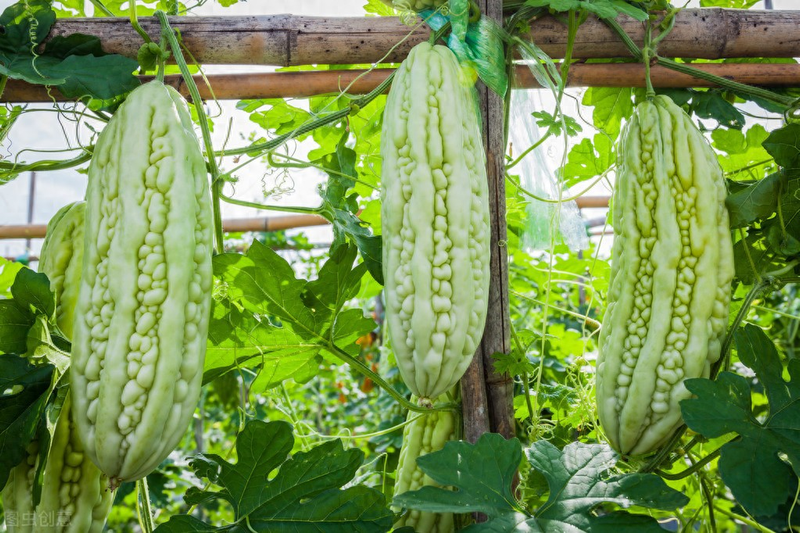
1. Choice of varieties
The bitter melons planted in the autumn were warm, humid and dry in the medium term, and cold and cold in the later stages, with the whole life being in an unfavourable growth environment. Therefore, the selection of high-quality, high-yielding, high-temperature, high-stealing, long-storage, integrated and well-established varieties, such as guangxi big pug, guangxi big pug and guangxi big pug, ying xin, shafeng, jibai, yangtzu, etc。
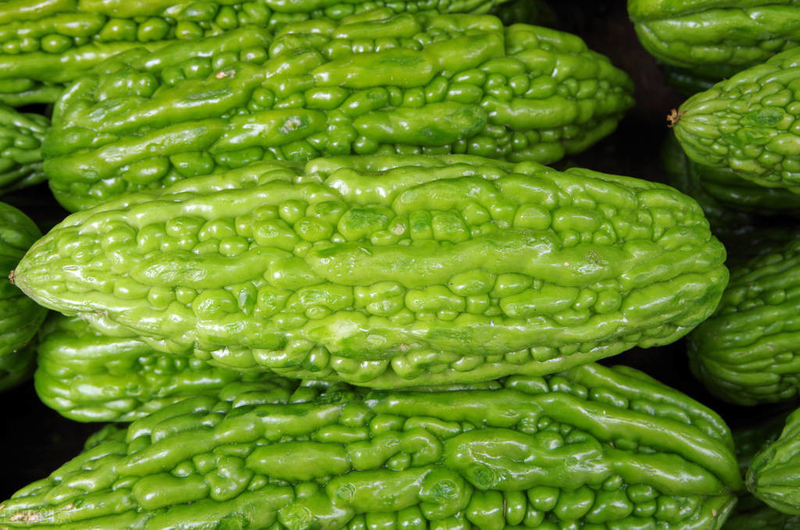
B. Feeding
Autumn poignant cultivation can be conducted live or by planting. Most of them are live, and a small number of areas with poor external conditions are also able to grow seedlings in the same way as spring-field cultivation. It should be noted, however, that in the summer and autumn periods, nursery beds are to be made of sandy or sandy soil, which is ventilated, dry, well drained and close to the established fields. The choice of watering in the early morning or evening should be avoided at high temperatures. The south china region, which was broadcast from late august to early september。
1. Live broadcasts: impregnated seed seed sprouts, when the seeds are exposed, using a dotage method, i. E. A seed den with a depth of 2 to 3 cm, with a drop of 1 to 2 seed seeds, covering 1 cm of fine soil. Water will be poured later, depending on soil moisture, and the soil will be humid to ensure full seedling。
2. Cultivation: cultivation of seedlings by the use of sun-covered nutrients to protect the seedlings and to plant them when the seedlings range between two and three leaves. After planting, care is taken to keep the soil wet to ensure survival。

Three
The site should be a sandy soil of choice, with a deep ditch for high lumber cultivation, which requires a depth of more than 30 cm, and a tortoise-shaped back to form a good drainage system. Plantation should be done as soon as possible, usually at 10-15 days of age, at 2-3 real leaves, and too late to survive. Owing to the long-term short-lived and relatively weak growth of the guerilla plant during the season, the plant may be sown appropriately, depending on the characteristics of the species, to increase the yield of the unit area。
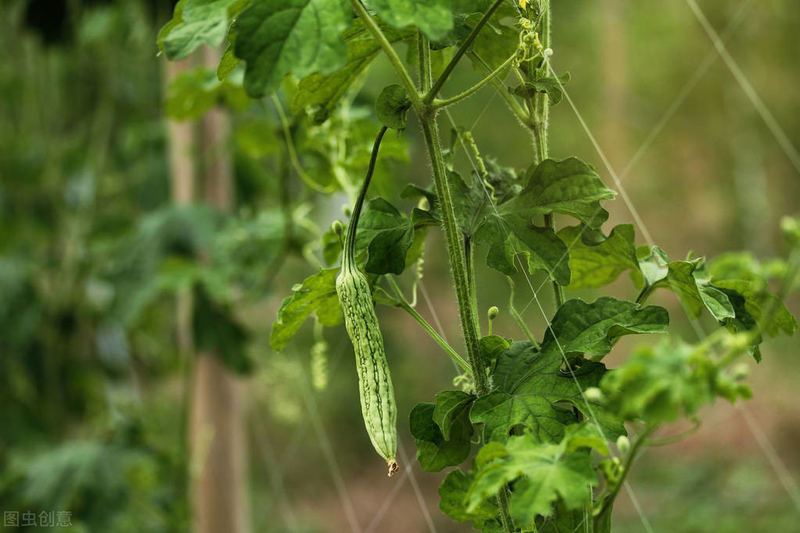
4. Plantation management
1 dodging: the pre-autumn postplantation period should take into account drainage, which is better in high-strength planting, typically 20 cm deep and 40 - 50 cm wide. Low-lying plots should increase the depth and width of drains。
2 fertilizers: and application of all of the base fats in planting ditches, per acre
Fertilized organic fertilizers of 2,000 kg, plus phosphates of 25 kg, or potassium nitrophosphate compound of 40 kg, plus phosphates of 25 kg. The membrane is used to protect against weeds. The use of drip irrigation can serve the purpose of saving water and preserving the particle structure of the soil. The use of drip irrigation in the planting of bitter melons in autumn was more pronounced。
(c) plantation adjustment: the pre-fall planting period is characterized by high temperature and humidity, with easy-to-reach growth, and the timely laying of chickens is key to breeding。
4 fertilizers: the first catch with irrigation should be in the prime of the flower and the second in the guacamole, during which leaf-face fats are applied depending on the growth of the plant. For the first time, 15 kg of potassium nitrous phosphorus, 15 kg of potassium chlorinated, 5 kg of urea; for the second time, 2 kg of potassium nitrous phosphorus, 10 kg of potassium chloride and, combined with spray, leaf-faced folates such as potassium dihydrohydrate. In irrigation, when the temperature is highest in a day, the atrophy of the leaves should be filled with water, which should be done in a timely manner to keep the soil wet. Care should be taken to remove old, yellow and sick leaves in a timely manner, to cut thin and thin branches, to increase the ventilation of the plant, to reduce the occurrence of pests and diseases, to improve the quality of the fruit and to increase later production。
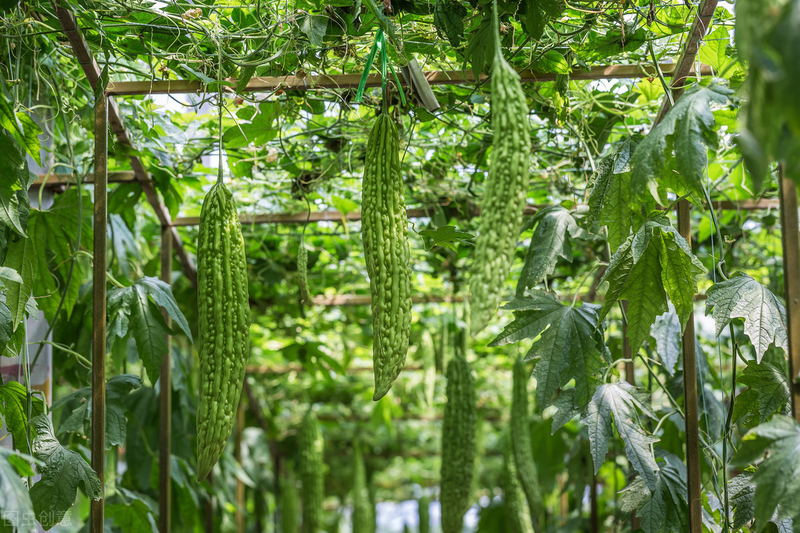
Collection
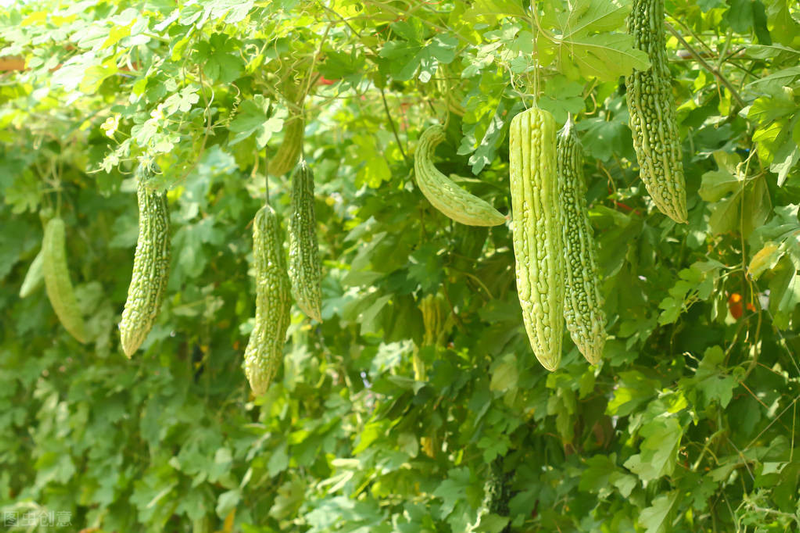
In the fall, the production of bitter melons is short-lived and should be picked early, generally at the maturity of the bitter melon。
6. Pest management
The pests and pests planted in the bitter summers and autumns are more severe than in the spring. Therefore, care should be taken to combine preventive and curative measures. When pesticides are used, the time and the appropriate concentration range for their rational use are strictly observed to ensure that the bitter melon fruit produced meets the standard of a non-publicly harmful melon product。
[conclusion]
This is all of today's content, and growers can refer more to it, or they can comment on what they want to know. I would also like you to pay attention to the young editor and the positive message for the comment