


One, the genre says
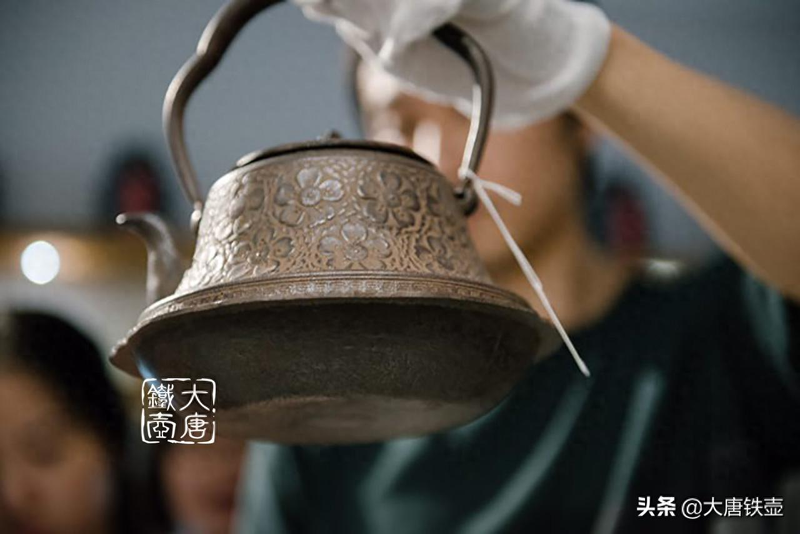
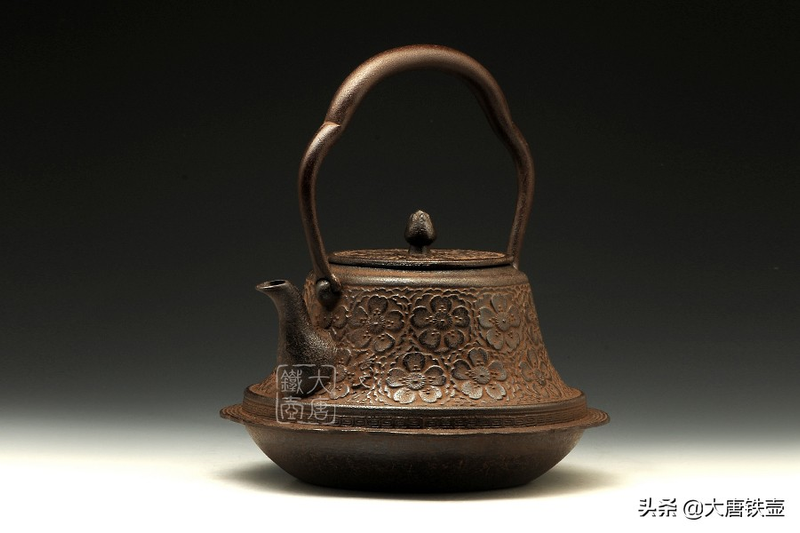
Japan's iron kettles are divided into two main schools — the kyoto pots, which are basically used by large families, with the basic characteristics of a copper kettle cap, and a very sophisticated decoration。
– for the southern pot (not the southern part of the country in a geographical sense, but the territory historically ruled by the clan of japan, known as “the southern part”), ordinary people who prefer tea canteens use them more often, characterized by a whole-of-the-pot and a kettle cap that is made in a simple manner。
Two
As far as iron canteens are concerned, the old japanese canteen's “chambers” and the pottresses, especially the pottress, are equivalent to today's workshops or companies。
Among them, mention cannot be made of the dragon hall, which is the home of the japanese iron kettlester, which uses wax to make iron kettles, affecting japan and europe for more than a hundred years. At the height of the dragon palace, no more than 150 canteens of iron were made in years, and their rareness was visible. The founder of the tortoise hall, mr. Hatano, was ansuke from the dragon hall, while the other master of the iron pots hid him. After leaving the dragon hall, he created his own hall, the tortoise hall。
Although history does not match the history of the tortoise, it is in the eyes of collectors that the desire of thousands of tibetans exists。
The rules of selection
1 seen and name bookings
For kyoto and now most of the southern pots, the selection of the pots through the canteen is the simplest and most preliminary approach. It is possible to identify from where, who, when and where the pot comes from, by means of a dojo or by means of a booking on the back of the pot。
Two, bottom view thickness
Note the maintenance of the bottom of the pot, see if it is thick, leaks, if there are rusty rises and drops, etc. Moreover, there are three holes in the bottom and one hole in the bottom — in general, three holes represent earlier irrigation techniques。
Three, the beam needs to be straight
The beam is - a place that needs to be protected - it must be straight. Do not move your handle on a day-to-day basis, and if your hands are loose and you are not able to stand up, it affects the face and greatly reduces the value of the iron pot。
Four, pick-and-clip. Eye
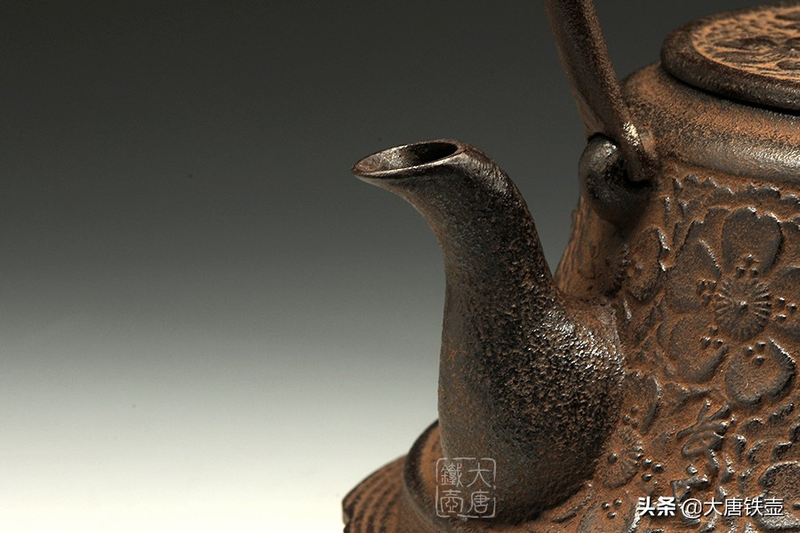
- a fine picker, which, in addition to adding beauty, can be used to identify the iron pot. In addition to copper picks, which are the same as the kettle caps, the picks of jade are also seen, as are processes such as gold coating and silver。
The key point that is easily overlooked in investment is that the masters of the japanese iron kettle are almost no longer alive, and the peak of japanese iron kettle production has been interrupted by world war ii (with almost all of japan's iron and steel workshops closed because of the war). The modern japanese iron kettle, in fact, is very different from the traditional manual semi-manual pre-world war ii kettle, and its sophistication and artistic achievements are far from comparable at that time (mostly industrial canteens and tourist memorial pots)。
Thus, the collection of japanese iron pots should focus on the pre-world war ii peaks。



