Now, many people can learn about the changing realities of japanese industry through a variety of specialized books and scientific literature, and even through practical experience。
But for modern people, throughout the century, there were many things that could not have been imagined at the time. From the production of iron canteens, there are no more signs of evolution than the periods of mingji (1868-1912 a. D.) and tai jung (1912-1926)。
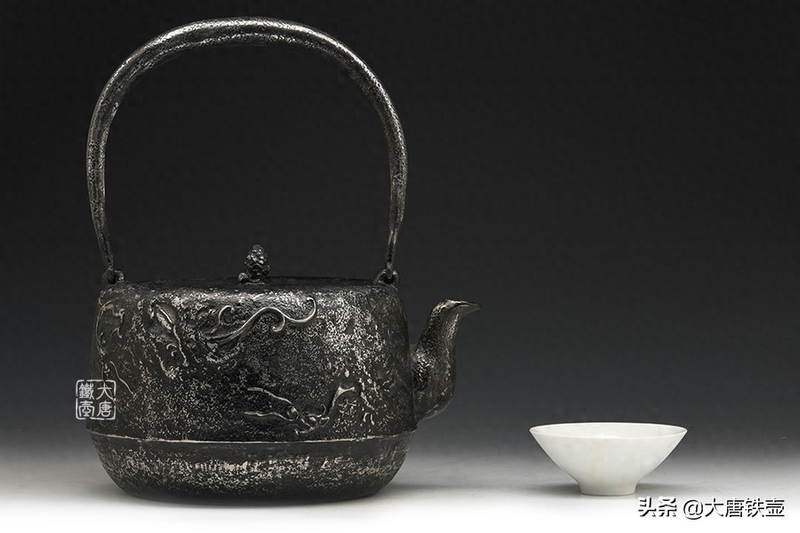
In the thirty-eighth year (1905 a. D.), the yu jinno power station was built in shigegawa. The capacity of some one hundred and ninety lighting power stations in the city is only 250 kwh. At that time, the iron kettle was made while overcoming many difficulties and shortcomings and working hard to create it. From that time's work, there were traces of the iron casting technology at the time, and from the work, there was also a strict spirit among the creators of the iron kettle。
With the development of exploration in mount gold in the history of the southern capital, the abundance of local reserves of sand and iron ore has been further understood. The material basis for the local development of iron casting was laid。
The material used in the production of iron canteens and iron instruments was iron iron ore from the chestnut mines in the southern region of the sichuan region or iron from sand and iron in the kutsu region. It is a kind of iron that contains more impurities than the iron from modern smelters。
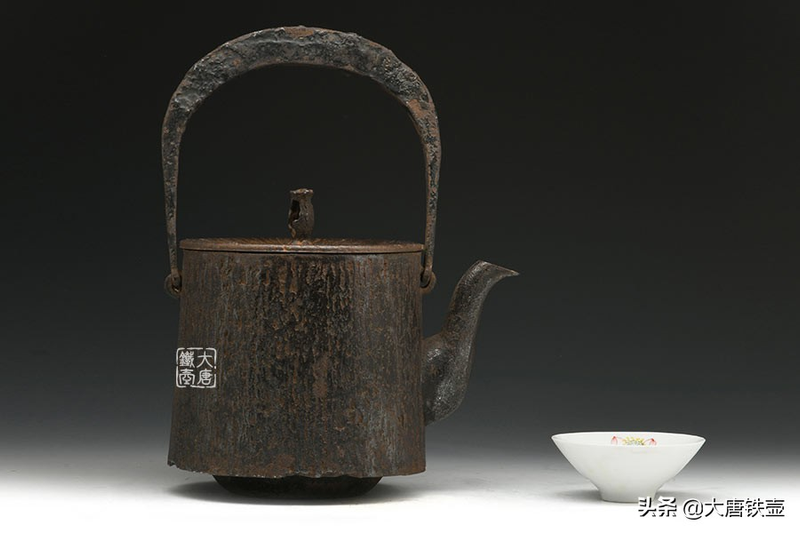
Sand iron contains little carbon (c) and silicon (si), while it contains more titanium (ti) elements, and it has the advantage of being rusty in extremely fine crystal form. At the same time, the heavy hardness of the sand iron and the low mobility after the melting iron are the reasons why holes are easily visible when sand iron is used to make iron pots. It is therefore common to hear the old busan (smiths) say that at that time the iron cast pot was used. Because of the rigidity of the raw materials, holes in the pots are common and the outcome rate is quite low。
The high furnaces developed by the busan mine have produced grey iron from rats. Although the melting iron has become simple and the problem of poor mobility has been addressed, there is an unacceptable disadvantage in such raw materials. Corrosion has become very serious because of the oxidation and rust of the cast iron product as a result of the rough structure of its crystal table。
Compared to modern industrial production, there is a stark difference between the quality of raw materials and the backward technology of smelting. It is in such a general context that the casters have made unimaginable efforts to study and solve problems。
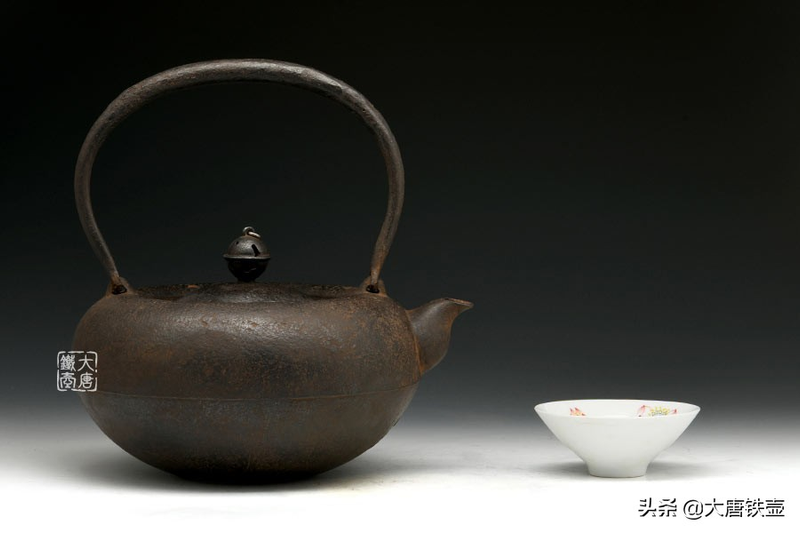
Alluvial iron ore is highly pure and contains very low carbon, silicon and a small amount of trace elements such as titanium, and the finished product is highly luminous. Because of its low impurity and impurity to rust, the surface does not need to be stain-proof, and after polishing, it is almost silver-like, and it is completely different from the general feeling of cast iron sunk. Unfortunately, alluvial iron ore is now exhausted and is still being sold on the market, either in the original mines accumulated by the ancestors in the workshop, or in the products of the old pot, with scarce sources and expensive prices. There's only a few sand and iron canteens like this. Its main advantages are:
One, look beautiful。
It's not rusty, it's rusty and it's easy to get rid of。
3. High density, so warmer。
Four, a higher tune and a better ear when it's slammed。
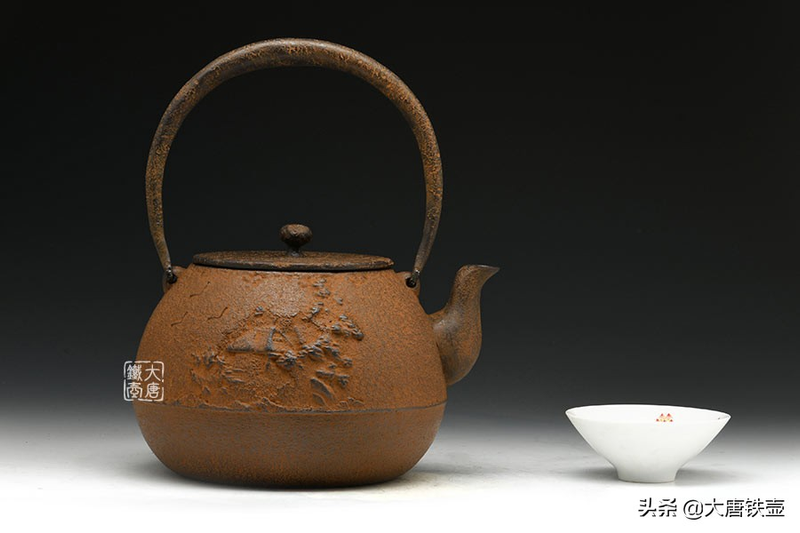
The price of sand and iron is extremely low, not only because of the scarcity of raw materials, but also because of the difficulty of fracturing. So it's not as perfect as this sand-cracker process is without a higher casting technique。
Early use was used to burn swords, and hokkaido sand and iron were more abundant. But there are no mines now, and the japanese government has imposed a total ban on mining for 40 years. The second-priced iron from the sand canteen is released faster, easy to maintain, and must be taken from rivers to the sea or off the coast, making it difficult to obtain。
During the edo period, which was mostly royal, the producers were well known, the water boiled tasted better, sweeter and smoother, and used three to six times as long as the average iron canteen, which is the best of the iron pot。