


A lot of people are asking how to determine whether a japanese iron kettle is a good collection, so let's talk today about how to reward the japanese iron kettle。
1 seen and name bookings
Special model
The unique configuration of the old canteen is a good example of the sense, attitude and mindset of the busaners to contemporary things. They make pots of animals, vegetables, etc., in the form of a pot of words, with a higher level of emotion, spirituality and beauty. The old iron canteens of this type of special device are easily appreciated by the tibetans and belong to the collection。
Each of the pots of the iron pots has its own special features, either round and thick, or convoluted. Even though there is no name for a pot like ansuke, zhengping, or six, one can see at a glance that this is probably the beauty of the masters' power to make it. The collection should pay particular attention to the maintenance of the bottom of the pot to see the thickness of the bottom of the pot, whether it leaks, whether it is rusty or not, etc. The thinness of the bottom of the pot can be heard with a few strokes of the hand, and usually the sound of a well-developed hand scratch will be thick and heavy, and the sound of a thin hand scratch will be light。
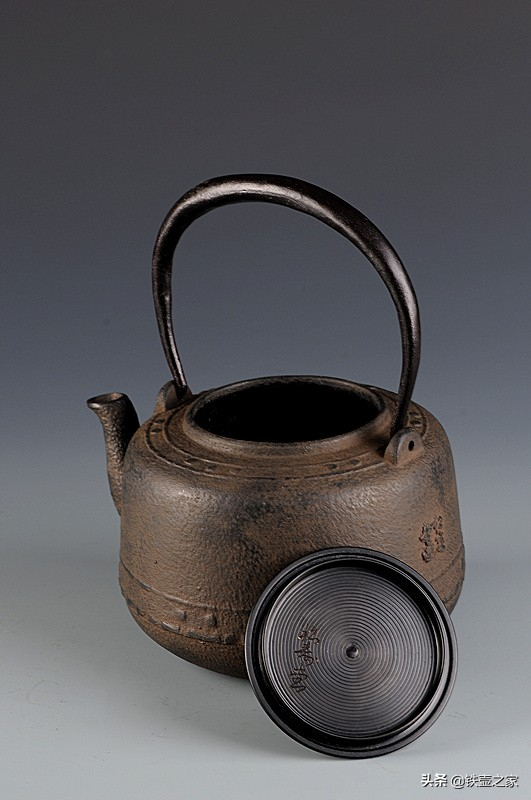
A lot of the pufus will be in gold and silver on the beam
The kettle is also called “a number of old pots that have been used over 100 years have been used many times, with thicker water and can be used as reference 08 for broken old pots”. The pot mouth must be smooth and cut. Some of the pot mouths are broken and are generally not taken into account, except for the use of gold, silver or copper. The good side of the pot is beautiful, it's like a pot, and the upper mouth should be as high as the top of the pot so that the water in the pot does not spill out too early。
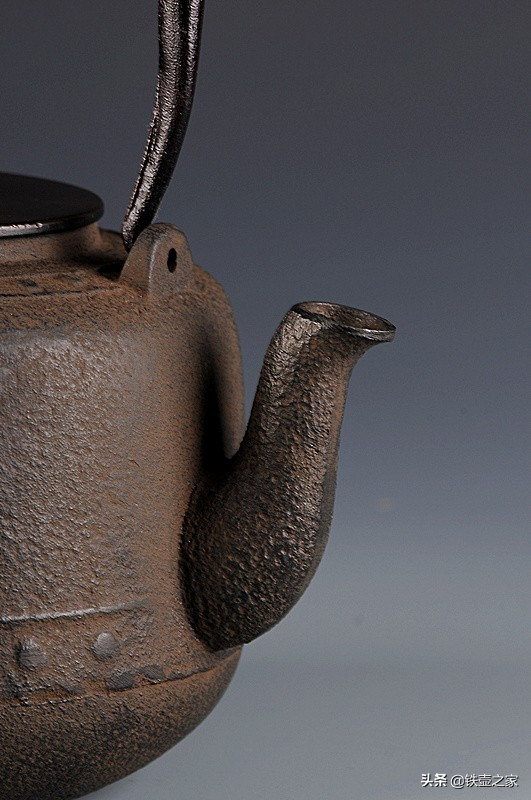
There are small holes in the cover of the silver pot, but the iron pot is rare, so the lid of the iron canteen should not be as tight as the purple sandpot. Many canteen caps and pot bodies are not manufactured at the same time and, starting with the dragon hall, many canteen caps are copper-rich, avoiding rusty problems due to steam. The lid of the iron kettle is very sophisticated, and a good pot must be the original kettle with the lid, especially the lid of the guacamole, which is perfectly integrated and comprehensible. Some of them also carve their own drawings on the head of the cap or embedding their own favorite pattern, while others make two or more kettle caps。
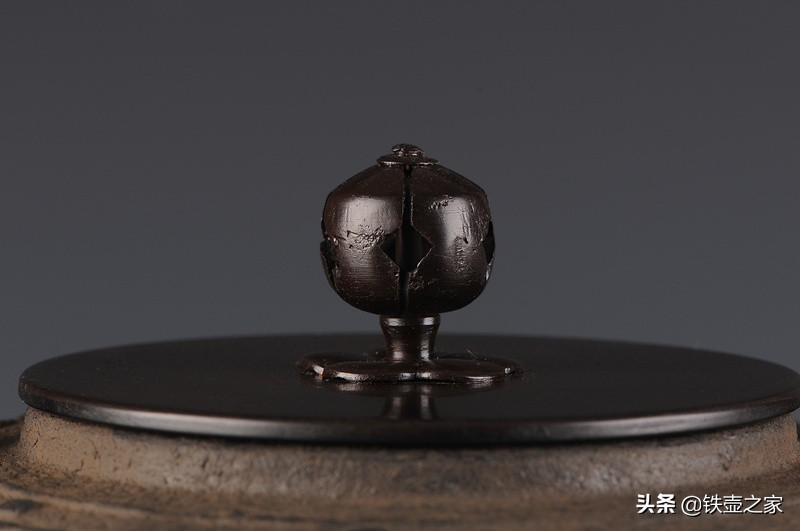
9. Embedded
Ten, kettle
Many of japan's old iron canteens have fine-made and creative designs on which plants and animals can be used. These beautiful patterns add much glory and price to the pot. And, of course, there are very high-quality iron canteens, which are completely uncharted, simple and beautiful. On iron pots, such as the tortoise hall, there are fine and diverse sculptural patterns of humanities, mountain waters and landscapes. And the pots of ansuke are more succulent, and most of the succours of the great powers are mainly poets and flower birds. Eleven, a pot
As a result of the deep-rooted influence of chinese culture, many of japan’s old iron pots have a shadow of chinese calligraphy drawings and tea culture. The text appears in poetry, philosophy of life, motto, etc. When you look at it, you can see that the canteens or the dojos on the kettle cover and the busan symbols are also written in chinese。
There are approximately three types of iron canteen casting, as is the case with the chinese cyanide cast, which is considered to be a collection of treasures. Two sand casts, with a small umbilical hole on both sides of the bottom of the pot, which is easier to identify. Three high-strength pressure moulds have a single cast line in the middle of the pot, which can make multiple pots, so no matter how beautiful and complex the shapes and patterns are, the pot price is not so high as to be unique, usually in the range of tens to 20,000。
It follows that the appreciation of an iron kettle is good and needs to be considered from all dimensions。



