


On the early peaks of the subway, there was a loud noise, liu zan, a publisher, put on his headphones, opened his mobile phone, and listened quietly to a section of the enlightenment of the midwest philosophy of wang dong-chai, “being in the small building and being comfortable”. On a lunch break, you can hear "assisting the musical play" from the ap. On her way home, she opened the word "cut" and hit the card with the word. When she came home from work, she often opened the himalaya's “male ma's english painting channel”, reading english with the children。
Today, more and more workers, like yoo yan, have chosen to use time to learn, which has been the popular way of learning in recent years — fragmentation learning. In the age of mobile internet, what corresponds to platforms and production ends is a new change in the way knowledge is received。

Mobile connectivity offers unlimited possibilities for learning, knowledge becomes more living, accompanied and environmental, and non-formal learning (mainly a self-initiated, self-regulating learning process carried out by people outside formal educational institutions) has a truly overwhelming dynamic. Emerging media and web videos and audio carriers significantly lower the threshold of knowledge. Through mobile internet technology, knowledge is more diverse, in a more short, smooth and lively form, and knowledge is closer to people, more living and more accessible. This is a manifestation of the growing abundance of learning channels and learning methods。
Some voices of doubt follow: can fragmentation learning really learn? Have you only learned a bunch of pieces of "knowledge" and gained a false sense of pleasure
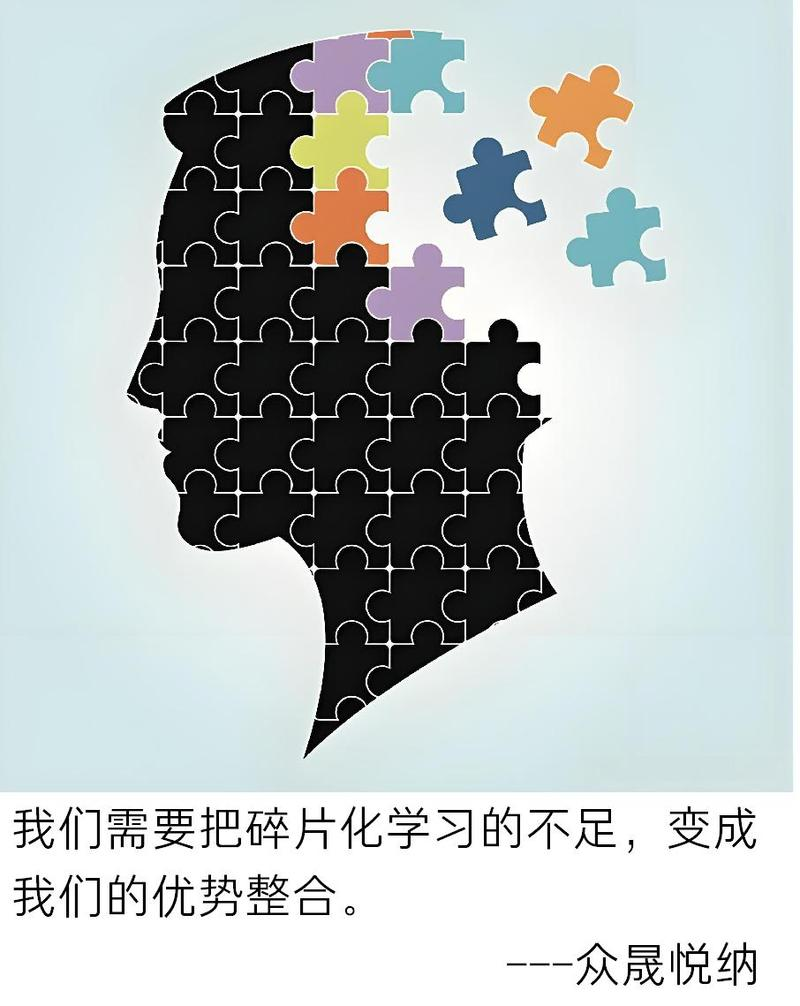
In the book recreation to death, neil bozman argues that contemporary culture, with television as the main medium of information, is gradually losing its vitality as a result of its recreational, vulgarization and fragmentation. Today, fragmentation has also become a major challenge to new forms of informal learning. However, today, workers face fragmentation and scarcity of time and energy. Wouldn't it be worse if we didn't even use the time of fragmentation
The knowledge-renewal cycles of our times have been shortened and the iterative and reshaping of our knowledge has gained momentum. The social division of labour is more cross-cutting and integrated, and society's demand for talent, skills and knowledge reserves are changing, requiring a broader perspective and a more diverse and robust knowledge system. In this context, the boundaries of learning have been extended indefinitely, leaving school does not mean the end of learning, but merely a small step in the learning career. Passive learning is active, education for change is lifelong, and the age places higher demands on learners。
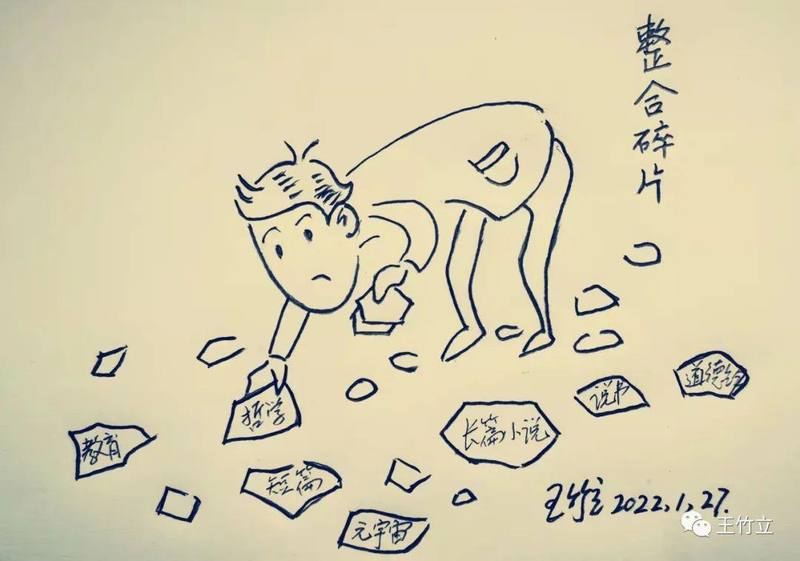
How to learn effectively? Where does learning time come from when you get out of school? “screechification” is not necessarily meaningless except for full-time learning. Learning and thinking to avoid fragmentation and to keep moving towards long-term accumulation, towards the future, and to build on the knowledge and abilities behind individualized demands, will yield dividends. Strong learning needs and interest are the driving force behind continued learning. As important as the screening and judgement of learning content is in today's rich knowledge product, adherence to good learning habits is equally valuable. After all, in essence, any acquisition of valuable knowledge requires time and hard work. Whether fragmentation learning is knowledgeable or “scattered” is important if learners value learning content and are committed from within. The nature of learning, wherever and whenever it takes place, does not change: by acquiring knowledge or skills through listening, reading, thinking, research, practice, etc., it opens horizons and expands the depth of thinking。
Today, the abundance of mobile internet platforms and production ends opens up many possibilities for “knowledge of everyday life”, while the growing demand for learning also contributes to changing supply sides. The supply and demand side of knowledge meet, grow and rejoice



