


In the course of three meals a day, we cannot leave the vegetables, and today you are presented with vegetables for fertilizing, and before you know what fertilizing vegetables for fertilizing, you are given an overview of fertilizing。
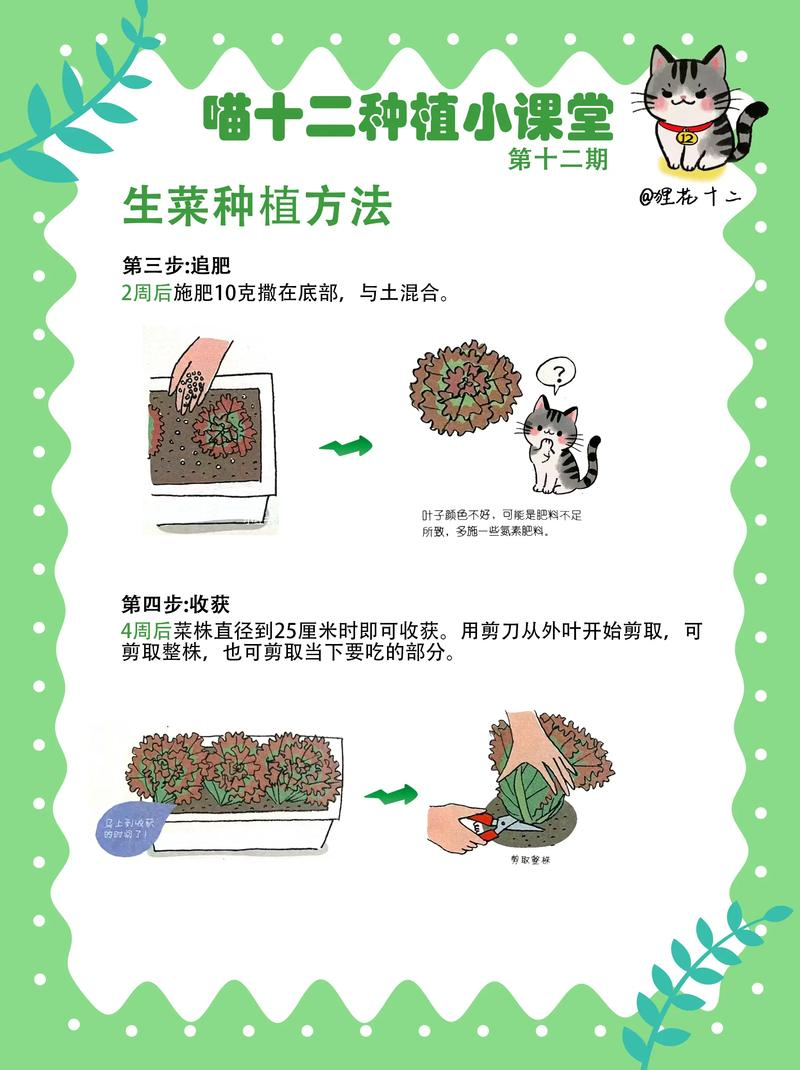
Maybe many people know that fertilizing is a fertilizer, but what kind of fertilizer? And what does it do? It is unknown to many that the application of fertilizers is a fertilizer used with irrigation and a form of fertilization. The application of fertilizers can be large amounts of element fertilizer (e. G. N, p, k, ca, mg, etc.) or trace element fertilizers (e. G. Zn, b, mn, fe, mo, cu, c1, etc.), organic fertilizers (e. G., amino acids, corrosive acids, etc.), or compost, so that fertilizers are not, in a broad sense, a special fertilizer, but only a method of application, with which the fertilizer used is called fertilizing. In a narrow sense, with the development of modern technology, especially the fertilizer industry, the application of fertilizers has gradually developed independent and become a new kind of fertilizer. As a water soluble fertilizer (water soluble fertilizer, known as wsf) is a multi-dimensional compound fertilizer that can be fully soluble into water, which can rapidly dissolve into water, is more easily absorbed by crops and has a relatively high absorption rate, and it is crucial that it be applied to agriculture in facilities such as drip irrigation to achieve the integration of water fattening to achieve efficiency in the conservation of fertilizers. In general, water soluble fertilizers can contain all nutrients required for crop growth, such as n, p, k, ca, mg, s and trace elements. In this way, the formula can be designed according to the nutritional requirements of crop growth, and scientific formulations do not cause waste of fertilizer, making fertilizer use almost two to three times as much as conventional composite chemical fertilizers (in china, the average compound fertilizer fertilizer is 30 to 40 per cent). Water soluble fertilizer is a quick-impact fertilizer that allows growers to see the effects and performance of the fertilizer more quickly, and adjusts the fertilizer formula at any time in line with crop trends. Of course, the application of water soluble fertilizers is simple, so that they can be applied as irrigation water, including spraying, drip irrigation, saves both water and fertilizer, as well as labour, and the benefits of water soluble fertilizers are evident today, when labour costs are increasing. The application of water soluble fertilizers is highly uniform because of irrigation with water, which also provides a solid basis for improving yields and quality. Water soluble fertilizers are usually less impurity, low conductivity, and use concentrations are easy to regulate, so they are safe even for young seedlings without fear of adverse consequences such as burning。
There are several types of vegetable fertilisation:
Quick-activated fertilizers urea, ammonium nitrate, potassium nitrate, potassium phosphate, potassium sulphurate, potassium chloride, etc. Are commonly used. The water solubility of this type of fertilizer is strong and can be directly in water when water is used。
Commonly used compound fertilizers are ammonium phosphate, potassium chloride, potassium ammonium phosphate, etc. The water solubility of this type of fertilizer is relatively poor, often leaving more residues on the ground after application, generally requiring the prior infusion of the fertilizer into the water two to three days before the application, the full integration of the active ingredients of the fertilizer into the water, and the taking of the liquid for the application with the water。



