On september 26, 2025, the chinese news network heilongjiang, the 19th world contraceptive day. The central aim of this global commemoration is to deepen public understanding of scientific contraception and to further promote reproductive health education. On this special day, wang iwa, chief of the family planning section of the red cross centre hospital in harbin city, spoke with women during their reproductive years about the crucial “minus matter” of “scientific contraception” and the importance behind it for women's well-being throughout their lives。
Many women may think that “the painless flow” is just a simple and light surgery. However, as a gynaecologist, we must solemnly tell you that any form of abortion is not a method of contraception, but a medical intervention that causes potential physical and psychological trauma to women, with many possible complications hidden behind it。
Knowledge of “high-risk person flow”: not a simple operation
In recent years, the number of high-risk abortions has increased year by year, and for women who meet the following conditions, the risk of surgeries will increase geometrically, i. E., the “high-risk flow”。
Physically related: 20 years of age or 40 years of age; lactation < 3 months; excessive uterus and poor cervical conditions (e. G. First-time mothers, adolescent women)。
Surgical history relevant: repeated abortion within 1 year (especially within 6 months)
The cumulative number of abortions is 3; within one year of the cervix and one year after the birth。
Reproductive system anomalies: abnormal uterine morphology, such as uterine musculoma, uterine adenosis and uterine hysteria; abnormal placement of embryos in the bed (e. G. Cervix pregnancy, cervix pregnancy)。
Other risk factors: retention of abortion (higher in recent years); combination of serious internal and external diseases (e. G. Heart disease, hypertension, diabetes); smoking; reproductive tract infections (e. G. Cervical, vaginal)。
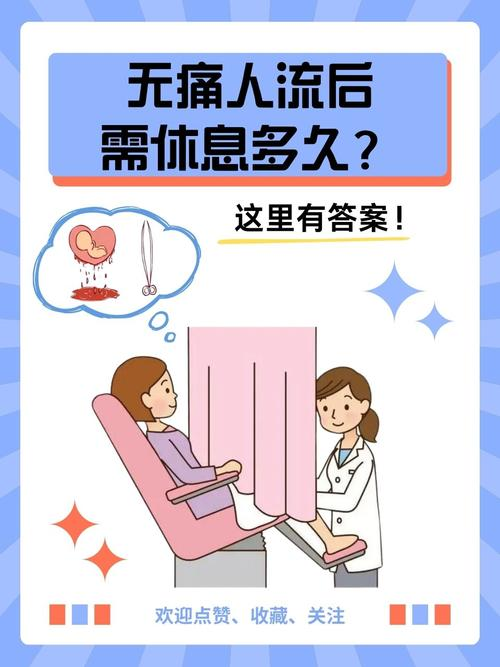
These high-risk people are subject to surgeries, which mean that they are more likely to suffer from severe complications such as haemorrhage, uterus piercing, cervical damage and even life-threatening conditions。
Invisible trauma: what do you know about post-surgery complications
The word "free" on the table does not mean "free" after the surgery. Complications from human circulation can be divided into immediate and long-term periods, each of which may have a profound impact on your quality of life。
1. Recent complications (immediately to short term after surgery)
Hemorrhages and infections: the operation may cause haemorrhaging in the uterus or cause cervix infection, causing acute pelvic inflammation, tubal inflammation, etc., in the form of abdominal pain, fever, abnormal secretions, which require immediate treatment。
Incomplete abortion: pregnancy tissues are not completely removed, resulting in sustained haemorrhage or infection, requiring a second cervix, causing further damage to the uterus。
Uterus perforation: this is a serious but rare complication of the operation, which may cause damage to adjacent organs such as intestinal tracts, bladders and, if necessary, even abdominal surgery, which seriously endangers life。
Abortion syndrome: a series of reactions, mostly one-time but extremely painful, may occur during the operation, including a hypothermia, arrhythmia, a drop in blood pressure, pale skin and sweat。
2. Long-term complications (impacting months and even lifetimes)
Cervical cavity (asherman syndrome): this is one of the most common long-term complications. Human surgeries, in particular multiple surgeries, can damage the membrane base floor, resulting in interconnection of the uterus, in the form of a significant reduction in post-operative menstruation, closure, cyclical abdominal pain and, above all, infertility. The treatment process is long and complex and does not anticipate it well。
Chronic pelvic pain: post-operative infections are prone to chronic pelvic inflammation, causing repeated abdominal pains and acidic pain to the waist, which seriously affect daily life and work。
Endocrine disorders: the interruption of pregnancy leads to dramatic changes in the levels of hormones in the body, which may cause menstruation and menstruation。
Post-pregnancy: this is the most painful consequence. Inflammation and damage to the uterine membrane have made it impregnable as a desert, and it is no longer possible to produce seeds of life. Multiple surgeries greatly increase the risk of infertility。
Increased risk of future pregnancy: even if the pregnancy is repeated, the risk of pre-placement, placental implantation, premature birth or abortion is significantly higher than normal。
Scientific contraception: a solid umbrella for you
Risks are understood to better avoid them. The most effective and fundamental way to avoid human suffering is to insist on and use scientifically reliable contraceptive methods and to build “walls” for their health。
Modern medicine provides us with a wide range of efficient and safe contraceptive options:
Short-act oral contraception: new drugs have low side effects, with a correct use rate of more than 99 per cent, and regular use can also regulate menstruation and improve scabies。
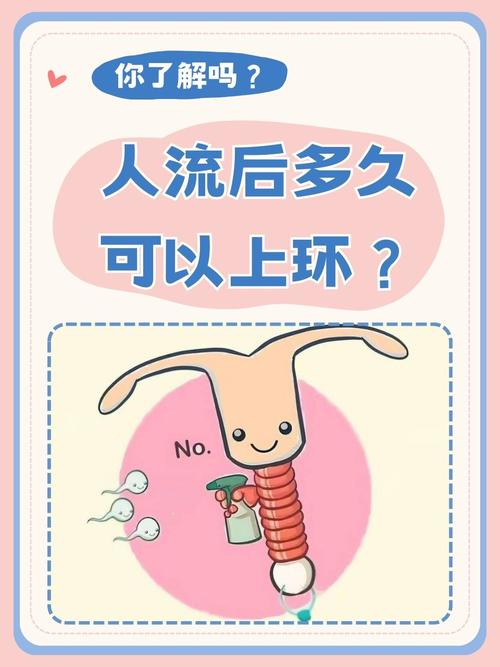
Intrauterine devices (iud): these are of copper and hormone:
Bronze-containing iud: non-hormonal, toxic to sperm and embryos through copper ion, disrupting fertilized eggs in bed. The validity period is 10-12 years。
Hormonal intrauterine devices (e. G. Manmoon): local release of gestation hormones, thinning of the membrane of the uterus to the detriment of the fertilized ovary bed; foetal mucous densities to the detriment of sperm penetration and contraception. Valid for 5-8 years. At the same time, it reduces the amount of trachea, relieves pain and prevents pelvic inflammation。
Under the skin implantation: emplaced with a soft tubing under the inside of the upper arm, continuously releasing the pregnancy hormone for up to three to five years, efficient, covert and reversible。
Condoms: their typical contraceptive use is about 87 per cent efficient, and it is therefore recommended to be used in conjunction with the above-mentioned high-efficiency methods, so that effective contraception and the prevention of sexually transmitted diseases are the first options for double protection and are suitable for all people of reproductive age。
Long-acting contraception: every 1-3 months, suitable for women who need long-term contraception。
Important tips: in vitro ejaculation, safe-stage contraception, emergency contraception, etc. Are extremely ineffective methods of contraception and must not be used as conventional methods。
World contraceptive day was never meant to be “prohibiting fertility”, but to be “respecting life and safeguarding health”. On the special day of world contraceptive day, director wang iwa called on every man and woman to take ownership of health and choice. Actively learn about contraception, share responsibility for contraception with partners, and choose a scientific method best suited to themselves。
If you have questions about contraceptive methods, or if you have health concerns after experiencing a human flow, you are welcome to come to my home family planning unit at any time. Making scientific contraception a “necessary course” for the protection of one's own, and making every choice based on autonomy and security. (concluded)