


The composition of the japanese iron kettle is generally divided into pot bodies, kettle mouths (flows), kettle caps, picks, beams, rings, feathers (feathings), sound films (blackings), etc., and below is a brief presentation in kind:
Composition
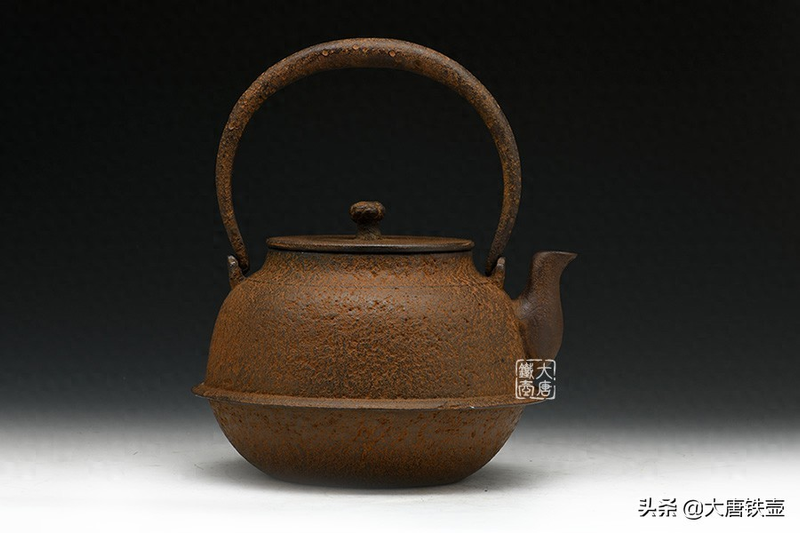
I. The pot
The kettle is part of the capacity of the iron kettle, which is used for water and is the main part of the iron kettle. The thickness of the pot and the symmetry of the muscle directly reflect the skill level and product grade of the busani. In some of the high-grade iron pots, there is often a gold and silver pattern or a classic japanese traditional tattoo。
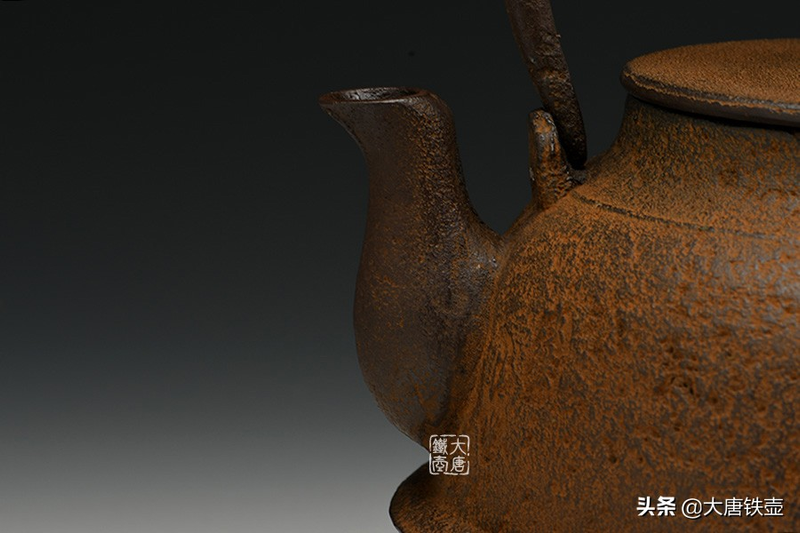
Ii. Pott mouth
The mouth, also known as the mouth, is a part of the water pouring out of the iron pot. A good pot mouth requires, firstly, a smooth flow of water and decisive water cuts, and secondly, a beautiful atmosphere. The good side of the pot is beautiful, perfect for the pot, and the upper mouth should be as high as the top of the pot so as not to spill too early when cooking water。
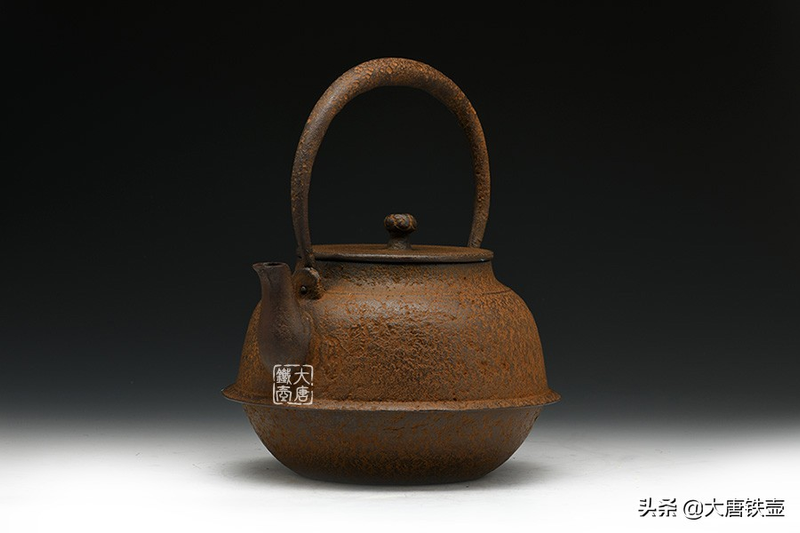
Iii. Kpot caps
The pot is covered in a pot, like the head of a human being, and it's so bad and ugly that it's important for the whole pot's beauty. The main function of the kettle cap is to accumulate boiling water vapour energy, making water more boiling. In general, the iron kettle covers have no air vents, so the kettle covers should not be too condensed or too tight to be pushed to one side without openings on the other。
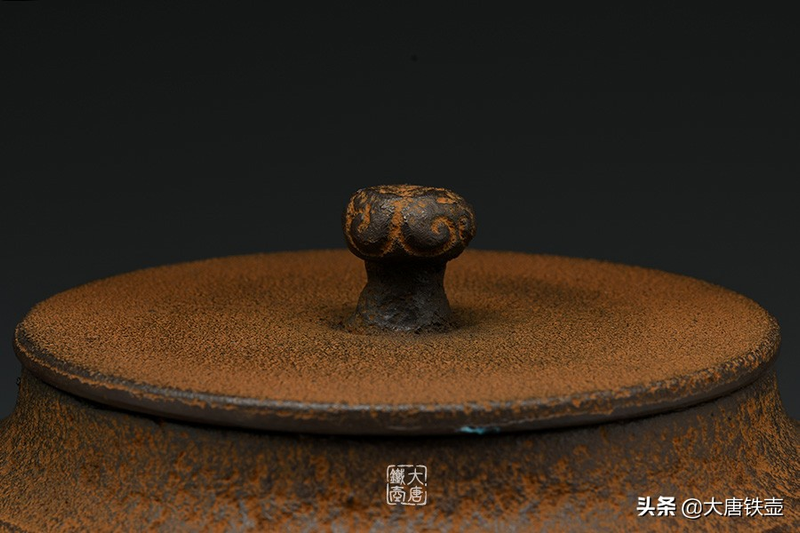
Iv. Extracts
The pick-up is a component of the kettle cap, initially designed to facilitate the opening and buttoning of the kettle cap, and its lower link to the kettlecap is referred to as the “heart”. There are many types of pick-ups, such as pine nuts, fish, bells, pick-ups, and so on。
One of the most important signs for the identification of the famous canteen is the perfect pick-up, which has the power to draw the brightest of the pot, as well as the ability to boil and not to burn。
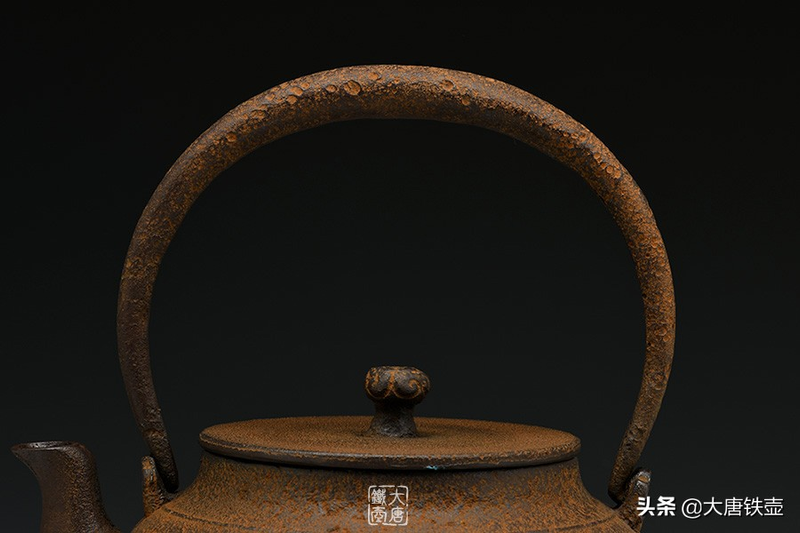
V. Tilang
The beam is one of the main differences between the iron pot and the fabric and is made for ease of use. Many of the busan masters will add to the gold and silver to the beams, engraving a pot of iron with a hand of copper or silver, thereby increasing its beauty and preciousness. The beam of beams is strong and firm, and do not make any kind of diversion in order not to affect the beam, or to diminish the value of the iron pot。
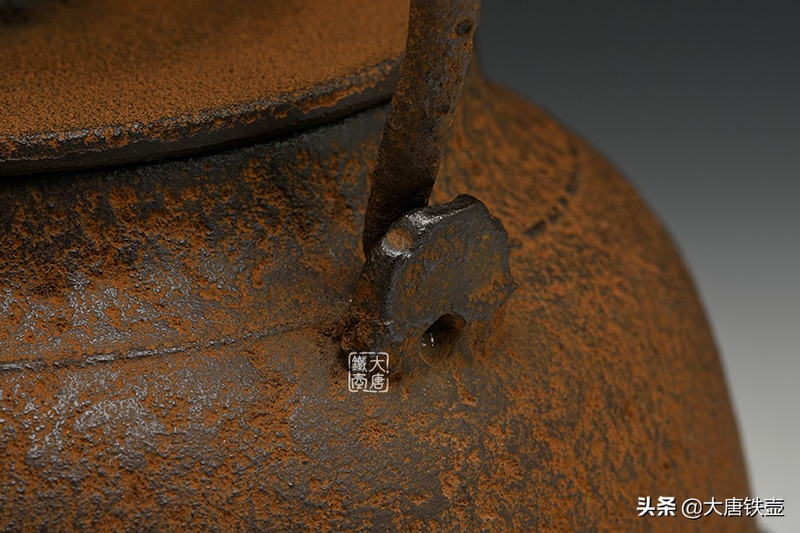
Vi. Transports
The ring is the link between the beam and the kettle, each with a pair for the fixed connection. The location selected is usually the core balance of the pot, which is shaped in the form of a ghost or unknown animal, as well as plants, animals, objects, things, etc。
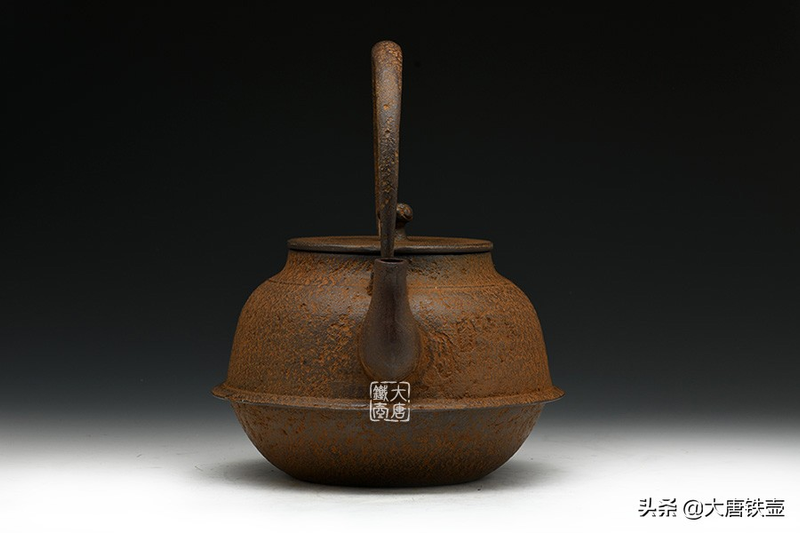
Plumes
Plumes: it is designed primarily to build a fireplace, or to increase the area under fire, concentrating on the lower side of the pot. Most of the shapes are irregularly worn by skirts, but there are also a small number of people who are flat or have flat-cut teeth。
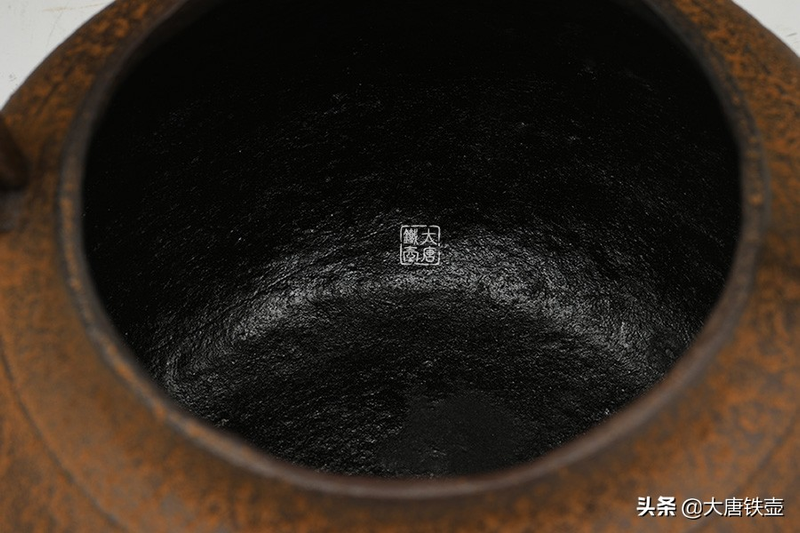
Viii. Sound films
The sound film, also known as “mingling gold”, refers to three or four pieces of iron at the bottom of the pot, which is passed on to the kifu for tea. When the water burns, the zenmin hears the sound of endless joy。
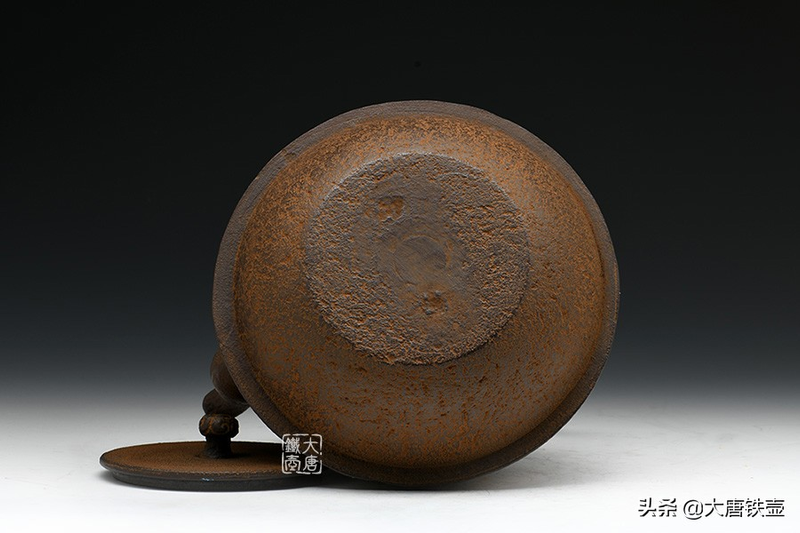
Ix. Positions
The iron canteen is made to be stymied, and its mouth is the entrance to iron water made from it. When the injection is complete, the cooling leaves traces on the bottom of the iron kettle, which is usually done with simple grinding and repair。



