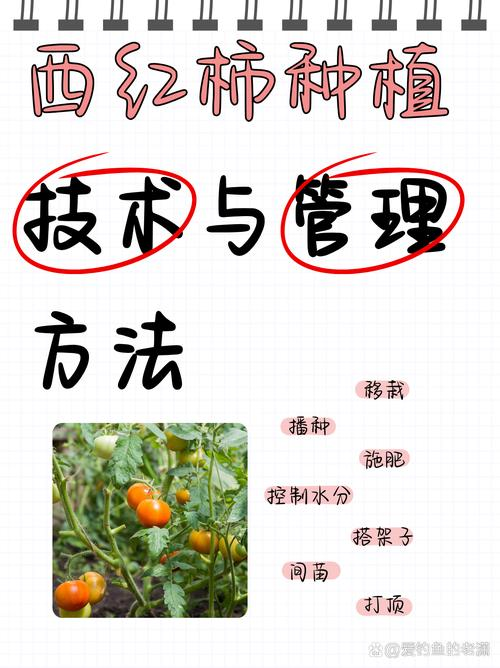
High-yielding tomato cultivation. Doc high-yielding tomato cultivation technology. [summary] [keywords] tomatoes; breeding; planting; field management tomatoes, also called tomatoes, are one year old grass plants. Tomatoes are nutritious, sour and juicy, well prepared, and can also be seen as ornamental plants. Tomato production is high and efficient, resulting in extensive cultivation in the open and protected areas and four seasons of production. The time required for the birth of a child varies, from about 70 days in winter to about 30 days in summer and autumn and between 40 and 50 days in spring. The standard for saplings is between 15 and 20 cm high and the length of the lower axis is between 2 and 3 cm -- it's not long, it's purple. Green, leaves are 7-9, leaves are dark green and purple, leaves are thick, the first poach has been lumbered, roots are developed, disease-free, pest-free, and no mechanical damage. In winter, tomatoes can be grown in high-quality varieties that are early, medium-cut and have a better temperature-resilient capacity. If tomatoes are grown during summer and autumn festivals, high-quality varieties with medium and late maturity and better heat and disease resistance are selected. At the time of the spring festival, nursery work can take place in late december or early january, with the age of 60-80 days. During the autumn and winter festivals, the planting period should be kept between july and august, with a nursery age of between 30 and 45 days. During the planting of tomatoes in spring sheds, nursery work can be carried out in january, with a nursery age of between 70 and 80 days. In field conditions, nursery work can be carried out in february, during the period between late april and early may, during the summer, and in may. During this period, the selected seeds can be immersed in water at about 30°c for 15-30 minutes, followed by the seeds being immersed in hot water at 55 - 60°c for 15 minutes, or the seeds can be immersed in 10% of the sodium phosphate fluid and washed with water for 10 minutes. After the seed has been sterilized, it is placed in an equal amount of dry sand, the two are evenly mixed, then immersed in warm water and wrapped in wet cloths, placed in a balconies that are suspended at the bottom with wooden sticks and placed in incubators or greenhouses to start seeding. The seeding process shall contain the humidity of the fine sand and the seed, shall not yield water and shall keep the temperature between 28 and 30 °c, which shall be reduced to 25 °c when the seed is white. A nursery bed is usually 12 m2 and a nursery bed is usually 50 m2. Nutritional needs for seedling growth should be met in the formulation of the bed soil because of the long seeding period of tomatoes. As a rule, 50 per cent of the field and 50 per cent of the decomposition horse manure can be used, while ammonium sulphate 500g/m3, calcium perphosphate 400g/m3, and potassium sulphate 1kg/m3 can be added to the bed soil. Then you can break the fabric, mix it evenly, and make a bed. The earth, laid in seed beds, is 5 cm thick. It is sufficient to have the soil fed directly, without having to be filled, and usually 90 per cent, if it is grown, to ensure that the soil is 8 cm thick, and that the soil is approximately 9 cm thick, following the transfer of the soil. A 2/3 of the 5g/m2 or 70% of the methyl tobuzin powder, made with 1 kg dry earth, is laid before seeding begins, and the rest is covered with seeds. Another method of disinfection is the flat mixing of 65 per cent of the zinc powder 60g and 1 m3 with plastic membrane sealing for three days, after which the membrane will be untangled and the seeding can begin when the bed soil does not taste. °c water fills the bed with soil so that seeding can begin when the water is gradually seeped. During this period, bed and soil can be baked in a manner that covers plastic membranes,