


As popular vegetables and fruits, tomato cultivation is vast and geographically extensive in the country, and as agricultural technology advances, our soilless tomato cultivation is more prevalent throughout the country. So why is the market more likely to use tomato-free cultivation, because its root environment requires less stringent, easier to grow than other fruit-creeds, and it is easier to improve quality than soil-free cultivation, which is more conducive to achieving these goals in the light of a shift in consumer awareness towards multi-species, high-quality, safe sanitation and a balanced supply for the anniversary。
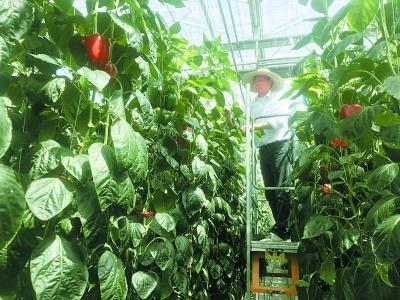
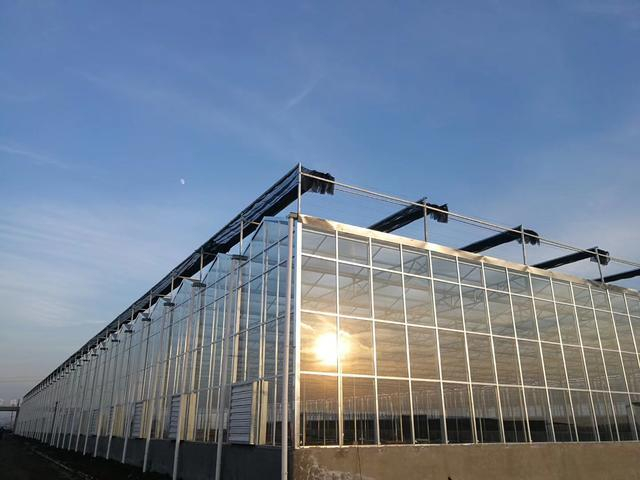
1. The planting season and the selection of varieties, and the determination of the planting season, are currently using greenhouses in the yangtze and yellow river basins for soilless tomato production, generally divided into two types. The first one is two times a year, the first one is planted in november-december, the first in january-february, the fourth in july, the second in july, the second in august, and the next in october and january. Another type of bite is the one-year winterization of tomatoes, suitable for greenhouse cultivation in warmer, illuminating areas during winter. Most seeded in the months of 8 to september, planted in the months of 9 to october, and collected from november to may of the following year。
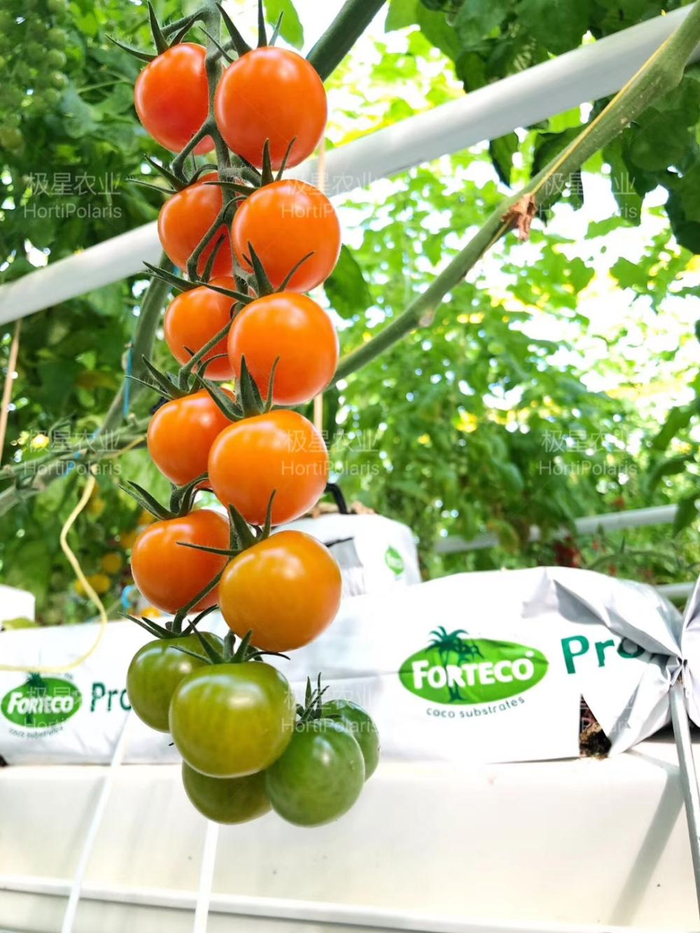
2. The choice of varieties requires a high level of light-resilient waste, with a light saturation point of 70,000 lx and a decreasing light after the fall season and a significant reduction in light power, so that winter and spring plants are suitable for low-temperature, weak light-resistant varieties, as well as disease- and insect-resistant varieties. Autumn tomato cultivation should be chosen for varieties that are ungrowing, disease-resistant, colour-neutral and of good quality. There are currently more options available. Of particular note in recent years has been the gradual increase in the number of varieties of good-quality and sugar-rich tomatoes. In taiwan, for example, there are species such as the “sanctuary” and the “kinji”。
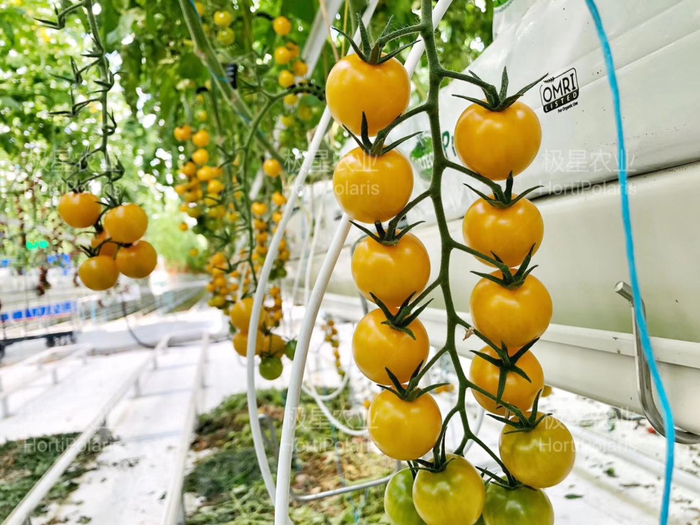
Second, tomato breeding and planting 1. The choice of seeding periods is generally a year and a half of tomato cultivation in greenhouses in the south china region, i. E. Winter and autumn tomatoes. Winter tomatoes are normally sowed between december and january of the following year, ending in may and june; autumn and winter tomatoes begin to sow in early august, ending in january and february。
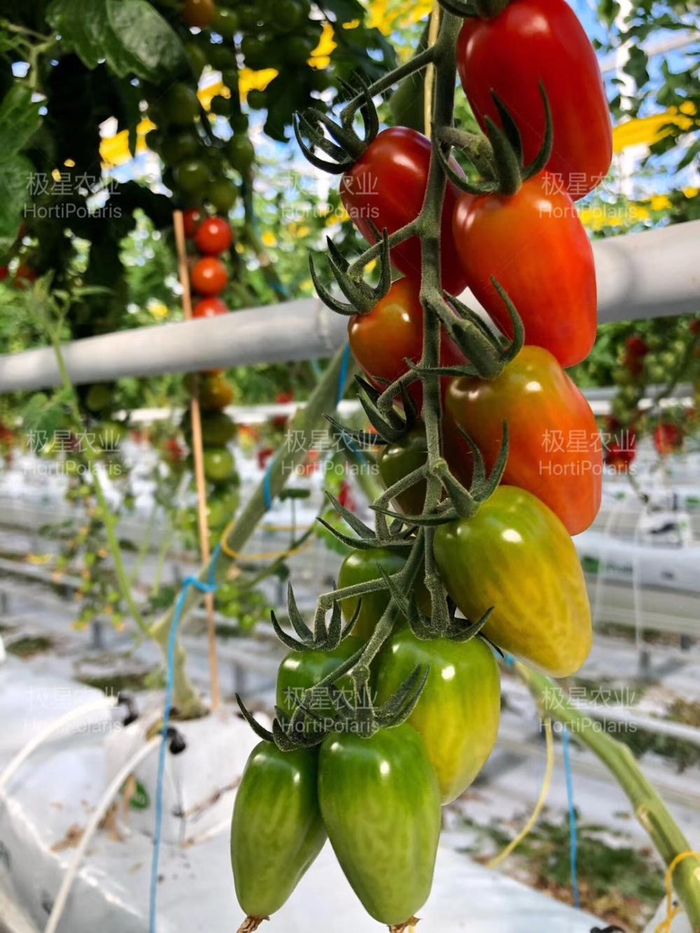
2. Absorption seed is impregnated with 50°c warm water 10-15min, tomato seeds are disinfected, cleaned and then immersed in clean water 3-6h, wrapped in bandages and placed in thermostats 25-30°c, and humid sprouts 2-3d occur。
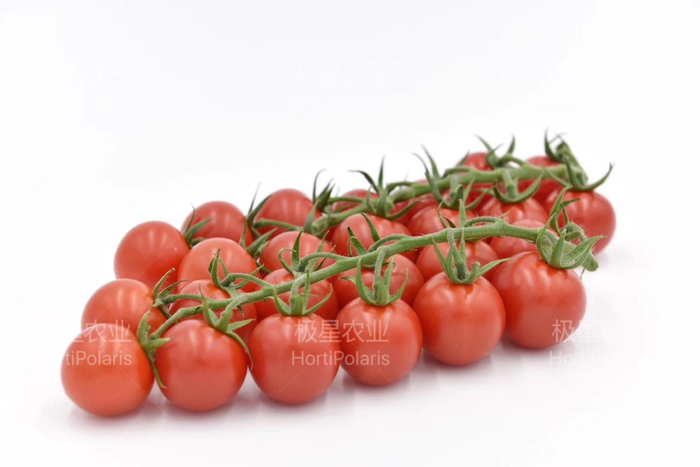
3. Seeds are planted after seeding, either in nutritional quagmires containing the matrix, or directly in fixed cups containing fixed materials (small stones or pottery), with two to three seedlets (each) covering a thin base, covering the sunnet, and clear water. Sowing beds can be water-preserving, air-friendly and less susceptible to disease. Under 20-30°c 5d seedlings。
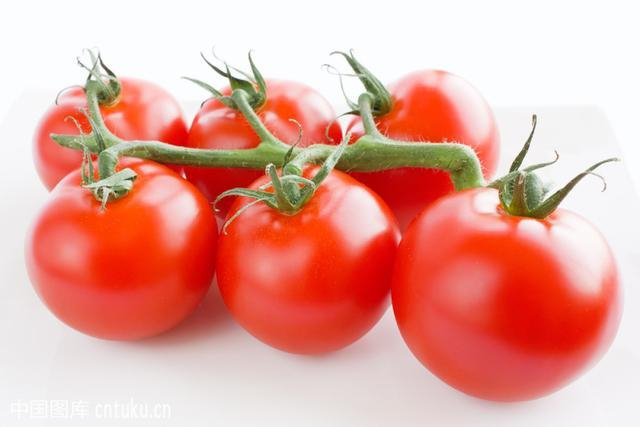
4. A seedling is managed during the period and begins with a seedling, with a healthy seedling (per cup) and timely nutrients。
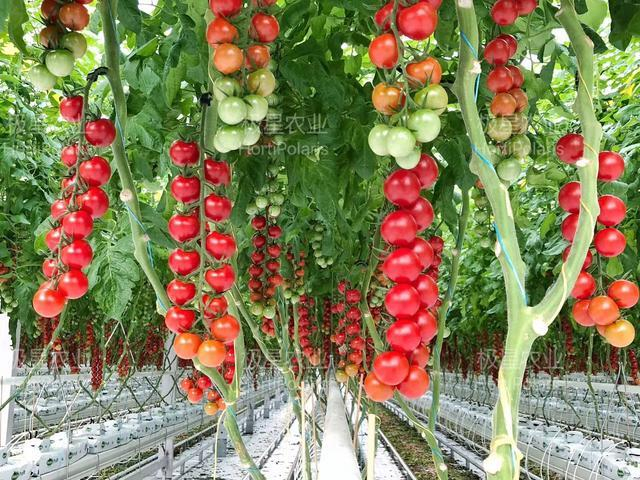
5. When seedlings grow up to six to seven leaves, they are planted in planting beds。
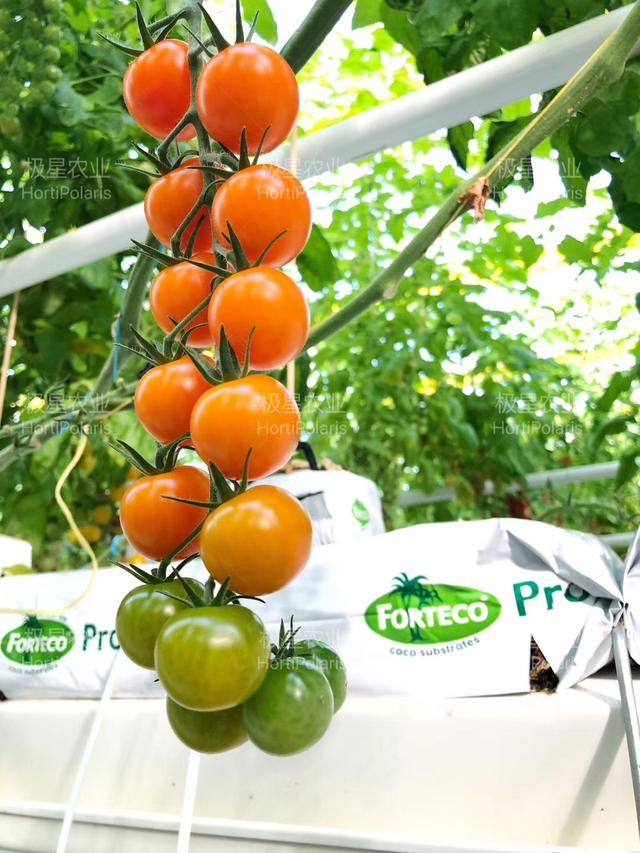
Iii. Management of trophic fluids1 and selection of nutrient formulations suitable for tomato growth are: ca (no3) 2 4h2o:450g/t, kno3:375g/t, kh2po4:140g/t, mgso4 7h2o:250g/t; edta iron: 20g/t, boron acid: 3g/t, manganese sulphate: 2g/t, zinc sulphate: 0. 2g/t, copper sulphate: 0. 1g/t, ammonium nitricate: 0. 1g/t. An appropriate increase in the use of calcium nitrate to prevent umbilical disease during flowering。
The management of tomato trophic concentration (ec values) varies from planting to pre-flowering ec values of 1. 5 to 2. 0 ms/cm, flowering to primary fruit harvest control of 2. 0 to 2. 5 ms/cm and increasing the concentration to 3 ms/cm after harvest, contributing to quality improvement and ensuring production。
3. Hydrohydrate management for acid alkaline management with the most appropriate ph range for tomato growth. While ph is on an upward trend during general cultivation, when ph is less than 7. 5, tomatoes are still growing normally, but ph is greater than 8, which destroys the balance of nutrients, causes the sedimentation of fe, mn, b, p, etc. And causes deficiency disorders, which must be adjusted in a timely manner。
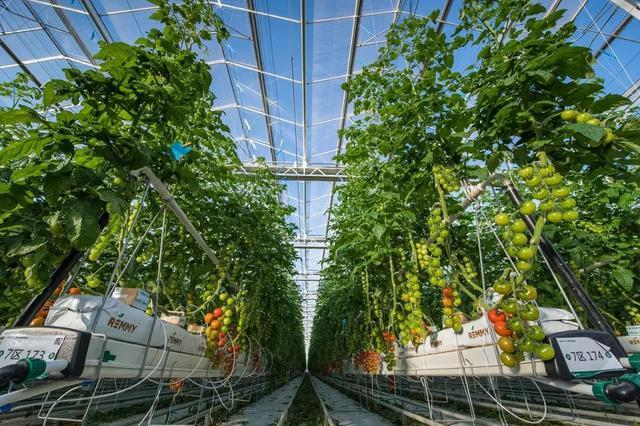
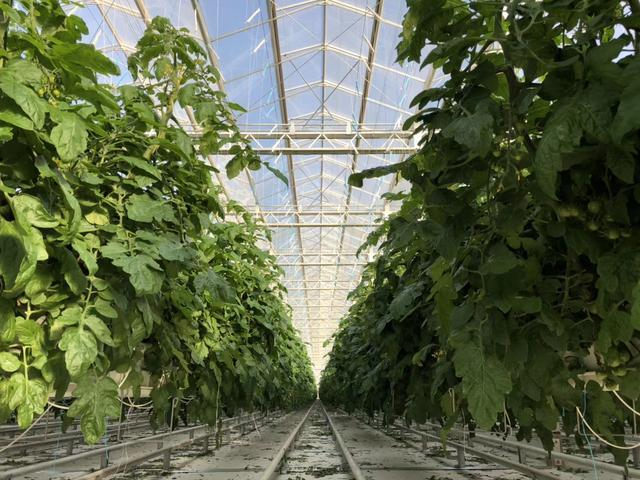
4. When the whole branch and pollinator grow to a certain height in the tomato plant, it is timely to place a rope in the root of the tomato plant, a head on the wire above the greenhouse, so that the plant grows upwards. Infinite-growth tomatoes use a single branch and a double branch should be used for the self-capped type. The whole branch should be in the middle of the sun to heal the wound. In general, four of the medium-sized tomatoes are left with the first fruit, five of the second and third fruit and three of the large fruit varieties, which guarantee the growth of the plant itself and the development of the upper fruit, while removing the abnormal fruit. Cherry tomatoes are available for each of them. During the summer, 2,4-d (concentration 15-16 mg/kg) can be taken from a curry pen to be painted on a flower in order to increase the seating rate。
Focusing on greenhouse horticulture information and modern agriculture。



