


Purpose: mastery of cultivation techniques for mushrooms
Methodology and steps
(i) cultivation season
Herb mushrooms are grown when temperatures are above 25°c and the relative humidity of the air is above 80%. In beijing and hebei, for example, temperatures are high in guangxi and fujian from late june to early august and suitable for mushroom growth. In guangdong, mushrooms are grown more seasonally than in other prefects, such as the pearl river delta, which started in late march and ended in early november, with an average temperature above 23°c, so that they can generally be produced continuously under natural conditions from 4 to october, but with a sprouts of spring mushrooms, summer mushrooms and fungus. In recent years, thanks to advances in cultivation technology, the temperature can be artificially regulated and produced even during the cold winter seasons, and the chronology of mushroom cultivation has been achieved。
(ii) nutrient formulation
There are plenty of culture suitable for the growth of mushrooms, which can be adapted to local conditions。
L. Plant formulations
(1) waste cotton culture
Waste cotton 96% and lime 4%。
(2) sugar cane dung culture
86% sugar cane dung, 9% wheat, 3% lime, 2% plaster
(3) straw culture
81% straw, 16% mud, 3% lime
(4) rice straw and cotton seed crumbs
48% straw, 48% cotton seed crumbs, 4% lime
(5) cotton seed crumb culture
Cotton seed crumbs of 71 per cent, dry cow dung of 9 per cent, straw powder of 11 per cent, wheat thorium of 7 per cent, phosphorus of 1 per cent and lime of 1 per cent。
(6) cotton crumb culture
• 75 per cent of cotton rinds, 15 per cent of fire dust, 8 per cent of wheat, 1 per cent of lime and 1 per cent of plaster。
2. Developmental treatment
There are two treatments for culture:
1 plastic membrane piles, which produce seed crumbs, straw or scrap cotton, need to be immersed in water, usually for a period of between 6 and 12h, and then leach, so as to mix and evenize the auxiliary material with a water content of 60 to 65 per cent. A stack is then constructed, which is 1. 2 m wide, 60 to 70 cm high, and is long, depending on the quantity of the material used, to cover the thin membrane temperature. After two to three days, heaps will be rolled up to 60°c, two to three days after heaping, heaps will rise to 60°c, which will be maintained for one day and can be dismantled the next day and ready for transport into the mushroom room。
Fermentation stacked back and forth, pre-fermented: rice straw cut into 5-l0 cm fractions, water immersed with increased coding, 60-70 per cent water content, stacked into wide mem, high mem and open-ended fermentation piles. After two to three days of fermentation, roll over to check dampity, pile up another one to two days, adjust the moisture and ph values, and then enter the man-planting room for indoor rear fermentation. Post-fermentation: when the pre-fermentation temperature is 40-50 °c, the manroom room is moved, the door and window are closed, and when the fermentation of the mushroom bed is gradually rising, it enters the steam or heat, increases the temperature to 60 °c to 2 % , and is then moderately ventilated, gradually cooling to about 50 °c for 1 to 2 days. When the temperature in the bed is reduced to 30 - 35°c, the seed is easily pressed and evened。
(iii) plantation sites
L. Indoor cultivation
Indoor cultivation requires mushroom houses, which are required to keep them warm and humid and to ventilate. The bed frame in the mushroom room is the same as the bed frame grown in mushrooms, usually four to five floors, the bed frame is 1. 2 m wide and the bed frame is 60 cm wide. Where possible, thermo-moisture automodifiers and ventilation systems can be installed in mushroom rooms。
The indoor cultivation of mushrooms allows them to control artificially the temperature, humidity, ventilation, light and nutritional conditions necessary for their growth and development, avoiding the effects of natural conditions such as low temperatures, droughts, wind and stormy rains, which can be cultivated throughout the year, with a market for the supply of mushrooms for four seasons a year, which can evolve in the direction of industrialization, specialization and automated production。
2. Outdoor cultivation
South china, with its relatively low temperature differentials and high temperatures, can grow in outdoor rice fields; in hebei, a cold bed (mode) can be planted with thin membranes. When the temperature is low at the beginning of the summer, the sun should be chosen for the quail, and when the summer temperature is high, the colder should be chosen。
However, outdoor mushroom cultivation, with the exception of south china, can only take place during the high-temperature summer fall festival. As a result of outdoor cultivation, the climate is more affected and yields are unstable. It is also difficult to grasp the complexity and complexity of the production techniques associated with the high volume of herb grown outdoors, the high cost of production and, in some cases, the occupation of arable land。
(iv) cultivation
(1) bed cultivation
Wave
The fermented culture is moved to the mushroom bed, which is arranged vertically in the direction of the mushroom bed, and is made into a small, wave-like, little fungus bed. It's 15 cm tall, between 5-7 cm. This method increases the area of mushrooms, is better ventilated, mycelium grows fast, leaves mushrooms early, and is fully organized. However, if poorly managed and sprayed, small central areas are often stained, affecting the growth of mycelium and mushrooms。
2. Tilt
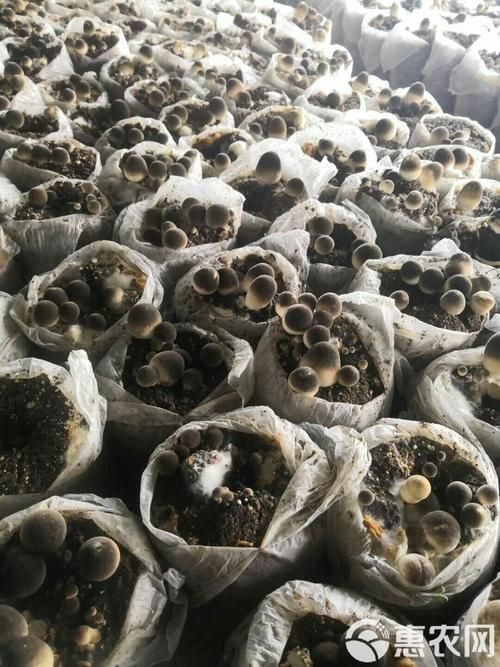
The fermented nutrients are moved to the mushroom beds and spread over the bed frame, with the remainder flat, except for a slight tortoise back. The thickness of nutrients varies according to temperature, such as 30°c, l0cm thick for cotton seed crumbs and l7cm thick for straw; 7cm thick for cotton seed crumbs and l3cm thick for rice straw when temperature rises to 33°c; and 13cm thick for cotton seed crums and 20 cm thick for rice straw when temperature drops to 25°c。
The plant can be sowed when the materials are ready in the bacterial bed, which can be sowed in caves or sowed with a vaccination rate of 4% - 6%. The fungs of mushrooms, which are within 15 days of being bottled, are alive, readily available for food and have higher yields。
(2) stacking
In general, it refers to the cultivation of straw-based culture in the field。
L. Selection
Cultivation is possible in drylands and water fields, which should have a loose sandy soil, which can protect fattening and air and contribute to the growth of mushrooms。
If the soil is too clayy or too sandy, a layer of sandy soil should be added. It should be produced five to seven days before the mushrooms are grown, and worms and other pests should be eliminated with insecticide. The field should be ploughed for four days, then ploughed for four days and then drained and dried. A dry or dry field can be dried up. It's about 1 00 to 120 cm wide, north and south, east and west, 20 to 33 cm tall, and has a tortoise, 50 to 60 cm apart。
2. Material
The straw demands no rot, gold and yellow. With moist and moldy straw, piles are low, heat periods are short and are susceptible to infection and low yields. Fresh straw is abundant in water and has low fever and must be fully exposed and dry before it can be used. Early, medium and late straw is available, with better medium straw. It takes 500 to 667 kg of straw to plant the l-ha grass mushrooms. Weed and seed use can be increased appropriately during the cold season。
3. Weeding
Scratch the straw, 0. 5-1kg each. 2. 5-5kg in a bundle, immersed in water 10-14h the day before the pile of grass, so that the straw is fully humid, and the early straw can be immersed for a shorter period. There are also initiatives to place straw in the water, with immersion on the side, to allow the straw to absorb water adequately and to reduce the immersion time until the straw becomes soft. Once the weed is finished, it's picked up and shipped to the plantation。
4. Step on the grass
(1) grass rolling
Weeds are cut in two pieces from the middle, and they are placed together on both sides of the larvae, and the grass is in the middle of the larvae, and they are set on both sides, one by one, and they are pressed on their feet. Plumb straw, i. E. Carbs, in the middle of the pile. An average stack of four layers, each surrounding the first layer, indents about 3 cm, and the fungus piles are laddered. After planting, the top layer of the fungus is covered with thin straw and strangulation。
(2) collapse
This is how long straws are used. Dry straws are made up, weighing around 0. 5 kg of frogs, and folded around a third of the grass. When stepping on the pile, put a piece of immersed straw on top of the plume. When you step on the second layer, the direction of the grasshead is pressed on the first grasstail, so that the layer is stacked。
(3) twist
The straw has been twitched to the “8” font, and it has been strutted on the platinum in order of course, with the grass and the tail coming in. The length of the weeds is 7-10 cm narrower than the length of the twilight. Once the first layer has been folded, it is common to step on it and pour water on it, so that the fungus can become hot. The second layer of grass shrinks from 7 to 10 cm internally and folds the same method as the first layer. Layers are stacked up to level 4. Once the pile is finished, you have to step on it once, and you have to shower until there's yellow water coming out on all sides。
When the pile is stepped, it is covered with thin membranes in order to keep warm and humid, which facilitates the growth and development of the fungus. Indoor cultivation, as temperatures are stable, can no longer be covered after 3-4 days. Soil cultivation must also be covered with film before the onset of the rainy season。
As a rule, pedals are staggered with seeding, and when the first layer of the pedestal is completed, a net seed of mushrooms is sowed in a range of 7 to 1 cm around the site, then the second layer is stepped on and the grass is just pressing the seed. The second and third layers of seeding are the same as the first level, with the fourth layer being fully planted。
5. Retrogression and earth cover
Retrogression is an auxiliary measure to which the piles were previously stomped poorly or lacked moisture. The top of the bacterium covers the soil, keeps it warm and wet and creates conditions for mushrooms. These two measures generally take place on the third day after stepping. If the stack is dry, the water should be re-stamped in order to fill the moisture, and the amount of water should be measured by the amount of yellow water flowing out of the fungus. Water-filled piles of grass are suitable only for the third day of construction, and late showers cause a sudden reduction in heat and are vulnerable to mybs and affect yields. If there is sufficient water in the pile, the straw will be pressed only once over and over again on the top of the pile, then the ground will be burned with fire or a more fertile garden will be covered with a layer of soil。
(v) cultivation management
(1) control of the temperature of fungi piles
The temperature in the fungus is changed from low to high and then from high to low. After stepping on the pile, the temperature in the stack rose gradually, reaching its maximum temperature four to six days later, and began to decline slowly after another one to two days. After six to seven days of general sowing, mushrooms appear. There is insufficient moisture in the fungs and dry straw, which can cause high temperatures and can be used to press on the fung piles and gonorrhea. Take it down. When the temperature is too high, weeds shall be lifted or removed completely, indoor ventilation shall be enhanced and holes shall be made in the piles with bamboo sticks, so as to ventilate. When the temperature drops to about 45°c, the holes are then plugged in with straw。
(2) water regulation
The membrane ventilated air after four days on foot. If the temperature is high and the bed is dry on the outside, water can be sprayed directly into the fungs, and subsequently one to two times a day, followed by thin film. If the climate is particularly dry, water will also be poured over the grass cover, often keeping the grass properly wet. When a white foundation appears on a pile, it is appropriate to spray it lightly and less, mainly to keep it wet. As the fungus grows, the spray increases. After each batch of mushrooms has been harvested, the piles should be stamped or pressured once, and both sides of the piles should be pressed to keep the temperature warm and wet in order to facilitate the mushrooms again。
(3) ventilation
Herbs and mushrooms are good aerobic fungus and should be ventilated, usually with windows open many times a day to remove indoor carbon dioxide and to increase fresh air, thus facilitating the formation of a breath。
(vi) collection
Outdoor mushrooms are seen from 6 to 10 days after planting, and mushrooms can begin to be picked from 11 to 15 days. The maturity of the commercial mushroom harvest is the transformation of the fungus from a wider base and a slightly sharp top pedagogy to an egg form, with the mass softened from hard to soft, the colour changed from deep to shallow and collected before the excretion had been breached, at which time the mushrooms tasted beautifully, with higher protein content and the highest quality. The screen will be broken, the contents will be of the second highest quality and the mushrooms will be of the lower quality. The mushrooms are growing rapidly, and sometimes they are fully umbrellaed overnight, so collection must be timely, preferably one at a time. Indoor cultivation of mushrooms is observed for 6-7 days and mushrooms for about 10 days. After the first wave of mushrooms was taken, the second wave of mushrooms appeared one to two days later, and about five to six days later they were collected. Each heap can collect mushrooms 4 to 5 times, with a harvest period of 30 to 40 days. Indoor mushrooms can produce 70-80 per cent of the total mushroom production。
The method used to collect mushrooms is to hold the culture around the mushroom body in one hand, to rotate around the mushroom body in the other hand, to remove it gently, and to remove it from the force so that it does not touch the wire, mess with the grass, and affect the subsequent mushrooms. In the case of dense mushrooms, they should be picked together for most of the time suitable for harvesting, in order to avoid large numbers of premature mushrooms dying as a result of the flipping of individual mushrooms。



