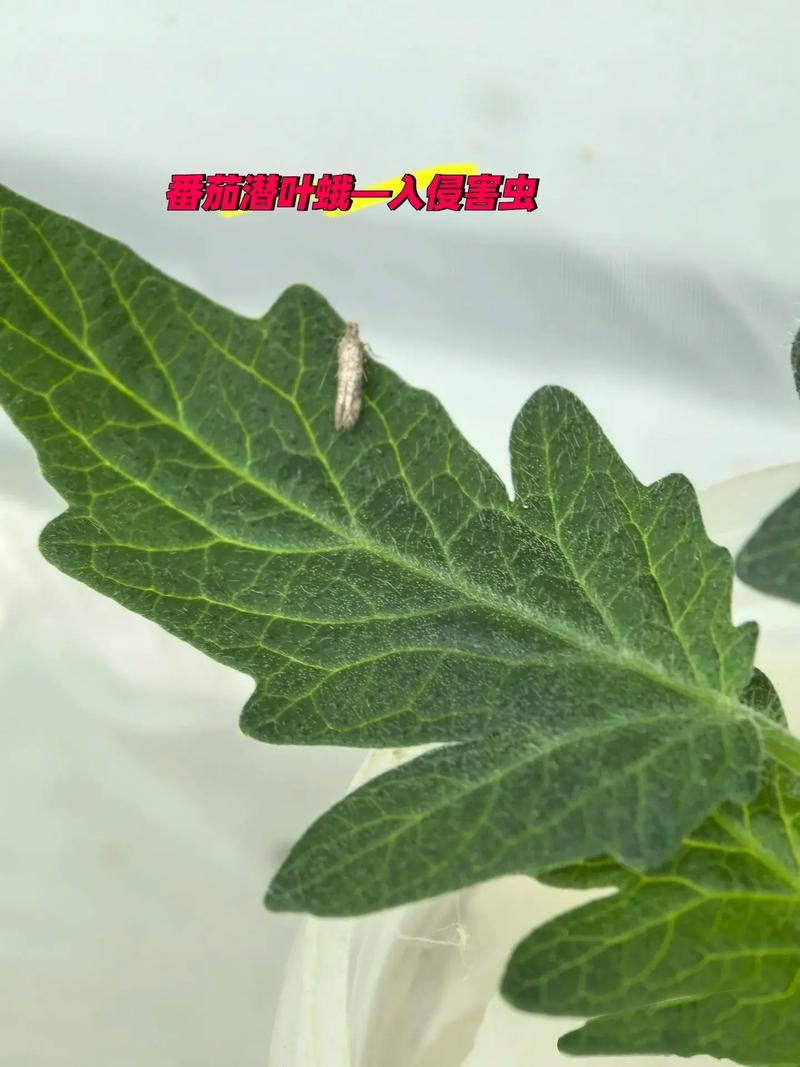
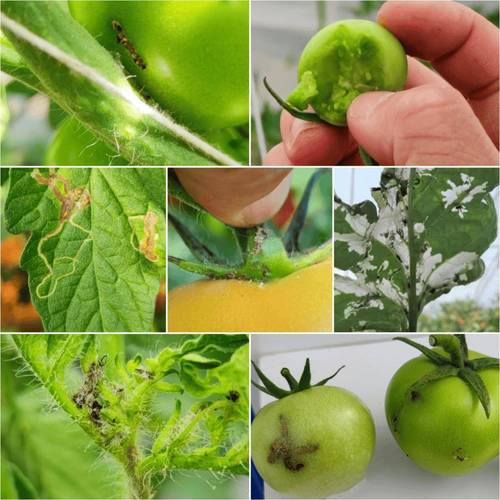
Tomato moths are mainly harmful to tomatoes and can also harm crops such as tomatoes, potatoes, human ginseng and tobacco. In 2024, it is expected that there will be an overall moderate occurrence, with the local re-emergence of tomato fields, with the protection of the land being more important than the spring, and the peak of harm between the flowering period and the ripening of the fruit. This programme is designed to guide local efforts to prevent and control tomatoes, improve the application of green technologies and ensure the safety and quality of vegetable production, such as tomatoes。
I. Control objectives
The prevention and disposal rate in tomato-growing areas is over 90 per cent, the overall control effect is over 80 per cent and the hazard loss rate is within 10 per cent。
Ii. Control strategy
In line with the prevention strategies of source control, zonal governance, green control, enhanced sexual induction monitoring, implementation of non-chemical control measures such as cleaner production, priority use of technologies such as insecticide-proof nets, natural enemy release, biopesticide spraying, and timely use of efficient, low-toxic, low-residency agents to reduce the risk of outbreak。
Priority regions
Monitoring and control areas focusing on xinjiang, yunnan, guizhou, sichuan, chongqing, hunan, guangxi, xuanxi, inner mongolia, liaoning, gansu, ningxia, qinghai, shanxi, hebei, shandong, tianjin, beijing (districts, municipalities) are being strengthened in other provinces (districts, municipalities) where they did not occur。
Iv. Control measures
(i) enhanced monitoring
1. Monitoring crops
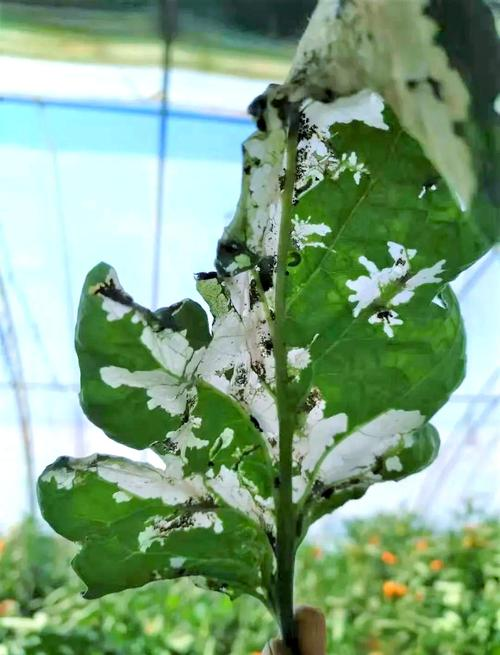
Focused on tomatoes, it combines the surrounding eggplants, potatoes, human ginseng, tobacco, platinum, etc. Weed dragon sunflower is a key indicator of the harm caused by tomato leaf moths。
Monitoring time
Tomato-breeding bases, from seeding to the end of the gestation period; planting fields, from the planting of tomatoes to the end of the stretch。
Monitoring methodology
(b) in the field tomatoes: 3 triangles or wings of sticky traps per field. Three traps were placed in a triangle with a distance of approximately 50 metres and a distance of more than 5 metres from the field; during the stubble period, the trap was placed on a field that was easy to operate, approximately 1 metre from the field, and the trap was arranged in straight line and approximately 50 metres from the field。
Protection of tomatoes: 2 traps in each shed. The shoals, which are close to the entrance and one each in the centre back, are trapped at a distance of more than 1 metre from the field, and the traps are placed on the field in the vicinity of the corridor, approximately 1 metre from the edge。
The traps are 10-20 cm from the ground, record a moth load every three days, replace viscous panels in a timely manner, replace sexual cores in a timely manner every 30 days, or replace induction cores in a timely manner, based on instructions of use. Areas with conditions can be monitored using smart bug monitoring equipment。
(ii) interventions
1. Agriculture
(1) a reasonable reversal. Water and drought rotations with non-cheese plants or with rice, etc。
(2) selection of clean, insect-free seedlings. Not to purchase and transport tomato seedlings from the tomato infestation areas; to centralize seedlings in sheds or nets。
(3) clean fields. The removal of the remnant of the eggplant crop and weeds and the elimination of the host of the bridge; the hand-loading of the whole fork and the fall of the leaves of the flower-sorting branch, etc., for centralized destruction; the spraying of the remnant before the faller, and the removal of the remnant, as well as the addition of composted fermentants, are on the floor。
(4) frozen cryogenic/high-temperature shacks. In winter, cryogenic sheds (at least 30 days) and in summer high-temperature shacks reduce the insect base。
Physical control
(1) interdiction of anti-worm nets. A 60-storey wormnet double-storey curtain is installed in the nursery and at the entrance to the production shed, and an anti-worm net is installed in the vent to effectively prevent the entry of the tomato leaf moths into the shed。
(2) light booby-trapped. During the time of the infestation, insecticidal lamps were installed in the cropping fields, one per 5-10 acre in the field, one per shed in the protected area, with a light source of 0. 5-1. 0 m above the ground, and a suitable amount of water of 0. 2 per cent of the detergent。
Conformity interference or sexual trapping
(1) obsessed interference with mating. Before the tomato seedlings are planted, a filamentary silk or routing tube (60 per acre) or an intelligent spray-type mating interference releaseer (one set per 3-5 acre) is placed in the field and is suitable for use in a series of pieces, which are ploughed into the outer interior at altitudes of 10-20 cm above the ground。
(2) stimulation. Set up a sex trap in the growing field. The field tomato is used as a triangle or wing sticky trap, with 8-10 traps per acre and 10-20 cm from the ground at the bottom of the trap; and the protected field tomato is also used as a blue sticker, blue or red basin (or barrel) trap, which is placed directly on the ground。
Biological control
(1) use of natural predators. Cultivation of natural enemies in honey-producing plants, such as pomegranates, sesame, wheat and bitter wheat, by the edge of the field or by ditches; avoidance of the use of wide spectrum insecticides; promotion of tablets and precision。
(2) release of natural insect insects. Insect detection in the field can release predatory predators such as necrobatic or small flowers, smoke blind, etc。
5. Scientific medicine
5-8 days after a sudden increase in the number of adult insects should be monitored in the field (3-5 times more than the previous day), or larvae and eggs should be sprayed at first sight. It is proposed to spray it every 7 to 10 days in the afternoon (after sunset) on non-rainy days, so that it will be ploughed, sprayed, especially on the front and back of the upper middle leaf. Options for pesticides include bacillus g033a, plasma plasma and equidoxin. In addition, on the basis of pilot demonstrations, effective pesticides registered on tomatoes, such as avimectin, mechamyl-avicin phenate, tetramethlamide, fluorophenylamide and fentanone, are selected. Be careful to rotate medications and strictly enforce safe intervals for their use。